Introduction to Right Angle Opposed Mode Sensors
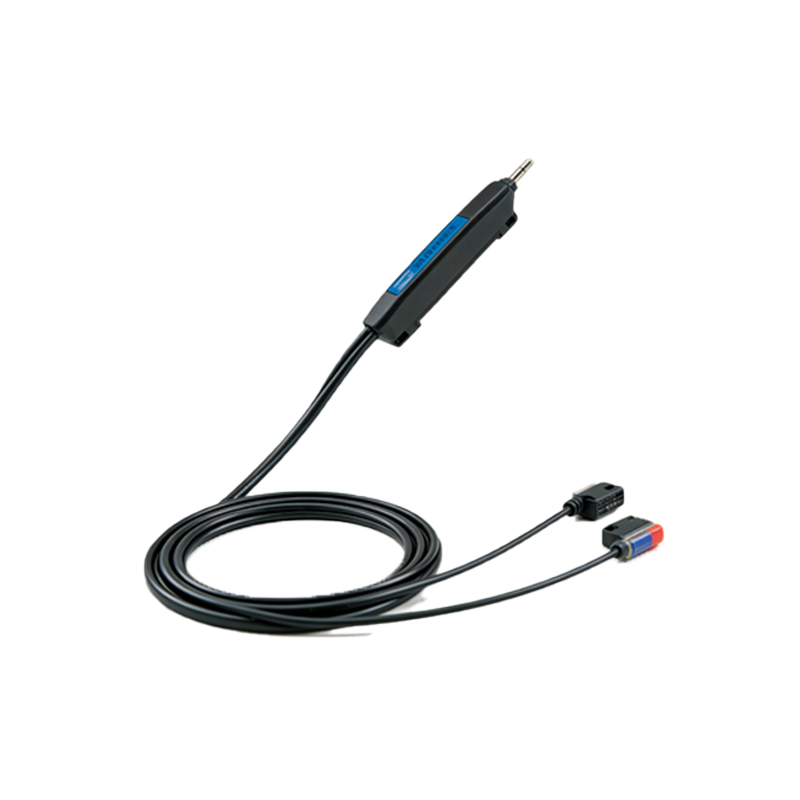
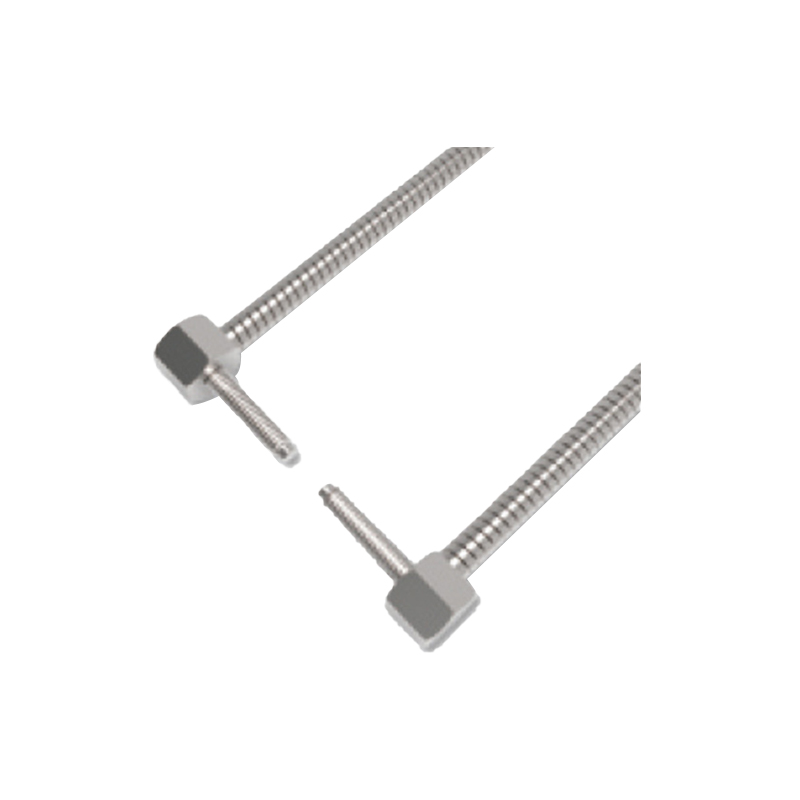
Right angle opposed mode photoelectric sensors, also known as retro-reflective sensors with a 90-degree beam path, are critical components in modern industrial automation systems. Unlike standard through-beam sensors, these devices utilize a compact design where the emitter and receiver are housed in a single unit, and the light beam is directed at a 90-degree angle via a built-in mirror. This configuration allows for easy installation in tight spaces, such as conveyor systems, packaging lines, and robotic workcells. The sensor operates by emitting a modulated infrared or visible light beam, which is reflected back to the receiver by a separate reflector. When an object interrupts the beam, the output signal triggers a response, enabling precise detection of moving or stationary items.
Key Technical Specifications
For reliable performance in harsh industrial environments, engineers should consider several critical parameters. The sensing distance typically ranges from 0.5 to 15 meters, depending on the model and reflector quality. Response time is crucial for high-speed applications, with fast models achieving 0.5 milliseconds or less. The sensors operate on DC voltages from 10 to 30V, with NPN or PNP open-collector outputs. Most units feature IP67 or IP69K protection ratings, ensuring resistance to dust, water, and washdown processes. Additionally, ambient light immunity is enhanced through modulated carrier frequencies, preventing false triggers from sunlight or artificial lighting.
Installation Best Practices
Proper alignment is essential for optimal performance. The sensor and reflector must be mounted on a stable surface to avoid vibration-induced misalignment. For right angle models, ensure the beam path is unobstructed within the specified angle tolerance, typically ±5 degrees. Use metal brackets with corrosion-resistant coatings for long-term durability. Cable routing should avoid high-voltage lines to prevent electromagnetic interference. During installation, verify the sensing range by testing with actual target objects, such as opaque materials like metal or plastic components. For transparent objects, select sensors with polarized filters to reduce reflection issues.
Common Applications in Industry
Right angle opposed mode sensors excel in material handling systems. In conveyor lines, they detect package position, count items, or trigger diverters. The 90-degree design allows mounting on narrow frames without protruding into the path. In automotive assembly, they monitor part presence in welding stations or confirm tool position. Food and beverage packaging plants use them to verify bottle caps or label placement, benefiting from their washdown-capable housings. Furthermore, these sensors are ideal for elevator door safety systems, where the compact form factor fits into tight door frames.
Troubleshooting and Maintenance Tips
Regular maintenance ensures long sensor life. Check reflector cleanliness weekly, as dirt or grease reduces sensitivity. If intermittent triggering occurs, inspect alignment and tighten mounting screws. For electrical issues, verify power supply voltage stability and check for loose connections in junction boxes. Use a multimeter to test output signals under load. In cases of ambient light interference, adjust sensor sensitivity or install a sun shield. When replacing sensors, match electrical specifications exactly to avoid system downtime. Document all adjustments in a maintenance log for future reference.
Conclusion: Optimizing System Reliability
Integrating right angle opposed mode photoelectric sensors into automation systems enhances detection accuracy and space efficiency. By understanding their operational principles, selecting appropriate specifications, and following installation guidelines, engineers can significantly improve production line uptime. These sensors provide a cost-effective solution for reliable object detection in diverse industrial environments, from clean factory floors to harsh outdoor settings. Continuous monitoring and periodic calibration will ensure sustained performance over years of service.