Introduction to Photoelectric Sensors in Modern Industry
In the realm of industrial automation and control systems, photoelectric sensors play a critical role in detecting objects, measuring distances, and ensuring precise operation. These sensors use light beams to sense presence, absence, or position, making them indispensable in manufacturing, packaging, and logistics. Choosing the right brand is essential for reliability, accuracy, and longevity. This article evaluates leading photoelectric sensor brands based on technical performance, durability, and market reputation, providing insights for engineers and procurement specialists.
Key Performance Metrics for Photoelectric Sensors
Before diving into brand comparisons, it is vital to understand core performance metrics. Sensing range, response time, ambient light immunity, and environmental protection ratings (like IP67) are crucial. A top-tier brand should offer sensors with consistent detection under dusty, wet, or high-vibration conditions. Additionally, ease of integration with PLCs and fieldbus protocols (such as IO-Link) enhances system efficiency. These factors form the baseline for assessing brand value in industrial settings.
Brand 1: SICK AG - Precision and Innovation
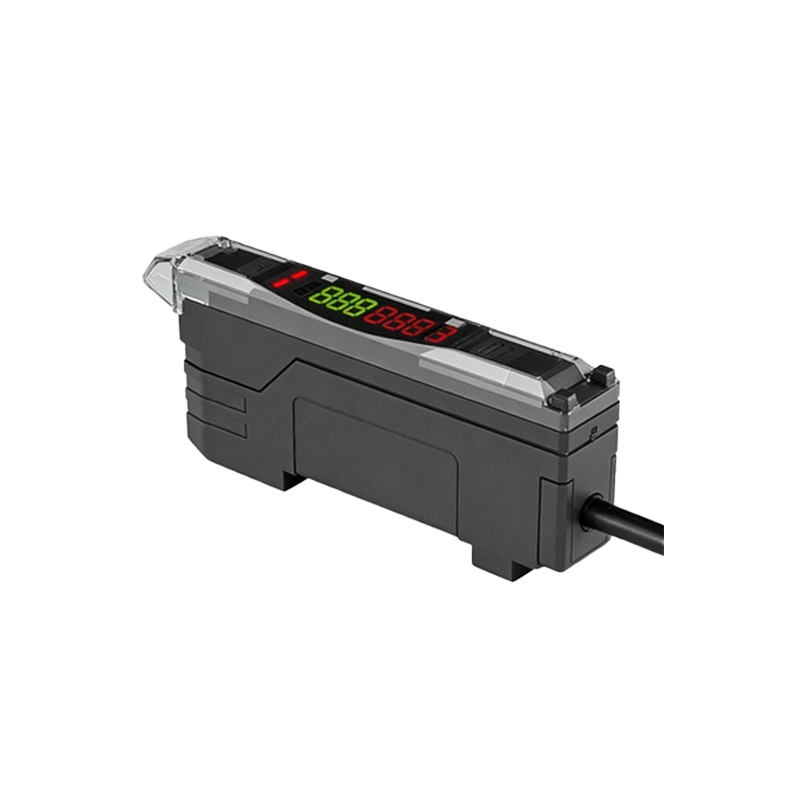
SICK AG, a German-based company, stands out for its robust photoelectric sensor portfolio. Their WL series and V18 models are renowned for long-range detection and background suppression. SICK sensors often feature advanced optics, such as laser technology for sub-millimeter accuracy, and smart algorithms to filter out interference from stray light. With IP69K ratings available, they excel in harsh washdown environments like food processing. Engineers praise SICK for its comprehensive technical documentation and responsive support, making it a top choice for critical applications.
Brand 2: Banner Engineering - Versatility and Durability
Banner Engineering, a US-based leader, focuses on flexible and rugged sensing solutions. Their QS18 and S18 series offer self-diagnostic capabilities and visible red beams for easy alignment. Banner excels in producing sensors with adaptive gain control, which maintains performance despite lens contamination. Their models often include IO-Link compatibility, allowing real-time data exchange for predictive maintenance. In heavy industrial settings, Banner sensors demonstrate exceptional resistance to shock and vibration, ensuring long service life.
Brand 3: Omron Corporation - Integration and Efficiency
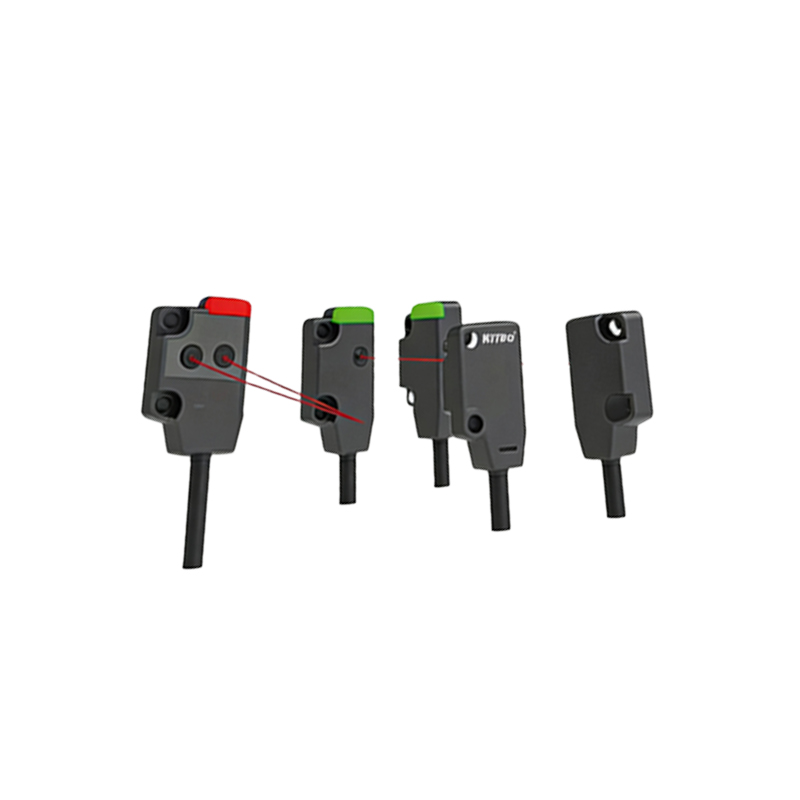
Omron, a Japanese multinational, integrates photoelectric sensors seamlessly into its automation ecosystem. The E3Z and E3S-CL series are compact yet powerful, with built-in amplifiers for simplified wiring. Omron emphasizes energy efficiency, with many models consuming less than 10 mA. Their sensors feature advanced mutual interference prevention, enabling dense installations in conveyor systems. Omron's global service network and extensive training resources make them a reliable partner for multinational projects.
Brand 4: Keyence Corporation - Cutting-Edge Technology
Keyence, also from Japan, is synonymous with innovation in photoelectric sensors. Their LR-Z series uses hybrid technology combining laser and CMOS imaging for unparalleled detection accuracy, even on transparent or shiny objects. Keyence sensors often include digital displays for real-time distance readouts and parameter adjustments. While priced at a premium, their high-speed response (as fast as 50 microseconds) and ability to perform multiple tasks, such as color and contrast sensing, justify the investment for high-precision tasks.
Brand 5: Pepperl+Fuchs - Explosion-Proof and Hazardous Area Solutions
For industries like oil and gas or chemical processing, Pepperl+Fuchs (Germany) leads in explosion-proof photoelectric sensors. Their ML series and OBT models are ATEX and IECEx certified, with rugged housings that withstand corrosive gases. These sensors offer fail-safe design and self-monitoring features, crucial for safety-critical systems. Pepperl+Fuchs also provides extensive expertise in intrinsic safety barriers, ensuring compliance with strict international standards.
Selecting the Right Brand for Your Application
Choosing a photoelectric sensor brand depends on specific application needs. For high-precision tasks, Keyence or SICK are ideal. For versatility and durability, Banner Engineering offers cost-effective solutions. In hazardous environments, Pepperl+Fuchs is unmatched. Omron provides excellent integration within a broad automation platform. Engineers should evaluate sensor specifications against operational conditions, including temperature range, light conditions, and target material. Testing sample units in the actual environment is recommended before full deployment.
Conclusion: Reliability Through Proven Brands
In summary, top photoelectric sensor brands like SICK, Banner, Omron, Keyence, and Pepperl+Fuchs deliver exceptional performance through advanced engineering and rigorous testing. Their sensors enhance productivity, reduce downtime, and improve safety in industrial processes. By investing in these proven brands, engineers can ensure long-term operational excellence. Always consult technical datasheets and vendor support to select the sensor that aligns with your automation goals.