The Rise of Epco in Sensor Technology
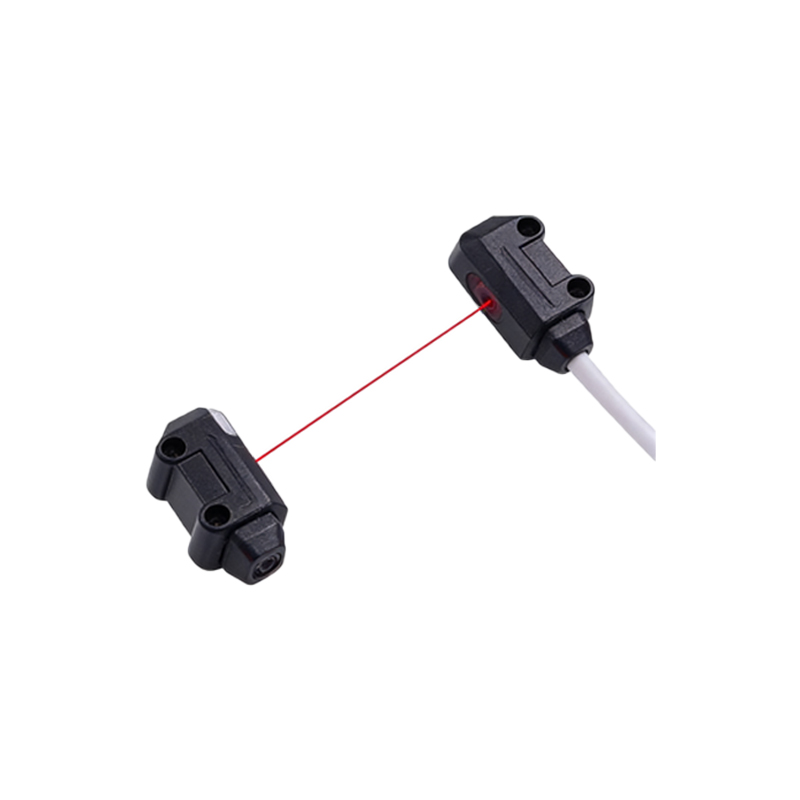
Epco, a prominent player in the photoelectric sensor market, has carved a niche by focusing on reliability and precision. Founded on principles of advanced optical engineering, the company has evolved from basic through-beam sensors to sophisticated diffuse and retro-reflective models. Their journey mirrors the broader shift in industrial automation, where sensors are no longer mere switches but intelligent components capable of differentiating colors, detecting transparent objects, and operating in harsh environments. Epco's early adoption of modulated infrared light reduced false triggers, setting a standard for noise immunity in factories.
Key Technological Advancements
Recent innovations include Epco's use of high-speed CMOS imaging sensors, which enable sub-millisecond response times for fast-moving conveyor systems. Their patented background suppression technology eliminates interference from shiny or dark backgrounds, critical in automotive assembly lines. Additionally, the integration of IO-Link communication has allowed real-time diagnostics and parameter adjustments, reducing downtime. For example, the EXL series now offers 10-meter sensing range with a 0.1 mm repeatability, outperforming many competitors in high-vibration environments.
Application-Specific Solutions
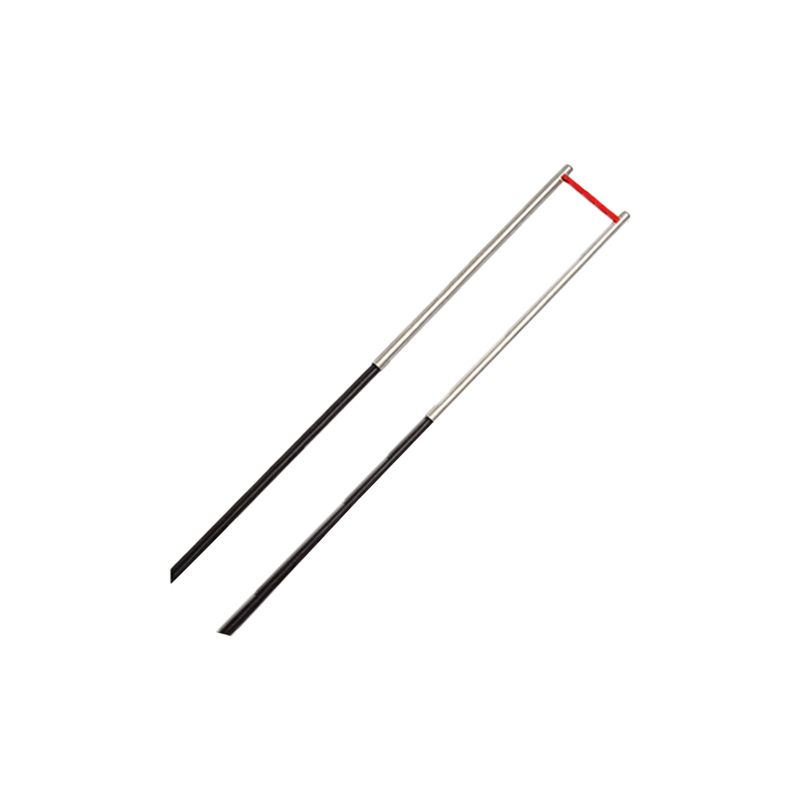
Epco has tailored sensors for niche industries. In food packaging, their IP69K-rated units withstand high-pressure washdowns while detecting clear film presence. For logistics, the DT series uses time-of-flight measurement to sort parcels of varying heights at speeds up to 50 meters per second. In semiconductor fabrication, Epco's fiber optic amplifiers achieve micron-level precision for wafer alignment, a critical step in chip manufacturing. These applications demonstrate how Epco adapts core technology to solve specific industrial pain points.
Challenges and Market Adaptation
Despite successes, Epco faced hurdles with miniaturization and cost pressures. The shift to Industry 4.0 required sensors to be smaller yet more powerful. Epco responded with the Nano-Series, a 10mm cube sensor offering 5mm detection in confined spaces. Another challenge was cross-talk interference in dense sensor arrays; Epco's frequency-hopping firmware now enables multiple units to operate within 10cm of each other without false signals. These adaptations have kept Epco competitive against giants like SICK and Omron.
Future Outlook and Sustainability
Looking ahead, Epco is investing in smart sensors with edge computing capabilities, allowing local data processing to reduce reliance on central controllers. Their roadmap includes energy-harvesting models that use ambient light to power low-drain operations, aligning with green manufacturing trends. Additionally, Epco aims to expand in the electric vehicle battery production sector, where precision detection of electrode materials is paramount. As automation grows more complex, Epco's photoelectric sensors will likely become even more integral to factory floors worldwide.