Introduction to Shenyue Photoelectric Sensors
Shenyue photoelectric sensors are engineered to deliver reliable performance in demanding industrial environments. These sensors utilize advanced optical technologies to detect the presence, absence, or distance of objects without physical contact. Designed for precision, they are widely adopted in manufacturing lines, packaging systems, and automation processes. Their robust construction ensures long service life even under exposure to dust, vibration, and temperature fluctuations.
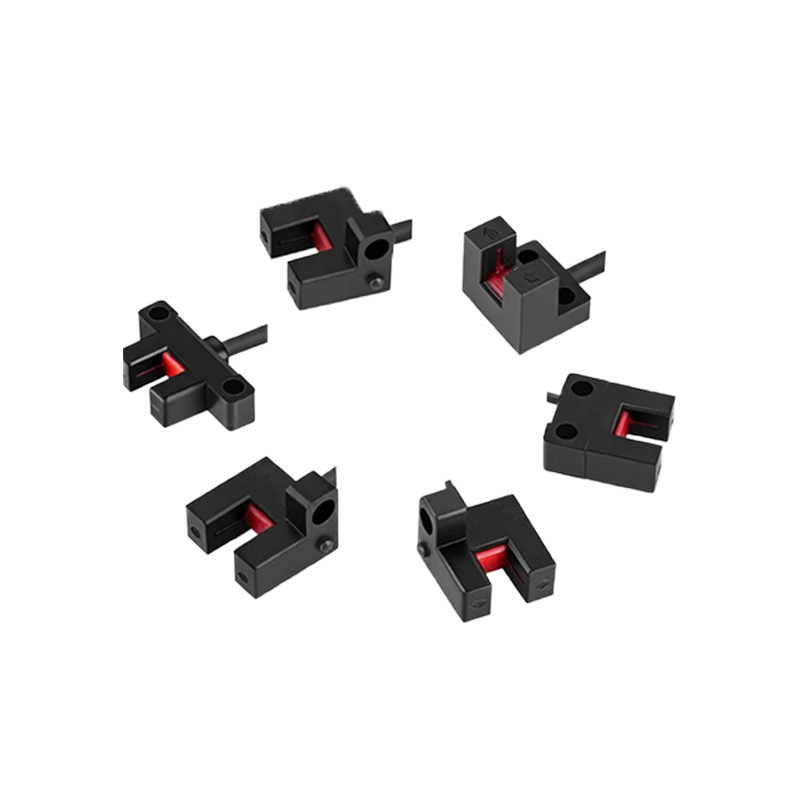
Operating Principles and Key Technologies
Shenyue photoelectric sensors operate based on three main detection modes: through-beam, retro-reflective, and diffuse-reflective. In through-beam mode, the transmitter and receiver are separate, offering the longest detection range and highest immunity to contamination. Retro-reflective sensors use a reflector to bounce the beam back to the receiver, simplifying installation. Diffuse-reflective sensors detect objects by the light reflected directly from the target surface, ideal for short-range applications. All models feature modulated infrared or visible red light sources to minimize interference from ambient light.
Performance Specifications and Environmental Resilience
These sensors boast high switching frequencies up to 1 kHz, ensuring rapid response in high-speed production lines. They support a wide operating voltage range (10-30 VDC) and provide digital outputs such as NPN, PNP, and push-pull configurations. With IP67-rated housings, they are protected against dust and temporary water immersion. Additionally, Shenyue sensors incorporate temperature compensation circuits for stable operation from -25°C to +55°C, making them suitable for outdoor and cold-storage applications.
Application Examples in Industrial Settings
In automotive assembly, Shenyue sensors monitor part presence on conveyor belts, triggering robotic arms for precise pick-and-place operations. In food packaging, they detect transparent film or glass bottles without false triggers, thanks to specialized lens coatings. Warehouse logistics rely on these sensors for automated guided vehicle (AGV) navigation and shelf inventory verification. Their ability to detect targets at distances up to 20 meters in through-beam mode enables efficient material handling in large facilities.
Installation, Calibration, and Maintenance Best Practices
Proper alignment is critical for optimal performance. For through-beam sensors, ensure the transmitter and receiver are perfectly aligned using the built-in LED indicator. Retro-reflective models require a clean reflector surface to avoid signal loss. Diffuse sensors should be mounted at a 10-15 degree angle to the target to reduce false readings from shiny backgrounds. Routine cleaning of optical lenses with a soft cloth and isopropyl alcohol prevents accumulation of dust or oil. Calibration can be performed via the sensitivity potentiometer or teach-in button, depending on the model.
Comparative Advantages Over Competitor Products
Compared to similar sensors from brands like Banner or Omron, Shenyue units offer a cost-effective solution without compromising on detection accuracy. Their compact housing allows for space-saving installation in tight machinery. Moreover, they provide a wider selection of connector types (M8, M12, and cable versions) to match existing wiring architectures. The built-in short-circuit and reverse polarity protection further reduce downtime risks.
Future Trends and Integration with Industry 4.0
Shenyue is actively developing IO-Link compatible sensors for real-time diagnostics and parameter adjustment via industrial networks. This integration allows predictive maintenance by monitoring signal strength and temperature trends. As smart factories evolve, these sensors will support seamless data exchange with PLCs and edge computing devices, enabling adaptive production lines that self-optimize based on real-time feedback.