What is UL Certification and Why Does It Matter?
UL (Underwriters Laboratories) certification is a globally recognized safety standard for electrical and electronic devices. For photoelectric sensors, which are critical in automation, packaging, and material handling, UL certification ensures compliance with rigorous safety and performance requirements. This certification verifies that the sensor can withstand electrical hazards, fire risks, and environmental stresses such as moisture, vibration, and temperature fluctuations. In industrial settings, using UL-listed sensors is often mandatory for meeting insurance requirements and local electrical codes, especially in North America. Engineers and plant managers prioritize UL-certified photoelectric sensors to avoid production downtime, liability issues, and safety violations.
Key Safety Parameters Evaluated in UL Testing for Photoelectric Sensors
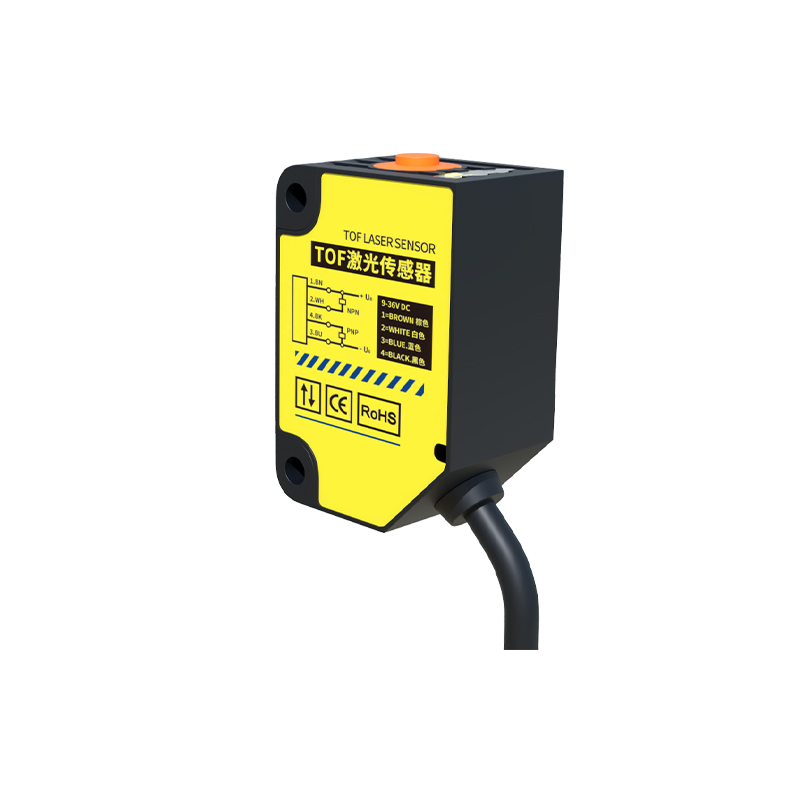
The UL certification process for photoelectric sensors involves a series of rigorous tests. These include electrical insulation testing to prevent short circuits, dielectric voltage withstand tests, and thermal endurance assessments. For example, sensors are subjected to overvoltage conditions to ensure they do not arc or catch fire. Additionally, enclosure integrity is tested against ingress of dust and water, meeting IP ratings like IP67. The testing also covers the sensor’s response time and alignment sensitivity, ensuring reliable operation in harsh industrial environments. A UL mark on a photoelectric sensor indicates it has passed these comprehensive evaluations, providing confidence in both safety and functional reliability.
How UL Certification Enhances System Reliability and Compliance
Incorporating UL-certified photoelectric sensors into your control systems streamlines compliance with OSHA (Occupational Safety and Health Administration) and NFPA (National Fire Protection Association) standards. This is particularly important in hazardous locations where flammable dust or gases may be present. For instance, a UL-listed thru-beam sensor used in a conveyor system can prevent accidental ignition while maintaining precise object detection. Furthermore, UL certification reduces engineering rework by ensuring that sensors meet predefined safety margins. Many large automotive and food processing plants mandate UL components to simplify inspections and audits.
Selecting the Right UL-Certified Photoelectric Sensor for Your Application
When choosing a photoelectric sensor, look for UL marks indicating the specific safety category, such as UL 508 (Industrial Control Equipment) or UL 61010-1 (Measurement, Control, and Laboratory Use). For outdoor or washdown applications, UL listing for NEMA 4X or IP69K enclosures is essential. Consider the sensing mode—diffuse, retro-reflective, or through-beam—and verify that the UL certification covers the selected variant. Always consult the manufacturer’s UL file number to confirm the certification’s active status. Leading brands like Banner, SICK, and Omron offer extensive UL-certified portfolios, ensuring compatibility with global safety requirements.
Industry Trends: Growing Demand for UL-Certified Sensors in Smart Factories
As Industry 4.0 and IIoT (Industrial Internet of Things) expand, the demand for UL-certified photoelectric sensors with IO-Link communication is rising. These sensors not only provide safety but also enable predictive maintenance and real-time diagnostics. UL certification now often includes cybersecurity evaluations for connected devices, addressing vulnerabilities in networked industrial systems. By choosing UL-certified components, engineers future-proof their installations against evolving safety standards and digitalization requirements.