Introduction to Inductive Metal Photoelectric Sensors
Inductive metal photoelectric sensors are specialized devices designed to detect the presence of metallic objects without physical contact. Unlike standard photoelectric sensors that rely on light reflection or interruption, these sensors combine inductive sensing principles with optical technologies to enhance detection accuracy in harsh industrial environments. They are widely used in automation, manufacturing, and process control systems where metal parts must be reliably identified.
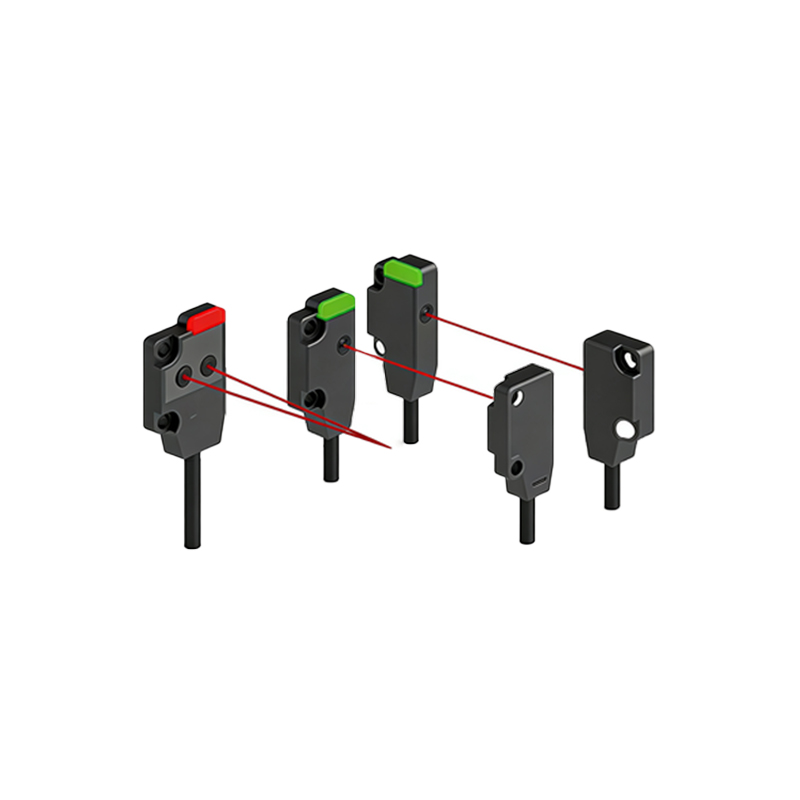
How Inductive Metal Photoelectric Sensors Work
These sensors operate by generating a high-frequency electromagnetic field from a coil within the sensor head. When a metal object enters this field, eddy currents are induced in the metal, causing a change in the field’s impedance. This change is detected by the sensor’s internal circuitry and converted into a digital output signal. The photoelectric component, often an LED and photodiode pair, is used to refine detection by measuring light absorption or reflection from the metal surface, improving performance in dusty or oily conditions.
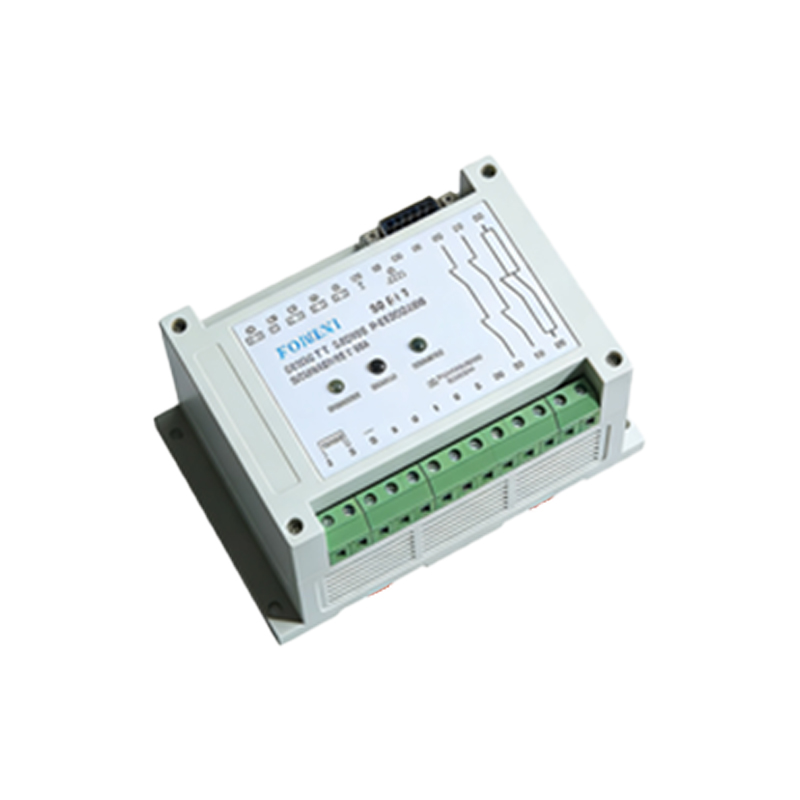
Key Features and Benefits
Inductive metal photoelectric sensors offer several advantages: they are immune to non-metallic interference, resistant to vibration and shock, and can operate at high speeds. They also provide long sensing ranges, typically up to several centimeters, and are unaffected by ambient light or surface color. Their rugged construction makes them ideal for high-temperature environments, such as near welding equipment or casting machines.
Common Applications in Industry
These sensors are essential in metalworking, automotive assembly, and packaging lines. For example, they detect metal parts on conveyor belts, monitor tool positions in CNC machines, and ensure proper alignment of metal enclosures in electronics manufacturing. They are also used in safety systems to prevent collisions in robotic cells.
Selecting the Right Sensor for Your Application
When choosing an inductive metal photoelectric sensor, consider factors like target metal type (ferrous vs. non-ferrous), sensing distance, output type (NPN or PNP), and environmental conditions. Shielded sensors are better for flush mounting, while unshielded ones offer longer ranges. Verify the sensor’s operating frequency and response time to match your system’s speed requirements.
Installation and Maintenance Tips
Proper installation is critical: mount the sensor with the active face parallel to the target surface, and maintain a gap free from metal debris. Regularly clean the sensor face to prevent buildup of metal dust or oil. For harsh environments, use sensors with IP67 or higher ratings. Test the sensor’s output with a metal reference target monthly to ensure consistent performance.
Future Trends in Inductive Metal Photoelectric Technology
Recent advancements include integrated IO-Link communication for real-time diagnostics, miniaturized designs for space-constrained setups, and smart sensors with self-calibration capabilities. These innovations enhance predictive maintenance and reduce downtime in Industry 4.0 applications.