Understanding the Basics of Photoelectric Sensors
In industrial automation, photoelectric sensors are essential components for detecting objects, distances, and positions without physical contact. A common question arises: how many photoelectric sensors are there in a pair? The answer is straightforward: a typical pair consists of two units—a transmitter and a receiver. The transmitter emits a beam of light (often infrared or visible light), and the receiver detects the beam. This configuration is the foundation for many sensing applications, such as counting, positioning, and safety monitoring. Engineers must ensure that the pair is matched in terms of wavelength, range, and response time to guarantee reliable operation in harsh environments like those found in manufacturing plants.
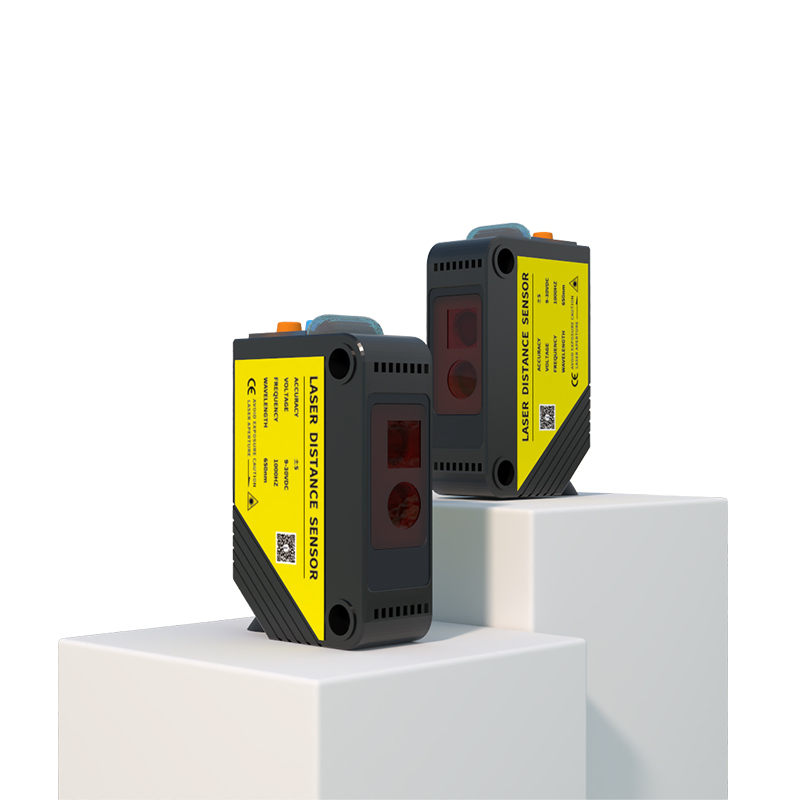
Types of Photoelectric Sensor Pairs
There are several types of photoelectric sensor pairs, each designed for specific tasks. The through-beam pair is the most common, where the transmitter and receiver are mounted opposite each other. This setup provides high accuracy and long detection distances, up to 100 meters. Another type is the retro-reflective pair, which uses a reflector instead of a separate receiver. Here, the sensor emits a beam that bounces back to the same unit when reflected. This is ideal for detecting transparent or shiny objects. For limited space, the diffuse reflective pair combines both functions in one housing, but it requires a single unit rather than a separate pair. When selecting a pair, consider factors like ambient light interference, environmental dust, and target material.
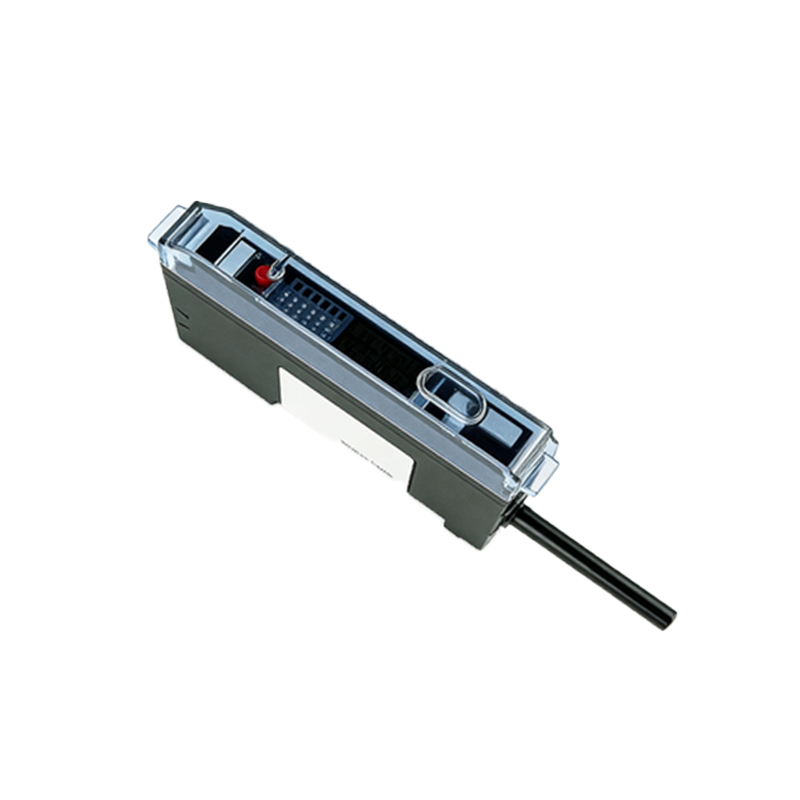
Installation and Calibration Best Practices
Proper installation of a photoelectric sensor pair is critical for optimal performance. First, align the transmitter and receiver precisely, ensuring the beam path is free from obstructions. Use mounting brackets that allow for fine adjustments in both horizontal and vertical axes. Calibration involves setting the sensitivity threshold to avoid false triggers from stray light or vibrations. For through-beam pairs, test the beam interruption with a standard target at the specified distance. In retro-reflective setups, clean the reflector regularly to maintain reflectivity. Always follow the manufacturer's datasheet for electrical connections, such as DC supply voltage (typically 10-30 VDC) and output type (e.g., NPN or PNP). A poorly aligned pair can lead to downtime, so invest time in initial setup.
Common Applications in Industry
Photoelectric sensor pairs are widely used in conveyor systems, packaging machinery, and automated assembly lines. For example, a through-beam pair can detect small parts moving on a fast belt, triggering a counter or diverting mechanism. In material handling, retro-reflective sensors monitor pallet positions in warehouses. They also serve in safety applications, like guarding dangerous machine zones. The pair's ability to operate at high speeds (up to several thousand operations per second) makes them suitable for precision tasks. However, avoid using them in environments with heavy steam or fog, as the beam may scatter. In such cases, consider laser-based photoelectric sensors for better penetration.
Troubleshooting and Maintenance Tips
When a photoelectric sensor pair fails, first check the power supply and wiring integrity. Common issues include misalignment due to vibration, dirt on the lens, or interference from nearby electromagnetic sources. Use a test tool like a laser pointer to verify the beam path. For through-beam pairs, replace the transmitter or receiver individually if one is faulty, but ensure they are from the same series to maintain compatibility. Regularly clean the optical surfaces with a soft cloth and isopropyl alcohol. Also, monitor the response time—if it slows, the sensor might be aging. Keeping spare pairs in inventory is a wise practice to minimize production halts. Always document the installation parameters for future reference.