Introduction to FOSI Photoelectric Sensors
As a professional in the electrical engineering industry, I frequently encounter inquiries about the pricing of FOSI photoelectric sensors. These sensors are integral to automation systems, offering reliable object detection and distance measurement. The cost of FOSI sensors varies significantly based on technical specifications, application requirements, and market factors. Understanding these variables is crucial for engineers and procurement specialists to make informed purchasing decisions.
Core Technology and Build Quality
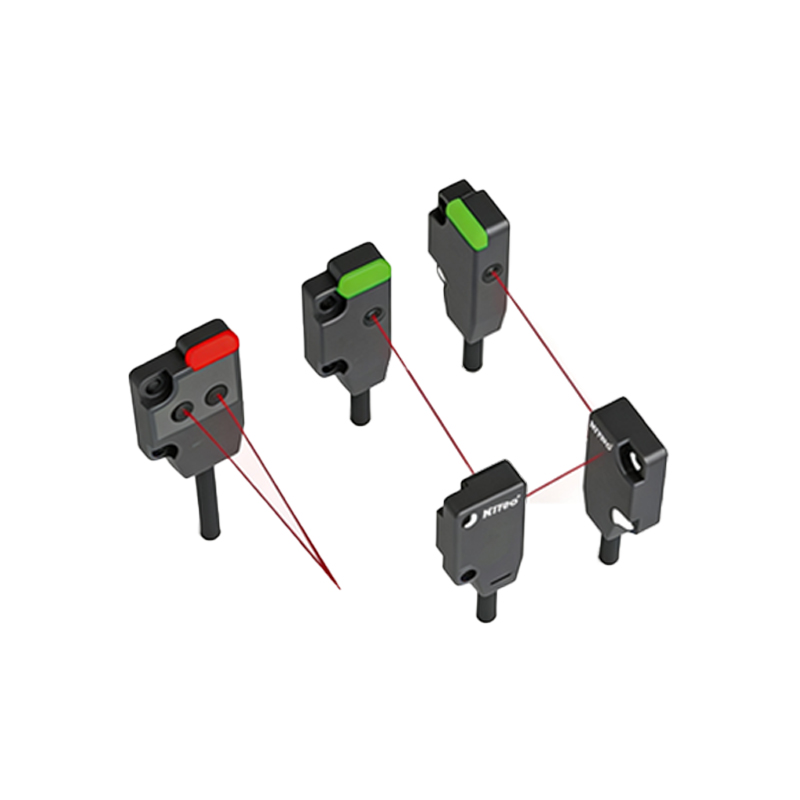
The price of FOSI photoelectric sensors is primarily driven by the underlying technology. Models utilizing advanced laser-based detection or high-precision through-beam methods command a premium due to superior accuracy and range. For instance, a FOSI sensor with a 50-meter detection distance and IP67 protection for harsh environments will cost more than a basic retro-reflective model with shorter range. The housing material—such as stainless steel versus plastic—also impacts durability and cost. Engineers should evaluate the required environmental resilience against budget constraints.
Performance Specifications and Customization
Performance parameters like response time, resolution, and output type directly influence pricing. High-speed FOSI sensors with microsecond response times are essential for fast-moving assembly lines, but they carry a higher price tag. Additionally, sensors with analog outputs or IO-Link communication capabilities are more expensive than simple digital ON/OFF models. Customization for unique applications, such as specialized connectors or cable lengths, can add 10-20% to the base cost. For cost optimization, specify only the necessary features.
Brand Reputation and Certification
FOSI, as a reputable brand in industrial automation, invests heavily in quality control, R&D, and certifications like CE, UL, or FDA for food-grade applications. These certifications ensure reliability but contribute to a higher price compared to generic alternatives. However, the long-term savings from reduced downtime and maintenance often justify the initial investment. When comparing prices, consider the total cost of ownership, including warranty and technical support.
Market Trends and Bulk Discounts
Market demand and supply chain dynamics also affect FOSI sensor prices. Global semiconductor shortages or fluctuations in raw material costs can lead to temporary price increases. Conversely, bulk orders for large-scale projects often qualify for volume discounts, reducing per-unit cost by 15-30%. Engineers should plan purchases during stable market periods or negotiate with distributors for better rates. Additionally, newer models with enhanced features may be priced higher, but older generations might still meet application requirements at a lower cost.
Practical Purchasing Advice
To optimize budget without compromising quality, I recommend starting with a clear specification sheet. Identify the exact sensing range, environmental conditions, and output requirements. Compare prices from authorized FOSI distributors, as counterfeit sensors can be cheaper but unreliable. Finally, consider lifecycle costs: a slightly more expensive sensor with IP69K rating for washdown environments could prevent frequent replacements. For small-scale projects, evaluate FOSI’s standard catalog offerings, which are more cost-effective than custom designs.