Introduction to Narrow Slit Photoelectric Sensors
In the field of industrial automation, photoelectric sensors are essential components for object detection, positioning, and counting. A specialized variant, the photoelectric sensor with a narrow slit, is designed to enhance precision by focusing the emitted light beam through a confined aperture. This configuration minimizes ambient light interference and allows for high-accuracy detection of small or fast-moving targets, making it ideal for applications in packaging, electronics manufacturing, and robotics.
Key Working Principle
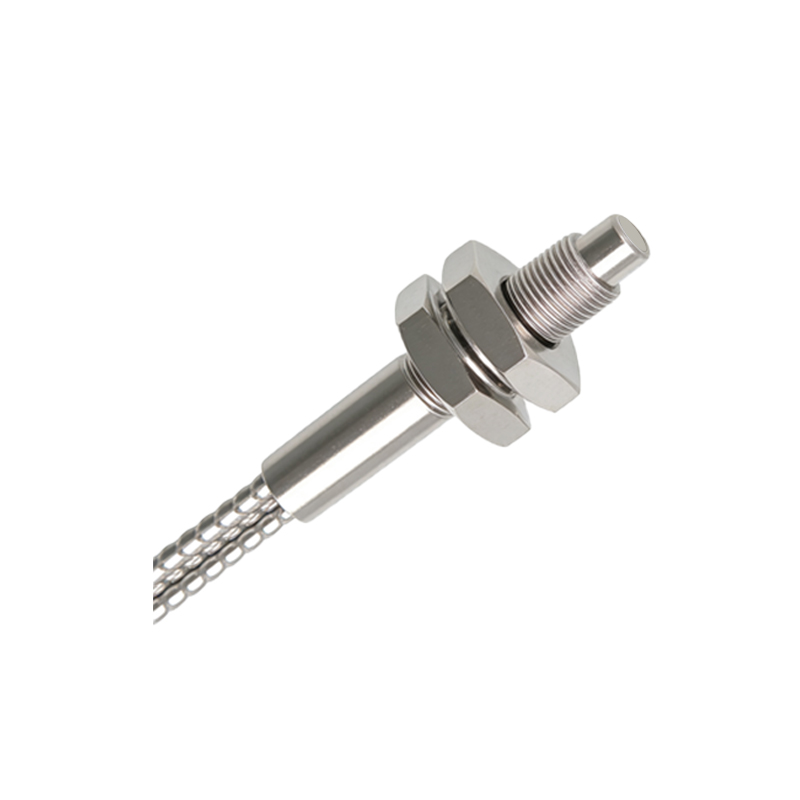
Narrow slit photoelectric sensors operate on the principle of light interruption or reflection. The sensor emits a focused beam, typically from an LED or laser diode, through a slit-shaped opening. When an object passes through the beam, the sensor’s receiver detects a change in light intensity (for through-beam or retro-reflective models) or a reflected signal (for diffuse models). The narrow slit physically restricts the beam’s cross-section, reducing the detection zone to a thin line. This ensures that only objects within the precise path trigger a response, thereby eliminating false detections caused by scattered light or adjacent components.
Advantages in Industrial Applications
The primary advantage of using a narrow slit sensor is its ability to discriminate small targets, such as pins, wires, or edges of thin materials. In high-speed production lines, these sensors provide reliable counting and positioning even at speeds exceeding 10,000 objects per minute. Additionally, the slit design improves immunity to dirt, dust, and vibration, as the reduced aperture limits the amount of debris that can enter the optical path. This leads to lower maintenance requirements and longer operational life in harsh environments like foundries or automotive assembly plants.
Installation and Alignment Considerations
Proper installation is critical for optimal performance. The sensor must be mounted such that the narrow slit is aligned perpendicular to the target’s movement direction. Misalignment by even a few degrees can cause detection errors. Many models offer adjustable slit widths, ranging from 0.5 mm to 5 mm, allowing customization for specific target sizes. For through-beam configurations, the emitter and receiver units must be precisely opposite each other, with the slit oriented identically to ensure a uniform beam path. Use of laser alignment tools is recommended for difficult setups.
Common Troubleshooting Issues
If the sensor fails to detect consistently, first check for optical blockage due to dust or oil on the slit lens. Cleaning with a lint-free cloth and isopropyl alcohol often resolves the issue. Next, verify the power supply voltage and signal wiring, as voltage drops can cause erratic behavior. In high-vibration environments, ensure that mounting brackets are securely tightened. If false triggers occur, reduce the sensitivity setting or increase the slit width slightly to allow for sensor drift while maintaining detection reliability.
Future Trends and Innovations
Advancements in narrow slit sensor technology include integration with IoT platforms for real-time diagnostics and predictive maintenance. Manufacturers are also developing sensors with adaptive slit widths that automatically adjust based on target characteristics using machine learning algorithms. These innovations aim to further reduce downtime and enhance flexibility in smart factories, where rapid product changeovers demand versatile sensing solutions.
结束。