Introduction to Photoelectric Sensors in Elevator Handrails
Photoelectric sensors have become a cornerstone in modern elevator safety systems, particularly for monitoring handrail movement. As an electrical engineer, understanding these devices is crucial for ensuring compliance with global standards like EN 81-20 and ASME A17.1. These sensors use light beams to detect the presence, position, or speed of the handrail, providing real-time feedback to the elevator controller. Unlike mechanical switches, photoelectric sensors offer non-contact detection, reducing wear and improving reliability in high-traffic environments.
Key Operating Principles of Photoelectric Sensors
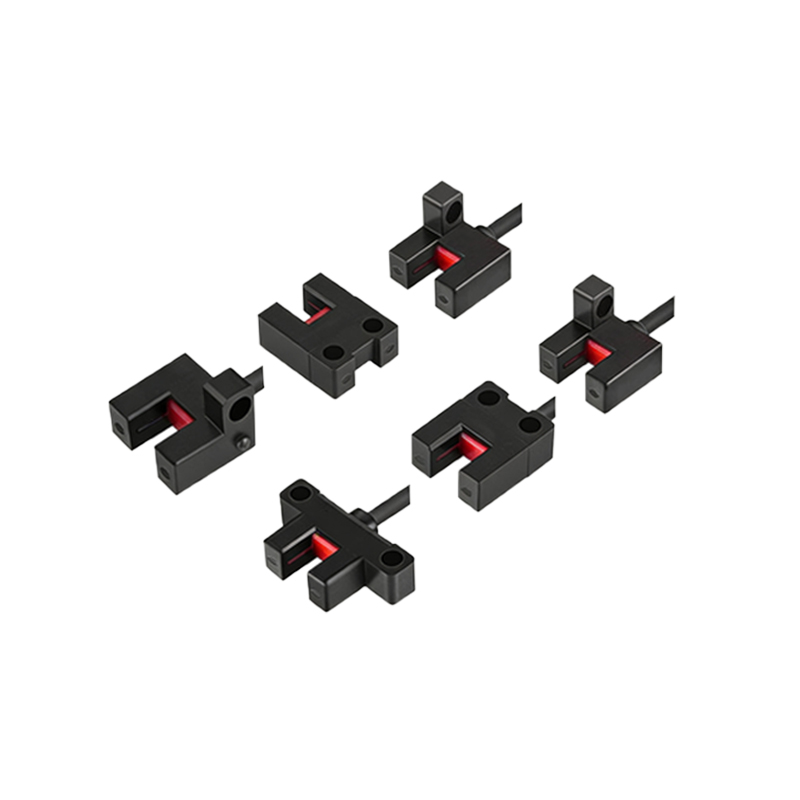
Photoelectric sensors operate based on three main modes: through-beam, retro-reflective, and diffuse. For elevator handrails, through-beam sensors are most common. They consist of a transmitter and receiver placed on opposite sides of the handrail path. When the handrail moves, it interrupts the light beam, generating a signal that indicates motion. Engineers must consider factors such as ambient light interference, sensor response time (typically 1-5 ms), and output type (NPN or PNP). Proper alignment is critical to avoid false triggers, especially in areas with vibration from the elevator car.
Integration with Elevator Control Systems
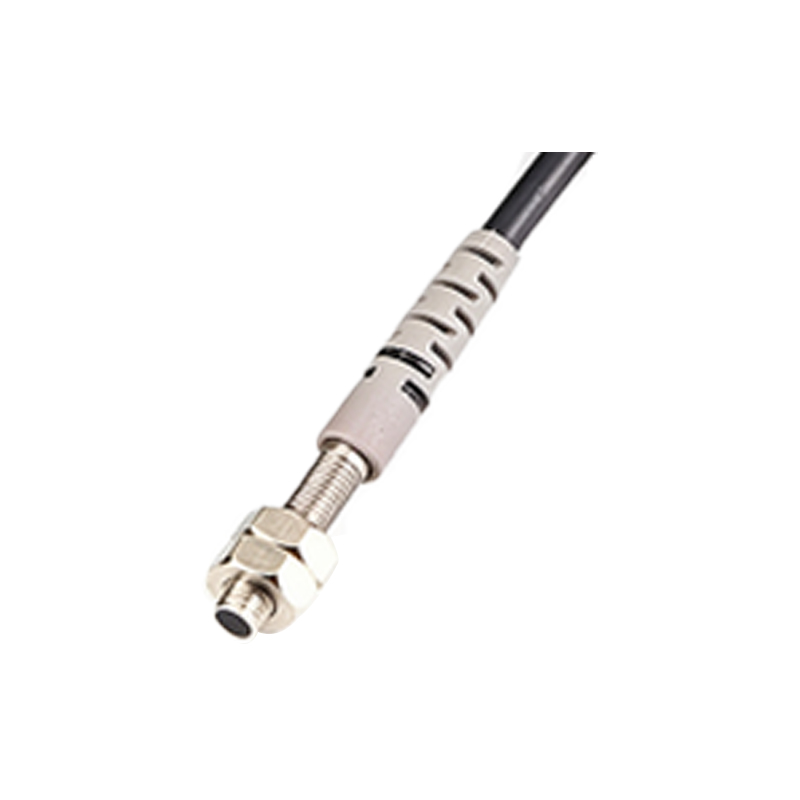
The sensor output is typically wired to the elevator's safety circuit or PLC (Programmable Logic Controller). For example, if the sensor detects no handrail movement while the elevator is moving, the controller initiates a safety stop to prevent accidents. Engineers should use shielded cables to minimize electromagnetic interference (EMI) from nearby motors or drives. Additionally, redundant sensor pairs are recommended for fail-safe operation, with logic such as "AND" or "OR" configurations to handle single-point failures.
Selection Criteria for Handrail Applications
When selecting a photoelectric sensor for elevator handrails, key parameters include sensing distance (usually 10-50 mm for handrails), housing material (IP65 or higher for dust and moisture resistance), and wavelength (visible red light or infrared). For example, a sensor with a 20 mm sensing range and a 2 kHz switching frequency works well for typical handrail speeds up to 0.5 m/s. Always verify the sensor's ambient light immunity, as elevator lobbies often have bright LED or fluorescent lighting.
Installation and Calibration Best Practices
Mount the sensor with its optical axis perpendicular to the handrail surface. Use adjustable brackets to fine-tune alignment. After installation, perform a calibration test: move the handrail manually and verify that the sensor's output toggles cleanly. For retro-reflective sensors, place the reflector on the opposite side of the handrail, ensuring a clear line of sight. Document the sensor's mounting position and wiring details in the maintenance manual. Regular cleaning of the sensor lens and reflector is essential to maintain performance.
Troubleshooting Common Issues
Common problems include false signals from dust accumulation or misalignment, and intermittent detection due to worn handrail surfaces. Use a multimeter to check supply voltage (typically 12-24 VDC) and output voltage. If the sensor is slow to respond, adjust the sensitivity potentiometer or replace the lens. For persistent issues, consider adding a time-delay filter in the PLC to suppress short-duration noise pulses.
Future Trends in Sensor Technology
Recent advancements include laser-based photoelectric sensors with sub-millimeter accuracy and IO-Link communication for real-time diagnostics. These sensors can transmit data on signal strength, temperature, and total operating hours to a central monitoring system. Engineers should evaluate these options for high-end installations, as they reduce maintenance costs and improve system uptime.