Introduction to the E3Zd61 Photoelectric Sensor
The E3Zd61 photoelectric sensor is a high-performance industrial sensing device designed for precise object detection in automation systems. Manufactured by Omron, this sensor operates on the principle of modulated infrared light, offering reliable performance in challenging environments. Its compact design and robust construction make it suitable for a wide range of applications, from packaging lines to material handling systems. With a sensing distance of up to 30 meters in through-beam mode, the E3Zd61 ensures accurate detection even with dusty or misty conditions.
Key Specifications and Technical Features
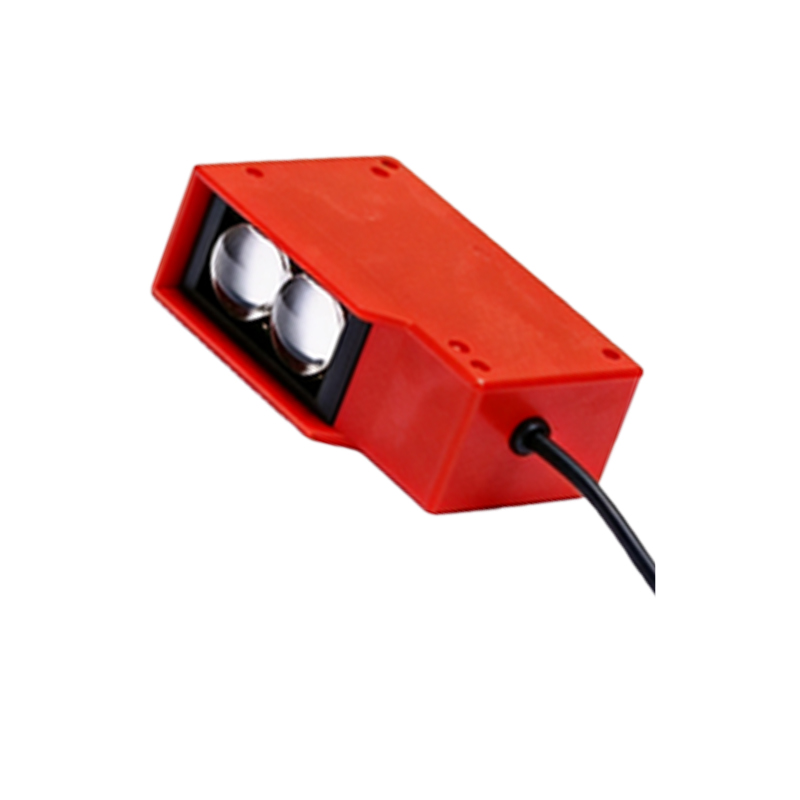
The E3Zd61 sensor features a response time of 1 millisecond, ensuring rapid detection for high-speed production lines. It supports three sensing modes: through-beam, retro-reflective, and diffuse-reflective, providing flexibility for different scenarios. The operating voltage range is 12 to 24 VDC, with a current consumption of less than 40 mA. Its IP67 protection rating guarantees resistance to dust and water ingress, making it ideal for washdown environments. Additionally, the sensor includes a built-in sensitivity adjustment potentiometer and an LED indicator for easy setup and troubleshooting.
Common Applications in Industrial Automation
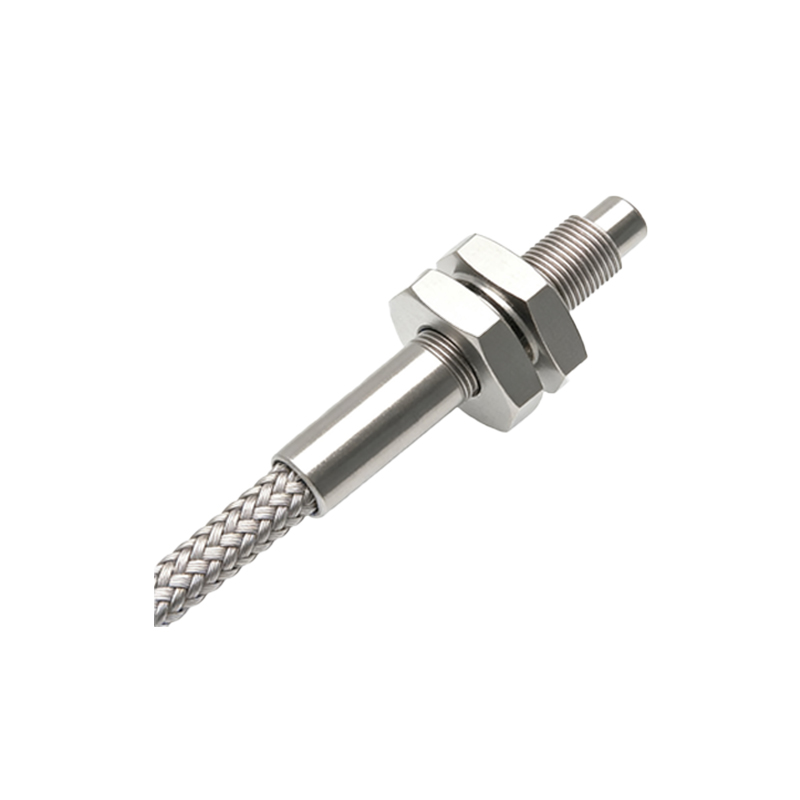
In the automotive industry, the E3Zd61 is used for detecting car body parts on assembly lines. In logistics, it verifies the presence of packages on conveyor belts. The food and beverage sector benefits from its stainless steel housing, which withstands frequent cleaning cycles. For example, in a bottling plant, the sensor can detect bottle caps at speeds exceeding 500 units per minute. Its ability to handle transparent and opaque objects expands its utility in glass and plastic manufacturing.
Installation and Calibration Guidelines
Proper installation is crucial for optimal performance. Mount the sensor on a stable bracket to avoid vibration interference. For through-beam mode, align the emitter and receiver directly facing each other. Use the sensitivity adjustment to fine-tune detection distance. A common mistake is setting sensitivity too high, causing false triggers from background noise. The LED indicator turns steady green when a target is correctly detected. For retro-reflective mode, ensure the reflector is clean and positioned within the specified angle (typically less than 5 degrees).
Troubleshooting Common Issues
If the sensor fails to detect objects, first check for power supply issues. Verify the voltage is within the specified range and the wiring is secure. Dust on the lens or reflector can reduce sensing range; clean with a soft cloth. Interference from ambient light, such as sunlight or welding arcs, may require using a modulated light sensor like the E3Zd61. For persistent errors, consult the manual for error codes indicated by the LED pattern. Replacing the sensor unit is straightforward, as it uses a standard M12 connector.
Comparative Advantages Over Competing Sensors
Compared to similar sensors like the Banner QS30 or SICK WL12, the E3Zd61 offers a longer sensing distance and better immunity to environmental factors. Its built-in timer function for delayed output is a unique feature not found in many competitors. The sensor's compact size (30 mm width) allows for installation in tight spaces. Additionally, its cost-effectiveness makes it a preferred choice for small to medium-sized automation projects.
Conclusion and Best Practices
The E3Zd61 photoelectric sensor is a versatile and reliable tool for modern industrial automation. To maximize its lifespan, avoid exceeding the rated voltage and current. Regularly inspect the lens for scratches or dirt. For custom applications, consult the technical datasheet for wiring diagrams and timing charts. With proper care, this sensor can operate continuously for over 50,000 hours, reducing downtime and maintenance costs.