Introduction to Photoelectric Sensors in Robotics
Photoelectric sensors are essential components in modern robotics, particularly within the electrical and automation industry. These sensors use light to detect the presence, absence, or distance of objects, enabling robots to interact with their environment precisely. In industrial settings, photoelectric sensors enhance efficiency, safety, and reliability in tasks such as positioning, inspection, and material handling. This article explores the core principles of photoelectric sensors, focusing on their operation, types, and integration into robotic systems.
Basic Operating Principle
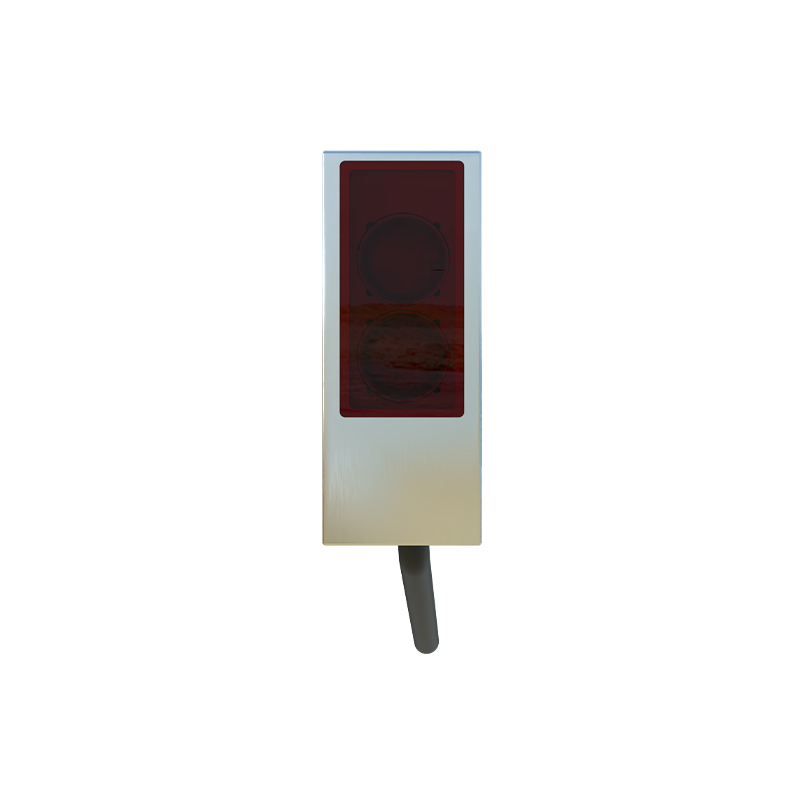
The fundamental principle of a photoelectric sensor involves emitting a beam of light, typically from a light-emitting diode (LED), and detecting the reflected or interrupted light with a photodetector. When an object enters the sensor's field, it alters the light path, triggering a response. The sensor converts this optical signal into an electrical output, which a robot controller interprets. Key factors include light wavelength, intensity modulation, and ambient light rejection, ensuring stable performance in dusty or bright industrial environments.
Types of Photoelectric Sensors
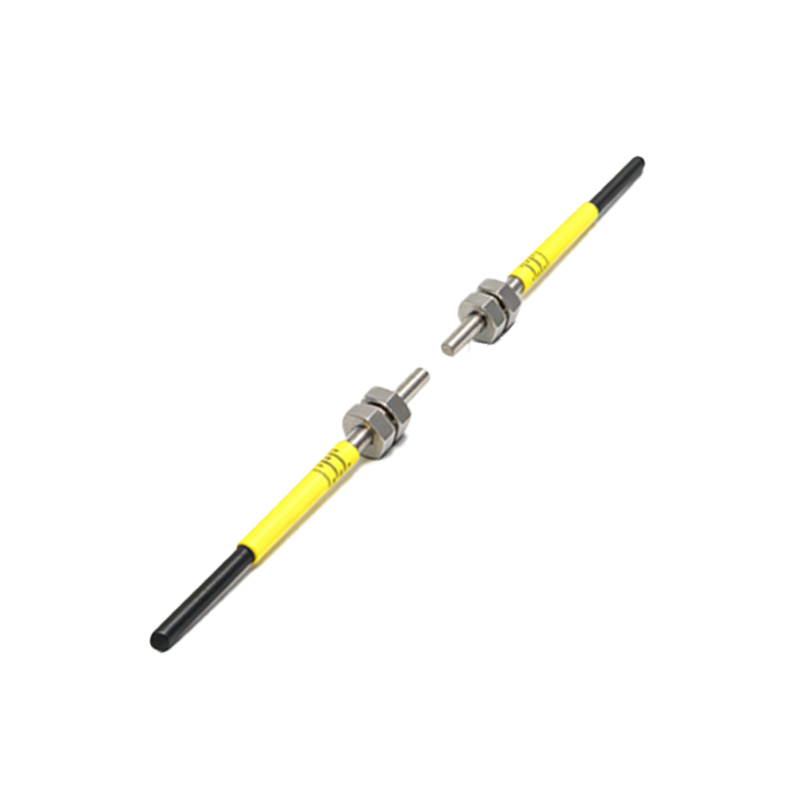
There are three main types: through-beam, retro-reflective, and diffuse reflective sensors. Through-beam sensors consist of separate emitter and receiver units, offering long detection range and high accuracy but requiring alignment. Retro-reflective sensors use a reflector to bounce light back to the receiver, simplifying installation. Diffuse reflective sensors detect light reflected directly from the object, suitable for close-range applications. Each type serves specific robotic tasks, such as part presence verification or obstacle avoidance.
Key Components and Electronics
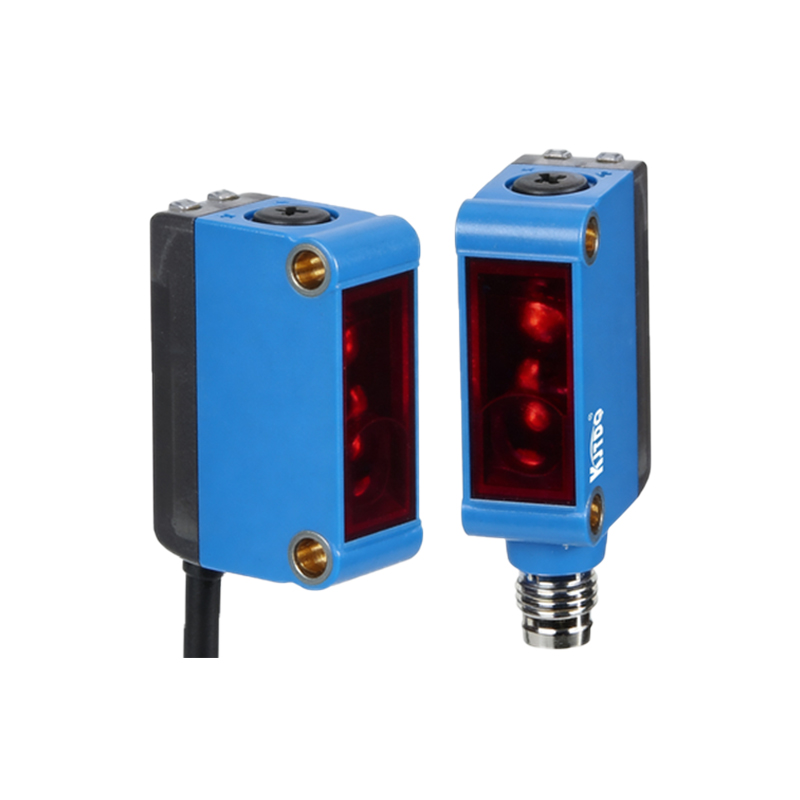
A typical photoelectric sensor includes an LED light source, a photodiode or phototransistor receiver, optics (lenses and filters), and a signal processing circuit. The electronics modulate the emitted light (e.g., pulsed at a specific frequency) to filter out interference from ambient sources. Output stages often provide NPN, PNP, or analog signals, compatible with programmable logic controllers (PLCs) and robot interfaces. Engineers must consider response time, which affects high-speed robotic operations.
Integration with Robotic Systems
In robotics, photoelectric sensors are mounted on end-effectors, robot arms, or fixed positions. They enable closed-loop control by providing real-time feedback for tasks like pick-and-place, welding, or assembly. For example, a diffuse sensor on a gripper ensures correct part orientation, while a through-beam sensor on a conveyor monitors product flow. Calibration involves adjusting sensitivity and threshold levels to match object properties (e.g., color, reflectivity). Proper integration reduces downtime and improves process accuracy.
Advantages and Limitations
Advantages include non-contact detection, fast response (microsecond range), and adaptability to various materials (metals, plastics, liquids). However, limitations arise with transparent or highly reflective objects, which may cause false readings. Environmental factors like steam or fog can scatter light, reducing reliability. Engineers mitigate these issues by selecting appropriate sensor types, using protective housings, and implementing software filters.
Future Trends and Innovations
Advancements in photoelectric sensor technology include smart sensors with built-in diagnostics, wireless connectivity, and machine learning algorithms for adaptive sensing. In robotics, these innovations support collaborative robots (cobots) and autonomous guided vehicles (AGVs), enhancing flexibility in Industry 4.0 factories. For example, sensors now integrate with Ethernet/IP or IO-Link protocols, enabling real-time data exchange and predictive maintenance.
Conclusion
Photoelectric sensors are vital for enabling precise, reliable robotic operations in industrial automation. Understanding their principles—from light emission to signal processing—allows engineers to select and configure sensors effectively. As robotics evolves, these sensors will continue to play a key role in optimizing productivity, safety, and adaptability.