Introduction to Photoelectric Sensors
Photoelectric sensors are critical components in modern industrial automation systems, designed to detect the presence, absence, or distance of objects using light beams. These sensors operate on the principle of converting light signals into electrical signals, enabling precise and reliable detection in various environments. The research purpose of photoelectric sensors focuses on enhancing their accuracy, response time, and adaptability to harsh industrial conditions.
Improving Detection Accuracy and Reliability

One primary research objective is to boost detection accuracy under challenging conditions such as dust, smoke, or fluctuating ambient light. For instance, advanced algorithms and optical designs are being developed to minimize false triggers and ensure consistent performance in manufacturing lines, conveyor systems, and robotic applications. This research aims to reduce downtime and improve product quality in sectors like automotive, food processing, and electronics assembly.
Enhancing Sensing Range and Flexibility
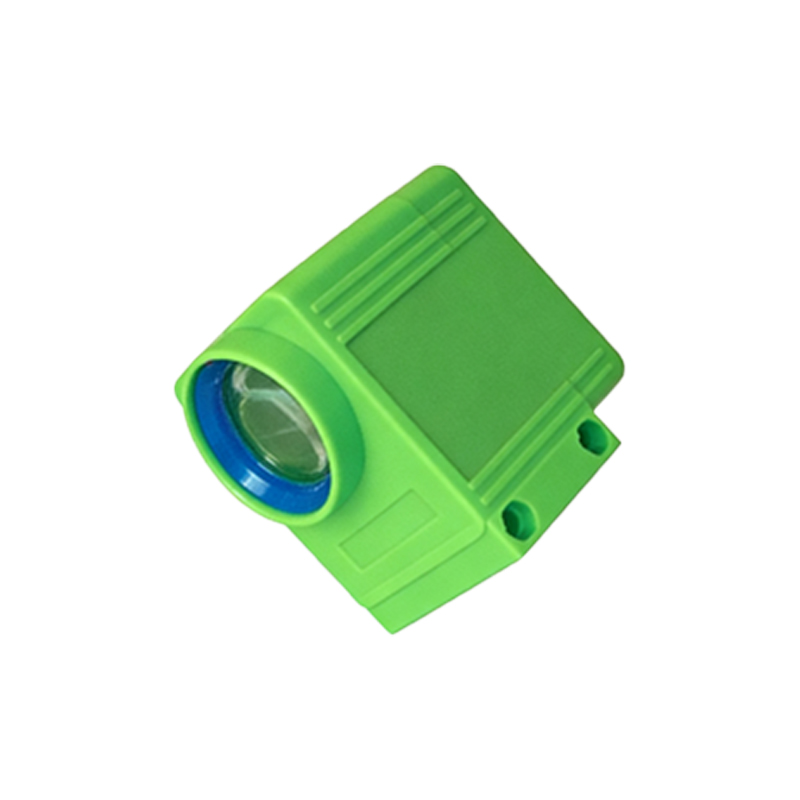
Another key purpose is to expand the sensing range and flexibility of photoelectric sensors for diverse industrial needs. Researchers are exploring new light sources, such as laser or infrared LEDs, to achieve longer detection distances and better penetration through obstacles. Additionally, modular designs and adjustable sensitivity settings are being integrated to allow customization for specific tasks, from small part inspection to large-scale material handling.
Integrating Smart Features for Industry 4.0
The integration of smart capabilities is a major research direction, aligning with the principles of Industry 4.0. This includes developing sensors with embedded microcontrollers, communication protocols (e.g., IO-Link), and data processing functions. Such features enable real-time monitoring, predictive maintenance, and seamless connectivity with industrial networks, thereby optimizing overall system efficiency and reducing human intervention.
Optimizing Energy Efficiency and Durability
Energy efficiency and durability are also vital research goals. Innovations focus on reducing power consumption through low-power electronics and energy-harvesting techniques, making sensors suitable for battery-operated or remote installations. Meanwhile, robust housing materials and sealing technologies are being studied to withstand extreme temperatures, moisture, and vibrations, ensuring long service life in demanding factory floors.
Conclusion and Future Outlook
In summary, the research purpose of photoelectric sensors is multifaceted, aiming to advance performance, adaptability, and intelligence in industrial automation. Future efforts will likely explore artificial intelligence for adaptive sensing and new optical materials for even higher precision. These advancements will continue to drive efficiency and safety in manufacturing processes worldwide.