Introduction to Drive Photoelectric Sensors
Drive photoelectric sensors are essential components in modern industrial automation, used to detect the presence, absence, or distance of objects without physical contact. These sensors utilize light beams—typically infrared, visible red, or laser—to trigger outputs based on changes in light intensity. As an electrical engineer, I have worked extensively with these devices in manufacturing lines, packaging systems, and robotics. Below, I break down the main types of drive photoelectric sensors based on their operational principles and configurations.
Through-Beam Sensors
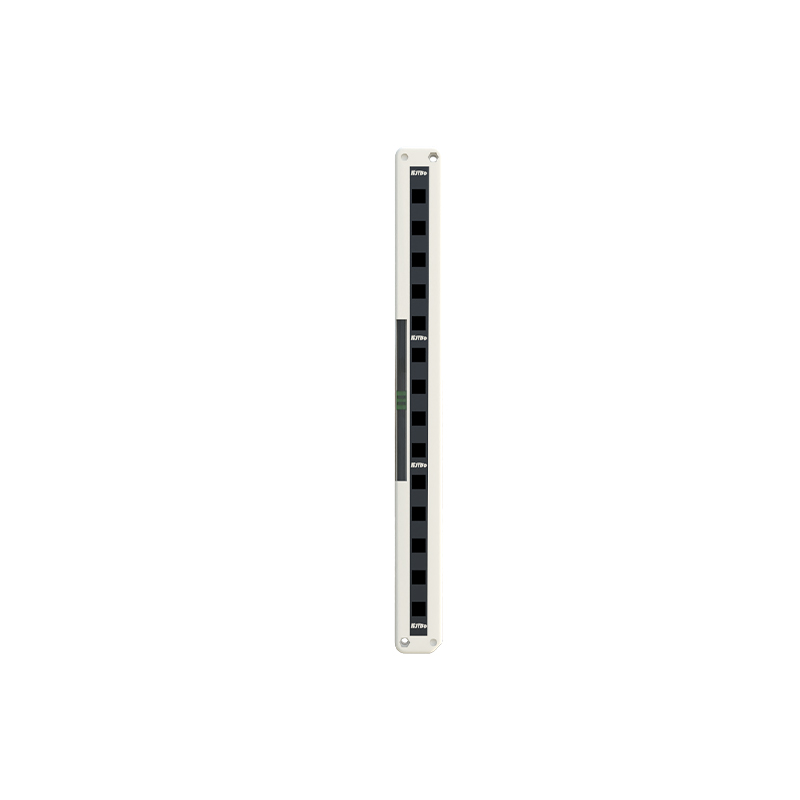
Through-beam sensors consist of a separate emitter and receiver, aligned opposite each other. The emitter projects a continuous light beam toward the receiver. When an object interrupts this beam, the sensor detects the blockage and triggers a response. This type offers the longest sensing range—up to 60 meters in some industrial models—and high immunity to ambient light and dust. However, installation requires precise alignment and wiring on both sides of the target area. I recommend these for applications like conveyor belt monitoring or safety light curtains.
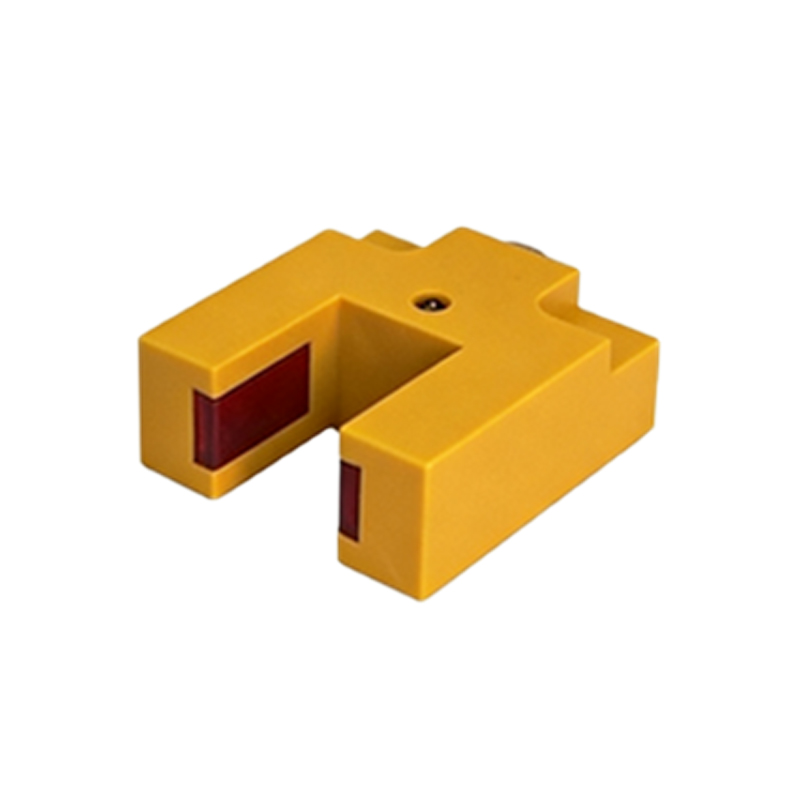
Retro-Reflective Sensors
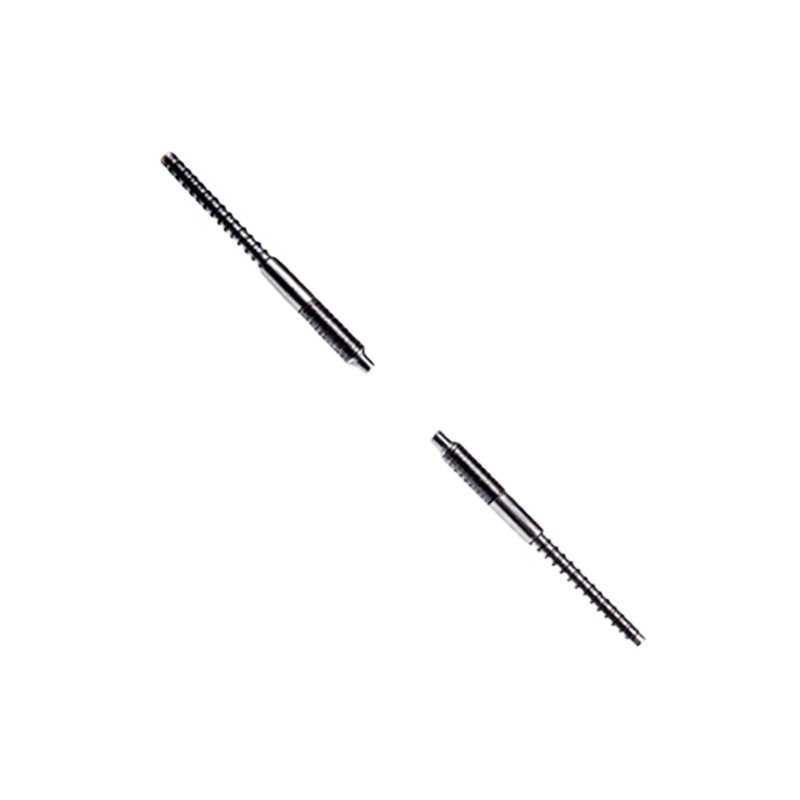
Retro-reflective sensors integrate the emitter and receiver in a single housing, with a reflector placed opposite the unit. The light beam travels from the sensor to the reflector and bounces back. When an object breaks the beam, the receiver detects the loss of reflected light. These sensors are easier to install than through-beam types, as only one electrical connection is needed. Typical sensing ranges are up to 10 meters. A common challenge is false detection from shiny objects; polarized retro-reflective models solve this by using a polarizing filter to ignore reflections from glossy surfaces.
Diffuse Reflective Sensors
Diffuse reflective sensors, also known as proximity photoelectric sensors, have the emitter and receiver in one unit, but no separate reflector. The sensor detects light reflected directly off the target object itself. This type is ideal for short-range detection—typically up to 2 meters—and is often used for small parts, transparent objects, or uneven surfaces. Performance depends heavily on the object's color, texture, and reflectivity. For instance, dark or matte surfaces require a sensor with higher sensitivity. I often pair these with background suppression models to avoid false triggers from distant objects.
Laser Photoelectric Sensors
Laser photoelectric sensors use a focused laser beam instead of standard LEDs. They offer extremely high precision with spot sizes as small as 0.1 mm, making them suitable for detecting tiny components, aligning parts, or measuring distances in high-speed automation. These sensors can be configured as through-beam, retro-reflective, or diffuse types. However, laser sensors are more sensitive to contamination and require clean environments. In my experience, they excel in semiconductor manufacturing or precision assembly lines.
Fiber Optic Photoelectric Sensors
Fiber optic sensors use flexible fiber optic cables to transmit light to and from a remote sensing head. This design allows for detection in confined spaces, high-temperature areas, or hazardous environments where traditional sensors cannot fit. The amplifier unit is placed remotely, while the fiber tip can be as small as a needle. They are available in through-beam or diffuse configurations. For example, I have used these for detecting labels on a bottle in a harsh washdown area.
Color and Contrast Sensors
While not strictly "drive" sensors, color and contrast photoelectric sensors are specialized for distinguishing between different colors or shades. They use multiple LEDs (red, green, blue) to analyze reflected light spectra. These are critical in packaging for verifying print marks, sorting products by color, or controlling labeling machines. The sensing range is typically short, under 100 mm, but accuracy is paramount.
Conclusion and Selection Tips
Choosing the right drive photoelectric sensor depends on your application's range, object properties, environmental conditions, and precision needs. For long-range, reliable detection, use through-beam. For easy installation, choose retro-reflective. For short-range or object-specific tasks, opt for diffuse reflective. In precision or dirty environments, consider laser or fiber optic types. Always check the sensor's datasheet for response time, output type (NPN/PNP), and IP rating to ensure compatibility with your control system.