Introduction to Photoelectric Sensors in Safety Applications
Photoelectric sensors have become indispensable components in industrial automation, particularly for safety detection in hazardous environments. These non-contact devices use light beams to detect the presence, absence, or distance of objects, offering high reliability and fast response times. In sectors such as automotive assembly, packaging, and material handling, they serve as critical safety barriers to prevent accidents involving machinery, conveyors, and robotic systems. Unlike mechanical switches, photoelectric sensors operate without physical contact, reducing wear and maintenance while ensuring consistent performance in dusty, wet, or high-vibration settings.
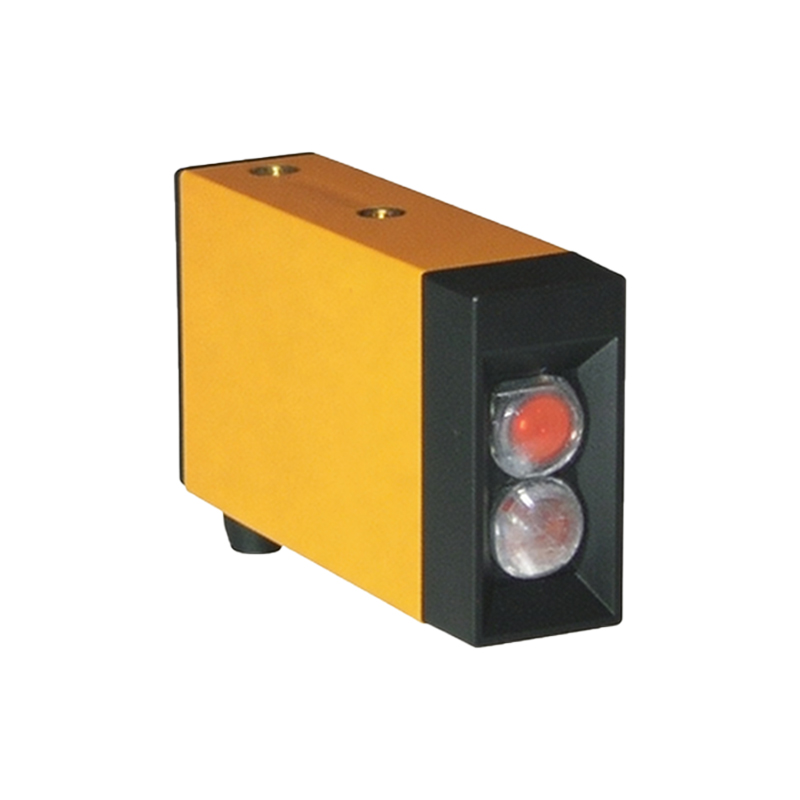
Key Types of Photoelectric Sensors for Safety Detection
Three primary configurations are widely deployed: through-beam, retro-reflective, and diffuse sensors. Through-beam sensors consist of separate emitter and receiver units, providing the longest detection range and highest immunity to contamination, ideal for entrance guarding. Retro-reflective sensors use a reflector to bounce the beam back to the receiver, simplifying wiring and installation near machine perimeters. Diffuse sensors detect objects by reflecting light directly off the target, suitable for short-range applications like part presence verification in assembly lines. For safety-critical tasks, these sensors must comply with standards such as IEC 61496, ensuring fail-safe operation even under fault conditions.
Integration with Safety Control Systems
To achieve functional safety, photoelectric sensors are often integrated into safety relays, programmable logic controllers (PLCs), or dedicated safety modules. These systems monitor sensor signals and trigger emergency stops or machine shutdowns when a safety zone is breached. Modern sensors feature self-diagnostic capabilities, including output signal switching device (OSSD) outputs, which continuously check for short circuits, cross-wiring, or component failures. This closed-loop feedback ensures that any degradation in performance, such as lens contamination or alignment drift, is immediately detected and reported, preventing undetected safety gaps.
Environmental Challenges and Sensor Robustness
Industrial environments pose unique challenges: temperature extremes, humidity, chemical splashes, and airborne particulates can compromise sensor accuracy. Advanced photoelectric sensors are now engineered with IP67 or IP69K ratings, stainless steel housings, and heated optics to prevent condensation and ice buildup. For example, in food processing plants, sensors must withstand high-pressure washdowns while maintaining precise detection of transparent or shiny packaging materials. Additionally, laser-based photoelectric sensors offer extended range and precision for long-distance safety monitoring in warehouses or large machinery cells.
Best Practices for Installation and Maintenance
Proper alignment and mounting are crucial for reliable safety performance. Install sensors at appropriate heights to cover the full danger zone, avoiding blind spots. Use alignment tools or built-in laser pointers to ensure the light beam is unobstructed. Regular cleaning of lenses and reflectors, along with periodic functional tests using test rods or software diagnostics, helps maintain system integrity. It is also recommended to implement redundant sensor arrays for high-risk areas, ensuring that a single sensor failure does not compromise overall safety.
Future Trends: Smart Sensors and Industry 4.0
The evolution of Industry 4.0 is driving photoelectric sensors toward greater intelligence and connectivity. Smart sensors now integrate IO-Link communication, enabling real-time data exchange with central control systems for predictive maintenance and performance analytics. They can store configuration profiles, track operational hours, and automatically adjust sensitivity based on environmental changes. Furthermore, advancements in time-of-flight (ToF) technology are enabling 3D safety monitoring, allowing virtual safety zones that adapt dynamically to changing machine operations. These innovations promise to further reduce downtime while enhancing worker safety in increasingly complex manufacturing ecosystems.