Introduction to the Q31 Photoelectric Sensor
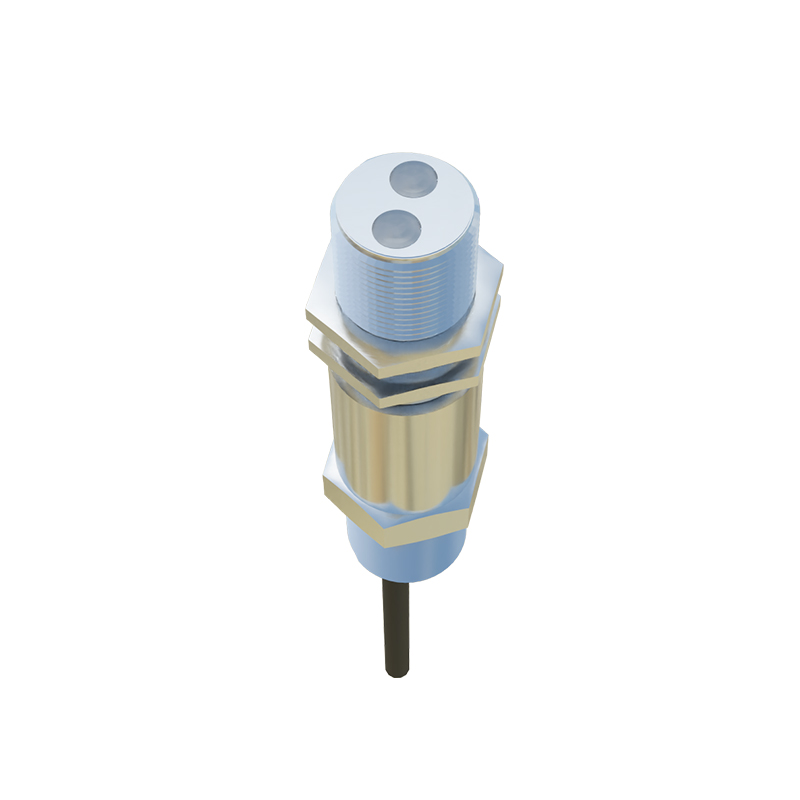
The Q31 photoelectric sensor is a robust and versatile device widely used in industrial automation for object detection, positioning, and counting. Designed by leading sensor manufacturers, it operates on the principle of emitting a light beam and detecting changes in its reflection or interruption. This sensor is particularly valued for its high sensitivity, long detection range, and ability to function in harsh environments, making it a staple in manufacturing lines, packaging systems, and material handling.
Key Features and Technical Specifications
The Q31 sensor typically offers multiple operating modes, including through-beam, retroreflective, and diffuse sensing. Its key specifications include a detection range of up to 20 meters in through-beam mode, a response time as low as 1 millisecond, and an IP67 rating for dust and water resistance. It often supports both PNP and NPN output configurations, along with a wide supply voltage range of 10 to 30 VDC. Additionally, the sensor incorporates ambient light suppression and temperature compensation to ensure stable performance in fluctuating conditions.
Common Operating Modes and Their Applications
In through-beam mode, the Q31 uses a separate emitter and receiver to create a reliable detection zone, ideal for long-range applications such as conveyor belt monitoring or gate control. Retroreflective mode works with a reflector to detect opaque objects, commonly used in packaging lines for bottle or box detection. Diffuse mode relies on the object itself to reflect the light beam, suitable for short-range tasks like detecting transparent or shiny materials. Each mode offers unique advantages, and selecting the right one depends on the target material, distance, and environmental factors.
Installation and Wiring Guidelines
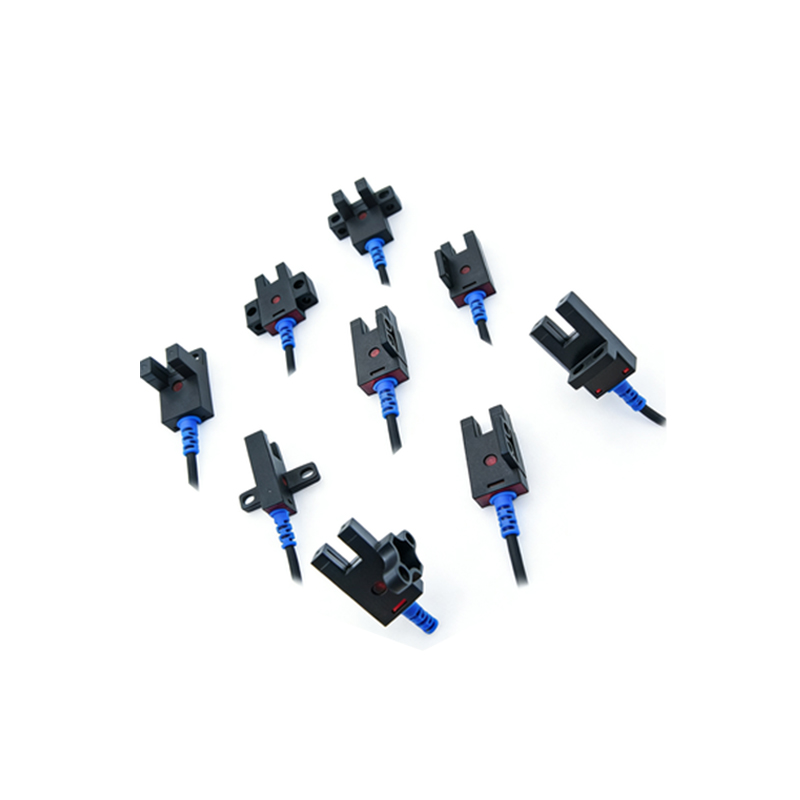
Proper installation is critical for optimal sensor performance. The Q31 should be mounted on a stable surface using its bracket, with the sensing head aligned perpendicular to the target path. Wiring involves connecting the brown wire to positive supply, blue to negative, and black to the load. For models with a teach-in function, a brief pulse on the white wire can set sensitivity thresholds. It is recommended to use shielded cables and avoid proximity to high-voltage lines to reduce electromagnetic interference.
Maintenance and Troubleshooting Tips
Regular maintenance includes cleaning the lens with a soft cloth to remove dust or oil residues, and checking alignment every month. Common issues like false triggering can often be resolved by adjusting the sensitivity potentiometer or switching to a different mode. If the sensor fails to detect, verify the power supply voltage and inspect the wiring for loose connections. For persistent errors, consult the manufacturer's datasheet for specific diagnostic codes or contact technical support.
Conclusion and Industry Impact
The Q31 photoelectric sensor continues to be a reliable choice for engineers seeking cost-effective and durable automation solutions. Its adaptability across industries—from automotive assembly to food processing—underscores its importance in modern manufacturing. By understanding its features, modes, and maintenance, professionals can maximize uptime and efficiency in their operations.