Introduction to Compact Photoelectric Sensors
Compact photoelectric sensors are essential components in modern industrial automation, offering reliable object detection in tight spaces. These devices use light beams to detect the presence, absence, or distance of targets without physical contact, making them ideal for applications ranging from conveyor systems to packaging machinery. When selecting a compact sensor, engineers must consider factors like sensing range, ambient light immunity, and output type to ensure optimal performance in harsh environments.
Key Features to Consider in a Compact Photoelectric Sensor
Before diving into specific models, it's crucial to understand the technical parameters that define a high-quality compact photoelectric sensor. First, sensing technology—through-beam, retro-reflective, or diffuse—affects detection reliability. Through-beam sensors offer the longest range and highest accuracy but require separate emitter and receiver units. Retro-reflective sensors are easier to install with a reflector, while diffuse sensors work well for short-range detection without a reflector. Second, housing material (e.g., stainless steel or PBT plastic) and protection rating (IP67 or IP69K) determine durability in dusty or wet conditions. Third, response time and switching frequency must align with your production speed to avoid missed detections. Finally, output types like NPN, PNP, or IO-Link enable seamless integration with PLCs.
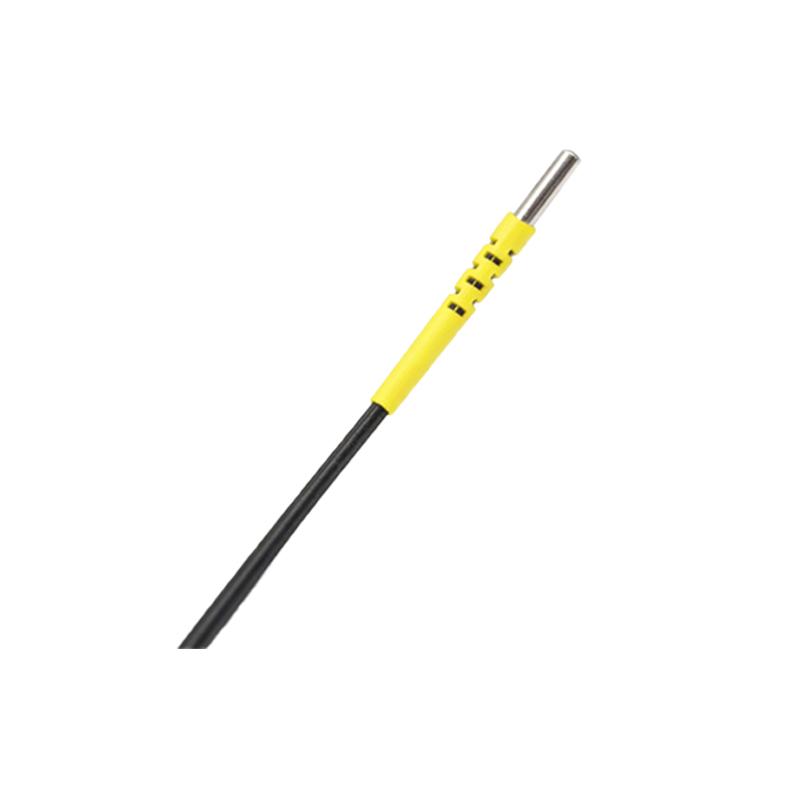
Top Recommendation 1: SICK W4S-3 Series
The SICK W4S-3 series stands out for its ultra-compact design (only 20 x 10 x 5 mm) and exceptional background suppression. Using SICK's patented MultiPixel technology, this sensor can detect objects as small as 0.5 mm with high repeatability, even on glossy or dark surfaces. It features a sensing range of up to 120 mm for diffuse mode and 4 m for retro-reflective mode. The IP67-rated housing and built-in self-diagnostic functions reduce downtime in assembly lines. Ideal for electronics manufacturing and small parts handling, the W4S-3 also supports IO-Link for data exchange.
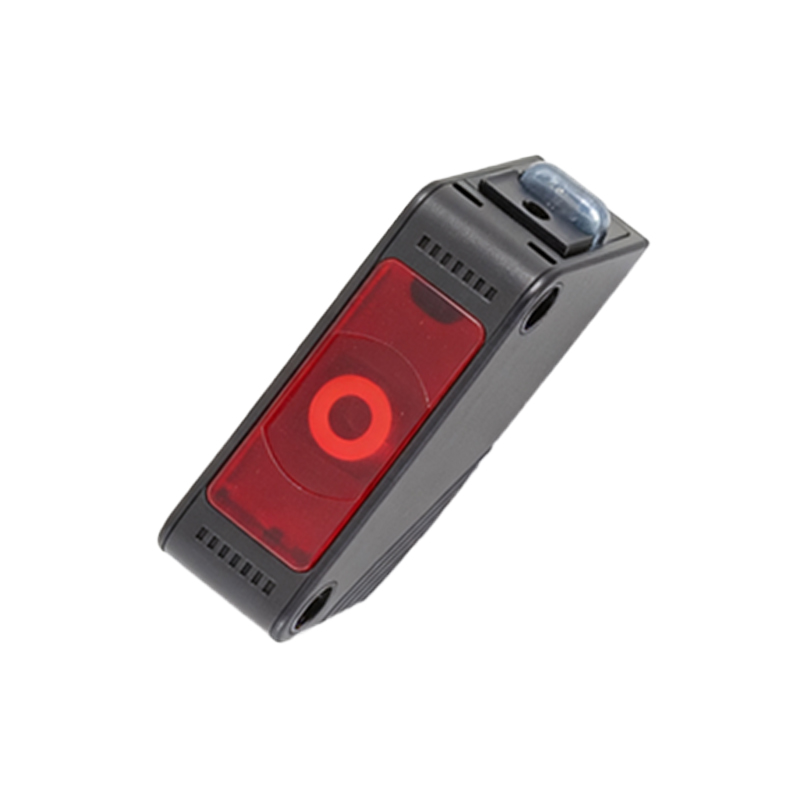
Top Recommendation 2: Omron E3Z-G Series
Omron's E3Z-G series is a robust choice for food and beverage industries, offering a compact rectangular shape (30 x 20 x 10 mm) with a stainless steel housing that withstands wash-down environments. These sensors provide a diffuse sensing range of up to 300 mm and a retro-reflective range of 5 m. Equipped with a visible red laser class 1, the E3Z-G ensures precise positioning for robotic applications. Its one-button teaching function simplifies setup, and the dual-output (NPN/PNP) compatibility makes it versatile for global installations. The IP69K rating guarantees protection against high-pressure hot water.
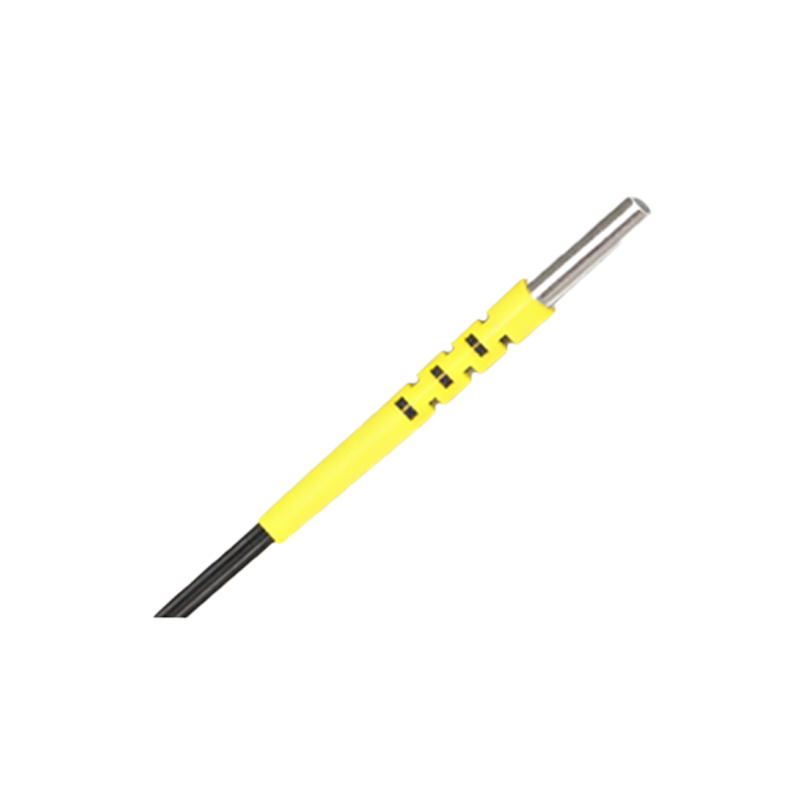
Top Recommendation 3: Banner QS18 Series
Banner Engineering's QS18 series is renowned for its multi-mode flexibility, allowing users to switch between through-beam, retro-reflective, and diffuse modes via a single device. The cylindrical housing (18 mm diameter) is available in plastic or metal, with a sensing range up to 20 m in through-beam mode. A standout feature is the adjustable sensitivity via a potentiometer for fine-tuning in dusty conditions. The QS18 also includes a visible red emitter for easy alignment and an optional IO-Link version for smart diagnostics. It excels in material handling and warehouse automation.
Top Recommendation 4: Pepperl+Fuchs ML100 Series
Pepperl+Fuchs ML100 series offers a flat, low-profile design (10 x 30 x 20 mm) that fits into tight machine gaps. This sensor specializes in short-range detection with a diffuse range of up to 100 mm and a retro-reflective range of 2 m. Its key advantage is the integrated background suppression that ignores shiny backgrounds, perfect for detecting transparent or clear objects like glass vials and plastic bottles. The ML100 operates on a 10-30 V DC supply and has a fast response time of under 1 ms. It is widely used in medical device manufacturing and battery production.
Top Recommendation 5: Keyence FS-N Series with Fiber Optic Units
For applications requiring extreme precision in confined spaces, the Keyence FS-N series paired with fiber optic cables is unmatched. The amplifier unit is compact (20 x 40 x 10 mm) and can be mounted remotely, while the fiber optic heads as small as 2 mm diameter allow detection in micro-sensors. Sensing range varies with fiber type, up to 500 mm for through-beam. The FS-N features an automatic calibration function and a digital display for real-time monitoring. This combination is ideal for high-speed inspection in semiconductor and automotive component assembly.
Conclusion: Choosing the Right Sensor for Your Application
Selecting the optimal compact photoelectric sensor depends on your specific operational needs. For ultra-small object detection, SICK W4S-3 leads. For wash-down environments, Omron E3Z-G is superior. Banner QS18 offers versatility, Pepperl+Fuchs ML100 excels with clear objects, and Keyence FS-N provides precision with fiber optics. Always validate the sensor's ambient light immunity, cable length, and mounting options against your machine design. By considering these factors, you can enhance system reliability and reduce maintenance costs.