In the world of automation and smart technology, proximity sensors are the silent, unseen workhorses. They detect the presence or absence of an object within a specific range without any physical contact. This fundamental capability makes them indispensable across countless industries, from manufacturing and automotive to consumer electronics and security systems. At its core, a proximity sensor converts information about the presence of a nearby target into an electrical signal. This signal is then processed by a control system to trigger an action, such as stopping a machine, counting items, or turning on a display.
The principle of operation varies significantly depending on the sensor type, each suited to different materials, environments, and precision requirements. Inductive proximity sensors are among the most common. They generate an electromagnetic field and detect changes caused by metallic objects entering that field. Highly reliable and resistant to environmental factors like dust or oil, they are a staple in industrial settings for tasks like part detection on assembly lines or determining the position of metal components.
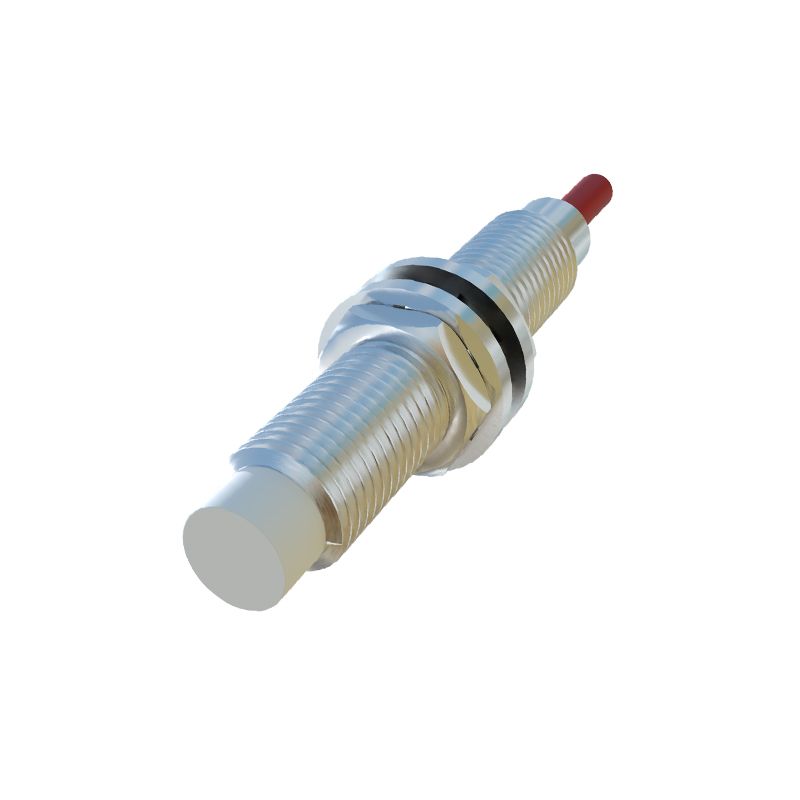
Another major category is capacitive proximity sensors. These can detect both metallic and non-metallic objects—including liquids, plastics, wood, and even human skin—by sensing changes in capacitance. When an object enters the sensor's electrostatic field, it alters the capacitance, triggering the output. This versatility makes them perfect for level detection in tanks, touch-sensitive interfaces, and material handling where various substances are present.
For applications requiring longer detection ranges or the ability to sense any material regardless of color or composition, ultrasonic proximity sensors are often the choice. They work by emitting high-frequency sound waves and measuring the time it takes for the echo to return after bouncing off a target. This "time-of-flight" principle allows for precise distance measurement, useful in parking assist systems, object profiling, and bulk level sensing.
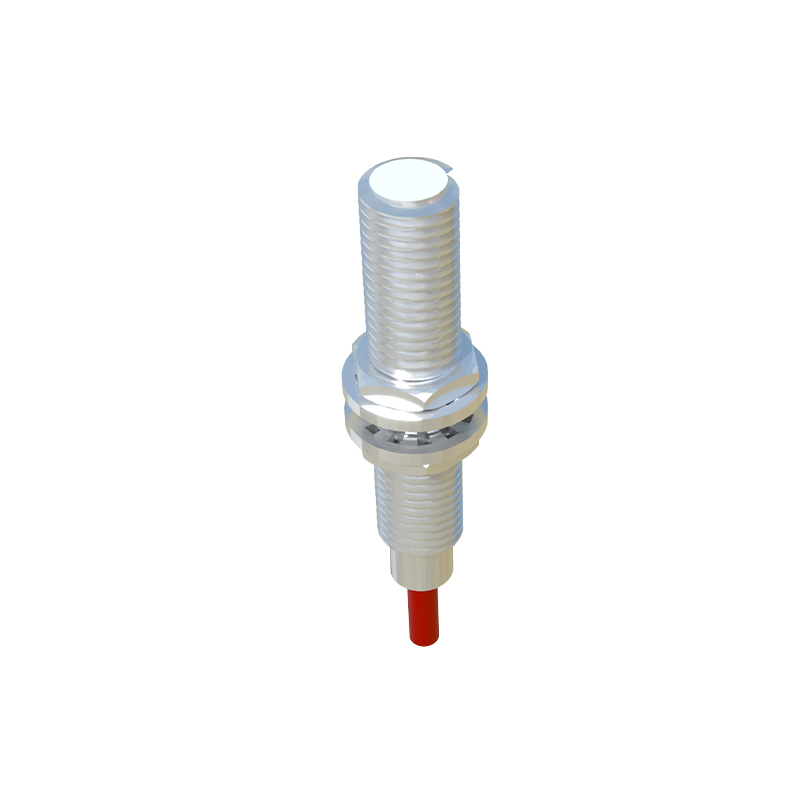
Photoelectric sensors, which use light beams, are also a form of proximity detection. They typically consist of a light emitter and a receiver. When an object interrupts or reflects the light beam, the sensor detects the change. While some types require a reflector, others can detect objects directly. They excel in long-range detection and are sensitive to a wide array of materials, though their performance can be affected by environmental conditions like heavy dust or ambient light.
The selection of the right proximity sensor hinges on several key factors. The nature of the target material is paramount—is it metal, plastic, liquid, or transparent? The required sensing distance, or range, dictates the sensor's power and type. Environmental conditions such as temperature extremes, humidity, exposure to chemicals, or the presence of washdown procedures must be considered to ensure durability and reliability. Finally, the required output type—digital (on/off) or analog (proportional to distance)—and the electrical interface (e.g., NPN, PNP) must match the control system's requirements.
The applications are virtually limitless. In smartphones, a miniature proximity sensor turns off the screen during a call to save power and prevent accidental touches. In automotive manufacturing, inductive sensors ensure robotic arms weld at the exact correct spot. In retail, they automate door openings, and in warehouses, they count packages on conveyors. Advanced robotics rely on arrays of proximity sensors for navigation and obstacle avoidance, creating a sense of "touch" for machines.
Looking ahead, the evolution of proximity sensing is geared towards greater miniaturization, intelligence, and integration. Sensors are becoming smaller yet more powerful, with embedded microprocessors that allow for self-diagnosis, adaptive sensing, and direct communication via industrial networks like IO-Link. This trend towards smart sensors enhances system flexibility, predictive maintenance capabilities, and overall operational efficiency. As the Internet of Things (IoT) expands, proximity sensors will continue to be critical data points, feeding information about the physical world into digital control systems, making our environments safer, more efficient, and increasingly automated.