In industrial automation and electronic manufacturing, proximity sensors play a critical role in detecting the presence or absence of objects without physical contact. However, a certain percentage of sensors inevitably fail quality control checks, becoming non-conforming items. The proper disposal of these defective proximity sensors is not merely a logistical task; it is a complex process intertwined with environmental responsibility, regulatory compliance, data security, and cost management. Establishing a robust and standardized procedure is paramount for any organization handling electronic components.
The journey of a non-conforming proximity sensor begins at the point of identification. Quality control personnel must clearly tag and isolate the failed unit from conforming inventory. The initial assessment is crucial. Disposal is not always the first or only option. A detailed failure analysis should determine the root cause—whether it's a calibration drift, a damaged sensing element, housing corrosion, or internal circuit failure. This analysis can inform process improvements and potentially identify units suitable for rework or repair. For instance, a sensor with minor housing damage but a functional core might be refurbished for less critical applications, following a strict re-qualification protocol.
When disposal is confirmed as the necessary path, the process must adhere to a hierarchy of responsible methods. Landfilling should be the absolute last resort due to the environmental hazards posed by electronic waste. Proximity sensors contain various materials, including plastics, metals (like copper, brass, or stainless steel), and often printed circuit boards (PCBs) with solders and potentially hazardous substances regulated under directives like the EU's RoHS (Restriction of Hazardous Substances) and WEEE (Waste Electrical and Electronic Equipment). Improper disposal can lead to soil and groundwater contamination.
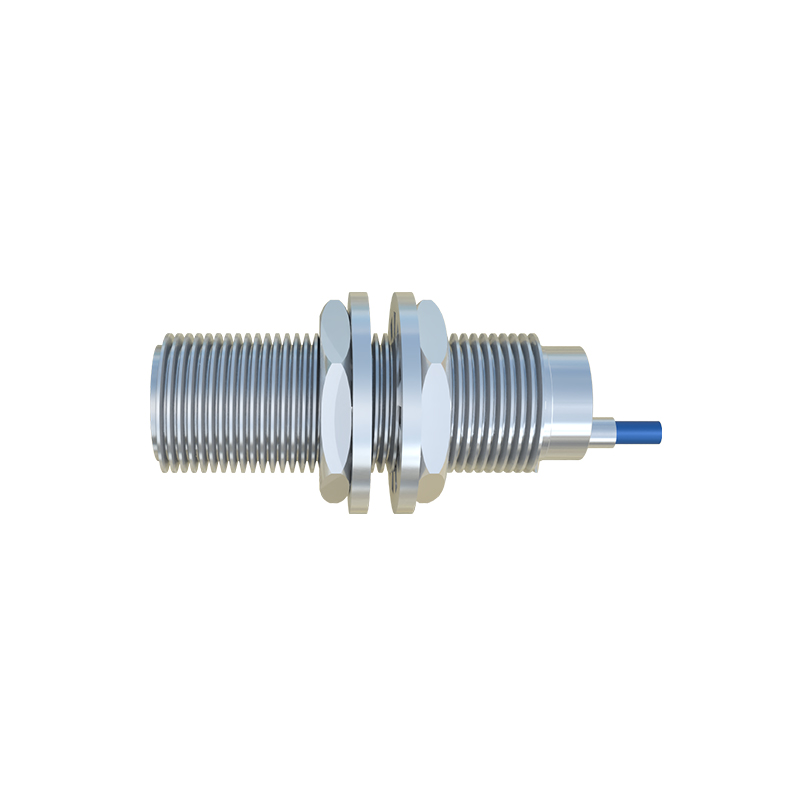
The preferred method is recycling through certified e-waste handlers. These specialists disassemble the sensors, segregating materials into distinct streams. Metals are recovered and smelted for reuse, plastics are processed, and PCBs are treated to recover precious metals while safely managing hazardous content. This process conserves natural resources and reduces the carbon footprint associated with mining and manufacturing virgin materials. Organizations must maintain auditable records of their e-waste transfer to certified recyclers, including certificates of destruction or recycling, to demonstrate compliance with local and international regulations.
For sensors used in sensitive applications—such as those in defense, aerospace, or access control systems—physical destruction may be a prerequisite before recycling. This ensures that any embedded data or unique calibration parameters cannot be retrieved. Industrial shredders or crushing equipment can be employed to render the sensor and its internal components irrecoverable. This step must be documented with photographic or video evidence if required by contractual or security protocols.
Another consideration is the recovery of value. While individual sensors may have minimal scrap value, bulk disposal of non-conforming items can sometimes be offset by the recovered value of metals. Partnering with a recycler that provides detailed material recovery reports can turn a cost center into a minor revenue stream or, at least, reduce net disposal costs.
Implementing a clear Standard Operating Procedure (SOP) is essential. This SOP should define roles and responsibilities, from QC identification to final disposal authorization. It must specify:
Containment: How to segregate and store non-conforming sensors safely.
Documentation: The required paperwork, such as Non-Conformance Reports (NCRs), Material Review Board (MRB) decisions, and waste transfer notes.
Approval Workflow: Who authorizes disposal versus repair attempts.
Partner Selection: Criteria for choosing certified and reputable e-waste disposal vendors.
Record Keeping: Duration and method for archiving all disposal records for compliance audits.
Training staff on this SOP is equally important. Employees should understand the environmental and legal implications of improper disposal and be empowered to follow the correct channels. Regular audits of the disposal process help identify gaps and ensure continuous improvement.
In conclusion, the disposal of non-conforming proximity sensors is a significant aspect of responsible manufacturing and operational integrity. Moving beyond simply "throwing them away," a systematic approach focused on analysis, regulatory adherence, environmental stewardship, and value recovery not only mitigates risk but also enhances the company's sustainability profile. By investing in a rigorous disposal protocol, organizations protect themselves from liability, contribute to a circular economy, and build a culture of quality that extends to the very end of a product's lifecycle.