Introduction to Smart Photoelectric Sensor Centers
Smart photoelectric sensor centers represent a pivotal advancement in industrial automation, integrating cutting-edge optical technology with intelligent processing capabilities. These sensors utilize light beams—typically infrared, visible, or laser—to detect the presence, absence, or distance of objects without physical contact. Unlike traditional sensors, smart variants incorporate microprocessors, adaptive algorithms, and communication interfaces, enabling real-time data analysis, self-calibration, and seamless integration into Industry 4.0 ecosystems. In modern manufacturing environments, from assembly lines to packaging systems, these centers enhance accuracy, reduce downtime, and optimize operational efficiency. Their ability to distinguish between materials, colors, and even transparent objects makes them indispensable for quality control and safety applications. As factories evolve toward fully autonomous operations, the role of smart photoelectric sensor centers becomes increasingly critical, offering robust solutions for complex detection challenges.
Core Technologies Behind Smart Photoelectric Sensor Centers
The functionality of a smart photoelectric sensor center relies on three core technologies: advanced optics, intelligent signal processing, and communication protocols. High-performance LEDs or laser diodes emit modulated light pulses, which are received by photodetectors tailored for specific wavelengths. The sensor’s embedded microcontroller applies algorithms to filter noise, compensate for ambient light interference, and adjust sensitivity dynamically. Techniques like time-of-flight (ToF) measurement enable precise distance sensing, while multiple discrete outputs (PNP/NPN) and analog signals provide flexibility. For seamless industrial integration, these sensors support IO-Link, EtherNet/IP, or PROFINET, allowing centralized monitoring and parameter adjustments via programmable logic controllers (PLCs). Additionally, some models feature teach-in buttons or remote configuration, simplifying setup in complex environments. This technological synergy ensures reliable performance even in harsh conditions, such as dust, vibration, or temperature extremes.
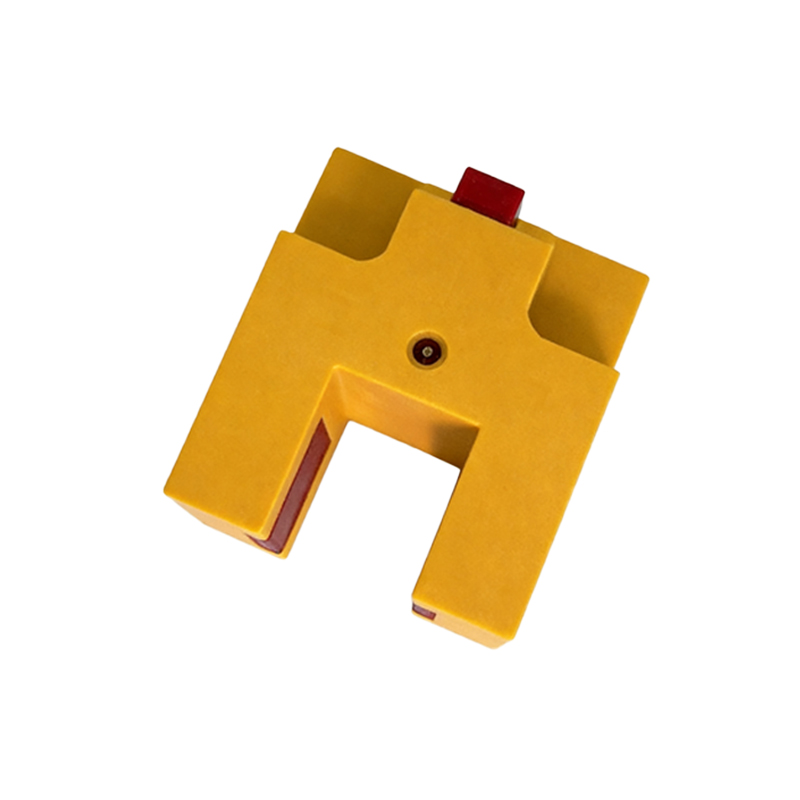
Applications in Industrial Automation
Smart photoelectric sensor centers are deployed across diverse industrial sectors, including automotive, food and beverage, pharmaceuticals, and logistics. In automotive assembly, they verify component presence in welding or painting stations, ensuring precise alignment. For packaging lines, they detect labels, seals, or fill levels at high speeds, reducing waste. In logistics, these sensors enable automated sortation by recognizing barcodes or package dimensions, while in food processing, they withstand washdown environments with IP69K-rated housings. Safety applications include light curtains for robot cell protection, where sensor arrays create invisible barriers to halt machinery upon intrusion. The centers’ adaptability is further demonstrated in transparent object detection—a challenge for traditional sensors—using polarized light or retro-reflective modes. By integrating with vision systems, they support defect inspection and color verification, enhancing overall product quality.
Benefits and Considerations
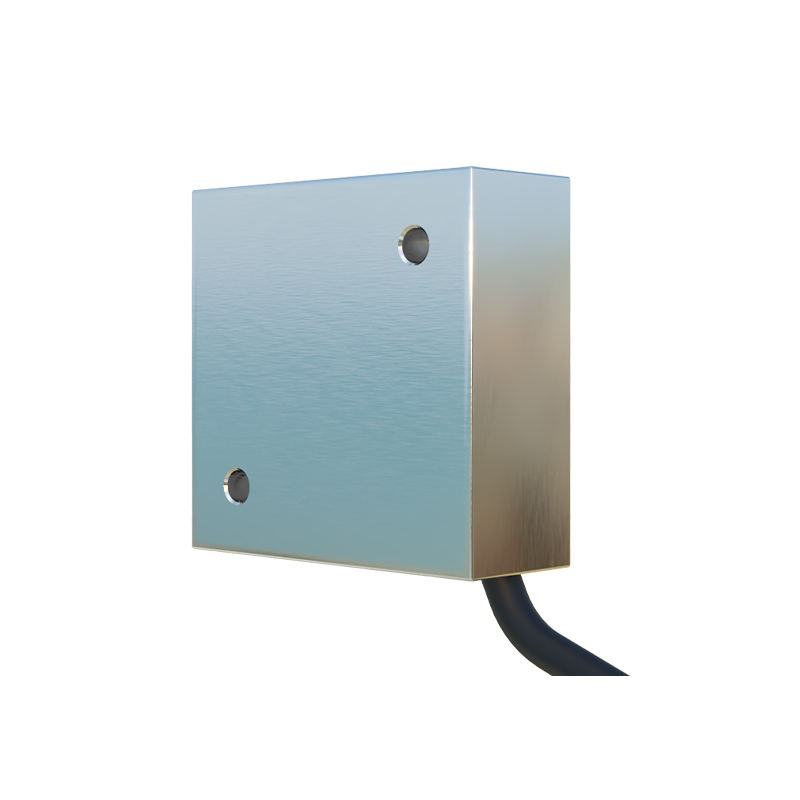
Adopting smart photoelectric sensor centers offers measurable benefits: increased uptime through self-diagnostics, reduced false triggers via adaptive thresholds, and lower maintenance costs due to predictive alerts. Their modular design allows easy replacement or upgrades without rewiring, while IO-Link provides detailed status data for predictive maintenance. However, engineers must consider factors like sensing range, target material reflectivity, and ambient light conditions during selection. For instance, laser sensors excel in long-distance applications (up to 100 meters), but require careful alignment. Cost analysis often reveals a rapid return on investment (ROI) through improved throughput and reduced scrap. Additionally, these sensors comply with international standards like IEC 60947-5-2, ensuring interoperability and safety.
Future Trends and Innovations
The evolution of smart photoelectric sensor centers is driven by trends in miniaturization, edge computing, and AI integration. Next-generation sensors will feature embedded neural networks for pattern recognition, enabling adaptive behavior in dynamic environments. Wireless connectivity, such as Bluetooth or 5G, will facilitate mobile setup and remote troubleshooting. Advancements in optical materials, like quantum dot photodetectors, promise higher sensitivity and lower power consumption. Furthermore, the convergence with digital twins allows virtual simulation of sensor behavior before installation, optimizing layout. As sustainability becomes paramount, energy-harvesting sensors using ambient light may reduce battery dependency. These innovations ensure that smart photoelectric sensor centers remain at the forefront of industrial automation, driving efficiency and innovation in a connected world.