Introduction to 24V Three-Wire Photoelectric Sensors
In industrial automation, reliability and precision are paramount. The 24V three-wire photoelectric sensor is a cornerstone component for non-contact detection in environments ranging from assembly lines to packaging systems. Operating at a standard 24V DC supply, these sensors utilize a three-wire configuration: power (brown), ground (blue), and output (black). This setup ensures stable performance with minimal wiring complexity, making them ideal for PLC integration. Unlike two-wire sensors, the three-wire design offers distinct advantages in noise immunity and load driving capability, crucial for high-speed applications.
Working Principle and Technical Specifications
The sensor operates by emitting a light beam (infrared, visible red, or laser) and detecting changes in reflection or interruption. Key specifications include sensing distance (ranging from 0.5m to 20m), response time (typically under 1ms), and output type (NPN or PNP). For 24V systems, NPN sinking outputs are common in Asia, while PNP sourcing outputs dominate European markets. Engineers must verify load current capacity—most models support up to 100mA. Additionally, IP67 ratings ensure dust and water resistance, critical for washdown environments.
Installation Best Practices for 24V Systems
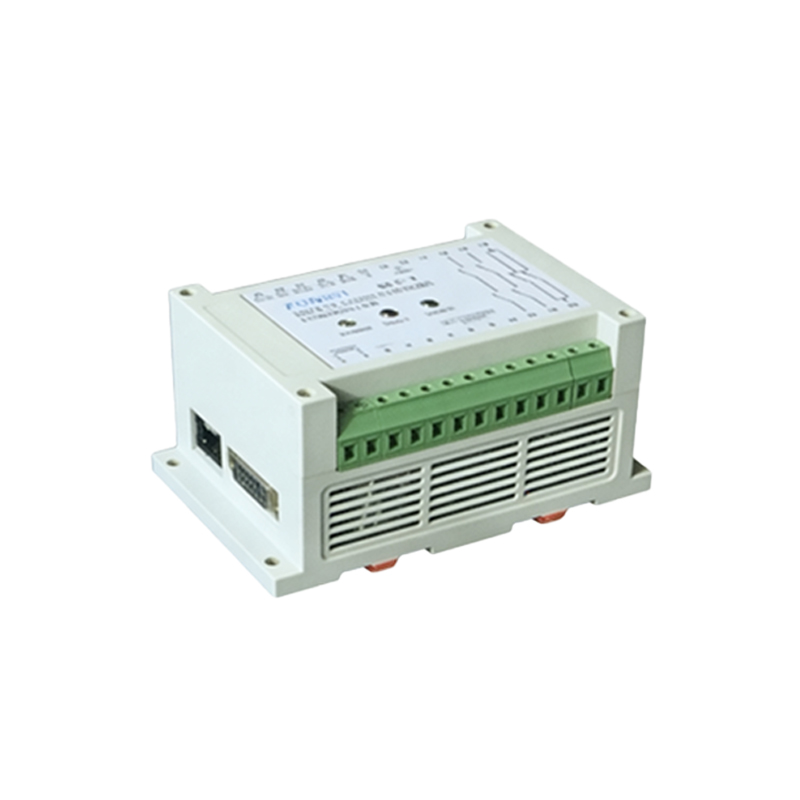
Correct wiring is essential. Connect brown to 24V DC+, blue to 0V, and black to the PLC input. Avoid running sensor cables parallel to high-voltage power lines to prevent electromagnetic interference. For through-beam models, align the emitter and receiver precisely; for diffuse models, consider background suppression features. Use shielded cables for distances over 5m. Always test with a multimeter: voltage between brown and blue should read 24V ±10%. A common mistake is reversing polarity, which can damage the sensor.
Common Applications in Industrial Settings
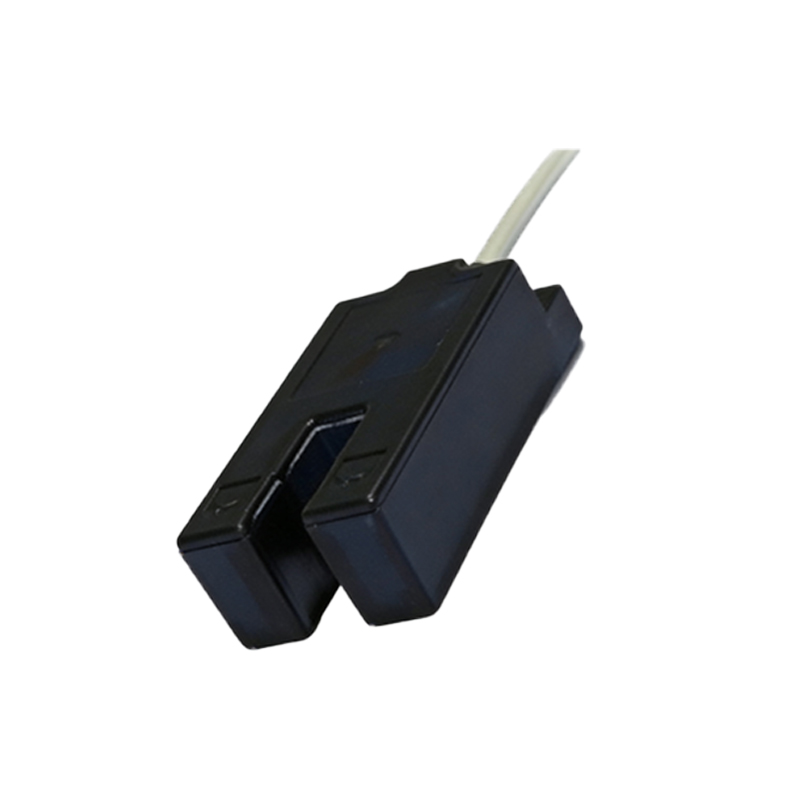
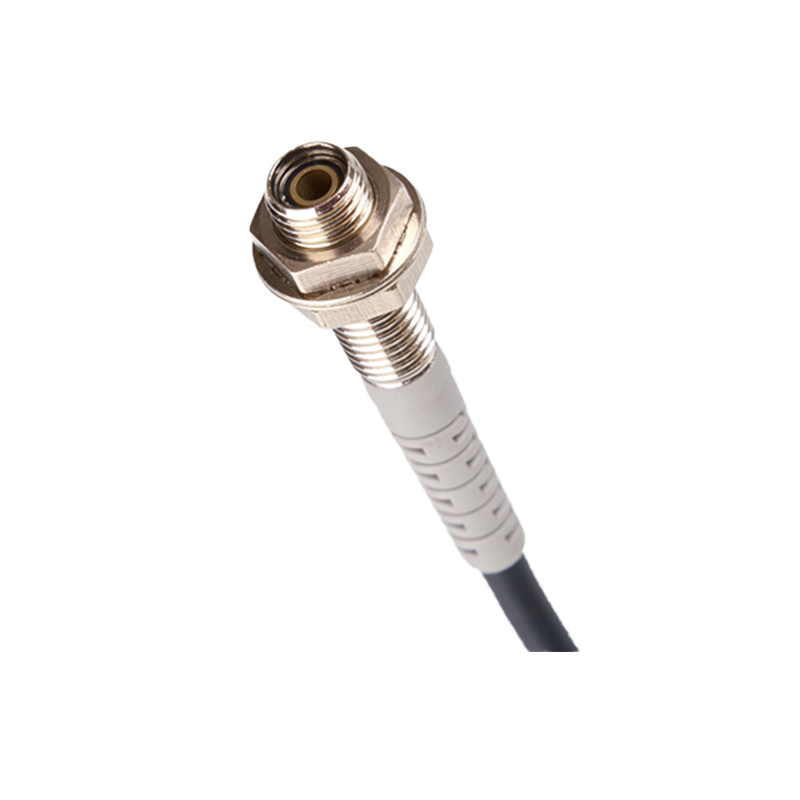
These sensors excel in object detection, counting, and position verification. Examples include monitoring conveyor belt gaps, detecting transparent bottles in beverage lines, and verifying part presence in robotic pick-and-place stations. Their 24V architecture integrates seamlessly with Siemens S7-1200 or Allen-Bradley CompactLogix controllers. For harsh environments, such as welding cells, fiber-optic versions with remote amplifiers are recommended to isolate electronics from heat and sparks.
Troubleshooting and Maintenance Strategies
When a sensor fails, start by checking the power supply—low 24V voltage due to voltage drop is a frequent issue. Clean optical lenses regularly; dust accumulation reduces sensing range by up to 40%. If output remains high or low, test with a known load. For intermittent failures, inspect connectors for corrosion. Advanced diagnostics: use an oscilloscope to check switching noise. Remember, the three-wire design simplifies replacement—just swap the sensor without rewiring the entire system.
Future Trends in Photoelectric Sensing
Emerging technologies include IO-Link communication for smart sensors, enabling parameter adjustment via PLC. 24V three-wire sensors now feature teach-in buttons for setting thresholds without a laptop. Also, multi-beam arrays reduce blind spots in complex geometries. As Industry 4.0 advances, these sensors will integrate with edge gateways for predictive maintenance, analyzing response time drifts to predict failure before downtime occurs.