Introduction to Photoelectric Sensors
Photoelectric sensors are essential devices in industrial automation, used to detect the presence, absence, or distance of objects through light emission and reception. These sensors operate based on optical principles, converting light signals into electrical outputs. Understanding the core components is critical for engineers to optimize system performance and troubleshoot issues effectively. The main elements include the emitter, receiver, optics, and signal processing circuitry, each playing a distinct role in ensuring reliable operation.
Emitter: Light Source and Modulation
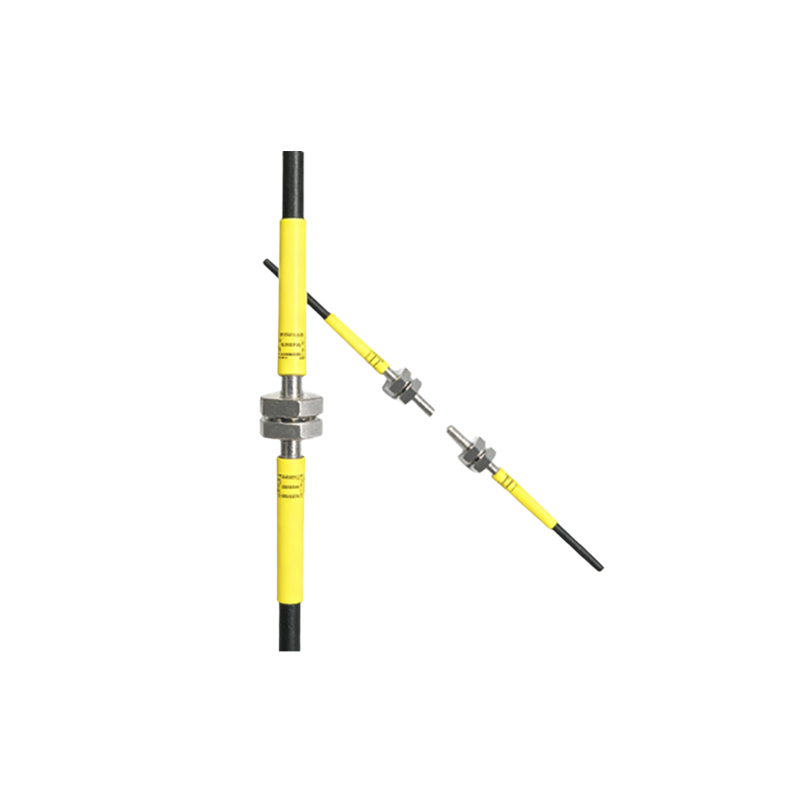
The emitter is the component responsible for generating the light beam. Common light sources include LEDs (light-emitting diodes) for visible or infrared light, and laser diodes for high-precision applications. The emitter often incorporates modulation circuits to pulse the light at specific frequencies, reducing interference from ambient light and enhancing detection accuracy. Engineers must consider wavelength, intensity, and modulation frequency based on the target material and environment, such as dusty or high-vibration settings.
Receiver: Photodetector and Amplification
The receiver captures the transmitted or reflected light and converts it into an electrical signal. Photodiodes or phototransistors are typical detectors, providing fast response times and high sensitivity. The receiver includes an amplifier stage that boosts the weak signal from the photodetector, filtering out noise before further processing. For through-beam and retro-reflective sensors, the receiver aligns precisely with the emitter, while diffuse sensors rely on scattered light, requiring careful gain adjustment.
Optics: Lens and Aperture Systems
Optical components shape and direct the light beam to achieve desired detection patterns. Lenses focus the beam into a narrow spot for long-range sensing or diffuse it for wide-area coverage. Apertures and shutters control the beam width and depth of field, minimizing blind spots and false triggers. Engineers often select optics based on the sensing distance and target size, using materials like acrylic or glass for durability in harsh industrial environments.
Signal Processing and Output Circuitry
The signal processing unit interprets the received light level and determines the sensor‘s state. It includes comparators, timers, and logic circuits to set thresholds for light-on or dark-on modes. Output circuitry provides standard industrial interfaces, such as NPN, PNP, or analog outputs, connecting to controllers like PLCs. Advanced models feature teach-in functions for automatic calibration, reducing setup time and ensuring consistent performance across varying conditions.
Housing and Environmental Protection
The sensor housing encloses all components, providing mechanical support and sealing against dust, moisture, and vibration. Materials like stainless steel or reinforced plastic are common, with IP ratings (e.g., IP67) indicating protection levels. Engineers must consider mounting options, such as through-hole or bracket systems, and cable entry types to fit specific applications. Proper housing design extends sensor life and maintains accuracy in demanding industrial settings.
Conclusion: Integration and Maintenance
Mastering these components—emitter, receiver, optics, signal processing, and housing—enables engineers to select, install, and maintain photoelectric sensors effectively. Regular inspection of optics for contamination, calibration of thresholds, and verification of wiring integrity are best practices for long-term reliability. As automation advances, understanding these core elements remains fundamental for optimizing sensor performance in manufacturing lines, packaging systems, and material handling operations.