2026-06-10
Tech Hub
By 创始人
Advancements in Passat Photoelectric Sensors for Industrial Automation
Overview of Passat Photoelectric Sensors in Modern Industry
Passat photoelectric sensors are integral components in industrial automation, offering high precision and reliability for object detection, positioning, and counting applications. These sensors utilize light beams to detect the presence, absence, or distance of objects without physical contact, reducing wear and tear. Their robust design ensures stable performance in harsh environments, such as dust, moisture, or extreme temperatures. Engineers favor Passat sensors for their long operational life and cost-effectiveness, making them a top choice for manufacturing lines, packaging systems, and material handling processes.
Key Technical Features and Operating Principles
Passat photoelectric sensors operate based on three primary detection modes: through-beam, retro-reflective, and diffuse reflection. Through-beam sensors offer the longest detection range and highest accuracy, using a separate emitter and receiver. Retro-reflective sensors detect objects by sensing the reflection from a reflector, ideal for medium-range applications. Diffuse sensors rely on the object's own reflection, perfect for short-range, cost-sensitive tasks. All models feature advanced signal processing to filter out ambient light interference, ensuring consistent output. Additionally, they support various output types, including NPN, PNP, and analog, simplifying integration with PLCs and other controllers.
Selection Criteria for Industrial Applications
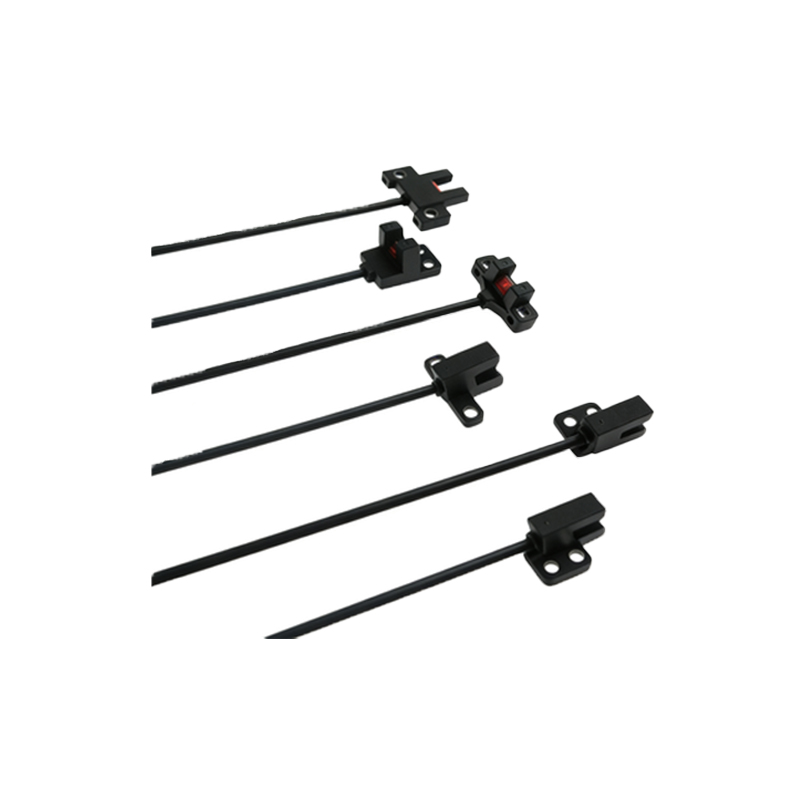
When selecting a Passat photoelectric sensor, engineers must consider factors like detection distance, object material, color, and environmental conditions. For transparent or glossy objects, retro-reflective sensors with polarizing filters are recommended to avoid false triggers. In dusty or humid settings, sensors with IP67 or higher ratings provide necessary protection. Response time is critical for high-speed lines, where sensors with fast switching frequencies (e.g., 1 kHz) excel. Additionally, cable length and connector types should match existing infrastructure to minimize installation costs. Passat offers customization options to meet specific industry standards, such as food-grade stainless steel housings for hygienic zones.
Integration and Troubleshooting Best Practices
Proper mounting alignment is crucial for optimal performance: for through-beam sensors, ensure the emitter and receiver are precisely aligned. In retro-reflective setups, avoid shiny surfaces near the reflector to prevent false detection. Use shielded cables and grounding to reduce electromagnetic interference in noisy industrial environments. Common issues include lens contamination, which can be resolved with regular cleaning using isopropyl alcohol. For intermittent failures, check power supply stability and cable connections. Passat provides diagnostic LEDs on most models to indicate output status and alignment quality, simplifying troubleshooting. For complex systems, refer to the application notes for relay logic or analog output calibration.
Future Trends and Maintenance Considerations
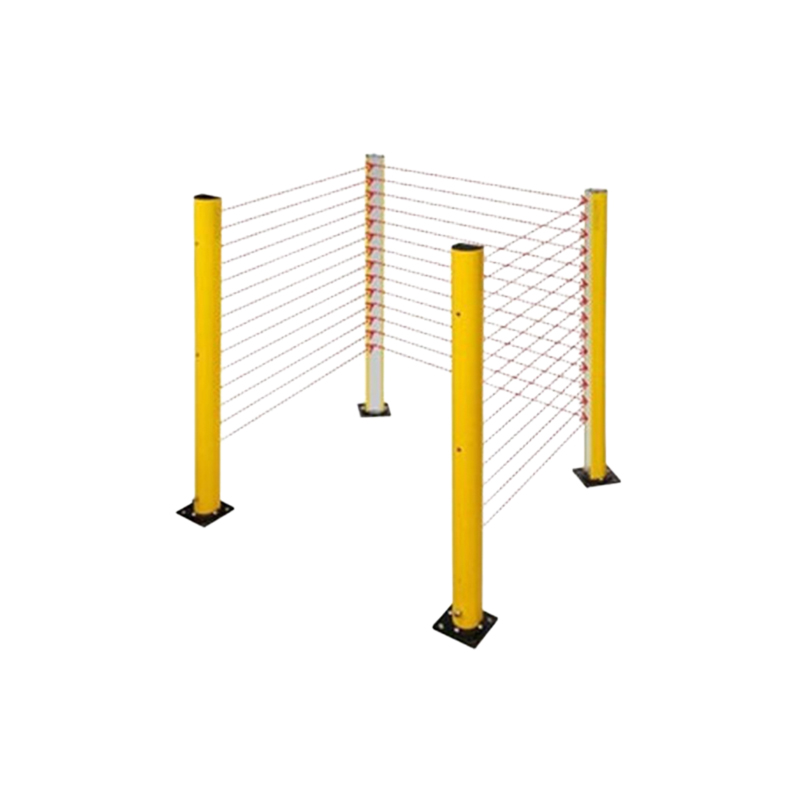
The evolution of Industry 4.0 is driving Passat sensors toward smart features, such as IO-Link communication for real-time data transmission and remote parameter adjustments. Predictive maintenance is facilitated by built-in health monitoring, alerting operators to potential failures before downtime occurs. To extend sensor lifespan, schedule periodic inspections, especially in high-vibration areas where mountings may loosen. Keep spare units for critical systems to guarantee uninterrupted production. As sensor technology advances, upgrading to models with improved ambient light rejection and faster response times can significantly enhance overall equipment effectiveness (OEE).