Introduction to Detection Distance in Photoelectric Sensors
Detection distance is a critical parameter for photoelectric sensors, defining the maximum range at which a sensor can reliably detect an object. In industrial automation, this distance varies based on sensor type, target material, and environmental conditions. For electrical engineers, selecting the correct detection distance ensures operational efficiency and reduces false triggers. Common types include through-beam, retro-reflective, and diffuse sensors, each offering distinct distance capabilities. Through-beam sensors achieve the longest ranges, often exceeding 30 meters, while diffuse sensors are limited to shorter distances, typically under 2 meters. Understanding these differences is essential for system design.
Factors Influencing Detection Range
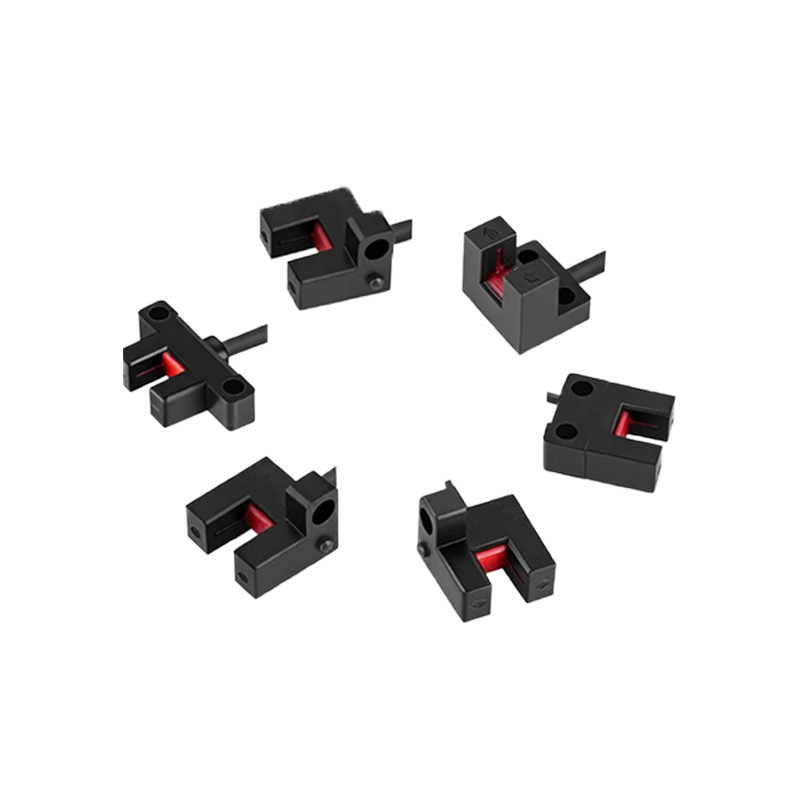
Several factors affect the effective detection distance of photoelectric sensors. Target reflectivity plays a major role; shiny objects like metals extend range, while dark or matte surfaces reduce it. Ambient light, including sunlight or artificial illumination, can interfere with sensor performance, especially in outdoor installations. Sensor alignment is also crucial: misalignment reduces detection distance by diffusing the beam. Additionally, dust, fog, or condensation on the lens attenuates the light signal, decreasing range. Engineers must account for these variables when specifying sensors for harsh environments, such as factories with high particulate levels.
Selecting the Right Sensor for Required Distance
Choosing a photoelectric sensor involves matching its detection distance to the application's needs. For long-range detection, through-beam sensors are ideal for conveyor belt monitoring or warehouse entry points. Retro-reflective sensors offer a balance, with ranges up to 10 meters, suitable for packaging lines. Diffuse sensors are preferred for short-range tasks like detecting clear bottles, where background suppression is necessary. Engineers should also consider response time and output type, such as NPN or PNP, to integrate seamlessly into control systems. Always verify manufacturer specifications under real-world conditions.
Calibration and Adjustment Techniques
Proper calibration optimizes detection distance in practice. Most sensors include a sensitivity adjustment potentiometer or teach-in function, allowing engineers to fine-tune the threshold. For retro-reflective sensors, aligning the reflector precisely with the emitter is key to maximizing range. In diffuse sensors, advanced models offer background suppression to ignore distant objects, focusing on a specific distance window. Regular maintenance, including cleaning lenses and checking alignment, prevents drift. Using a test target that mimics the actual production item ensures reliable performance throughout the sensor's life.
Common Challenges and Solutions
Electrical engineers frequently face challenges with detection distance in noisy industrial settings. One issue is crosstalk between multiple sensors in close proximity, which can be mitigated by using modulated light frequencies or alternating sensor mounting. Another challenge is detecting transparent or translucent objects, which requires specialized sensors with polarizing filters or coaxial optics. For extreme conditions, like high-temperature areas, fiber optic photoelectric sensors with remote amplifiers extend detection distance while protecting electronics. Always refer to datasheets for derating factors when operating near maximum specified distances.
Conclusion and Best Practices
Mastering detection distance in photoelectric sensors enhances automation reliability. Engineers should prioritize sensor selection based on actual environmental and target characteristics, rather than theoretical maximums. Implementing redundant sensors for critical applications guards against failure. Documenting calibration settings and performing periodic checks maintain performance over time. By understanding the interplay of distance, reflectivity, and interference, professionals can design robust systems that minimize downtime and improve throughput in manufacturing lines.