Introduction to Infrared Photoelectric Sensors
Infrared photoelectric sensors are widely used in industrial automation for object detection, counting, and positioning. These sensors utilize infrared light to detect the presence, absence, or distance of objects, making them essential in manufacturing lines, packaging, and material handling. While they offer distinct advantages, they also come with limitations that engineers must evaluate for optimal performance.
Key Advantages of Infrared Photoelectric Sensors
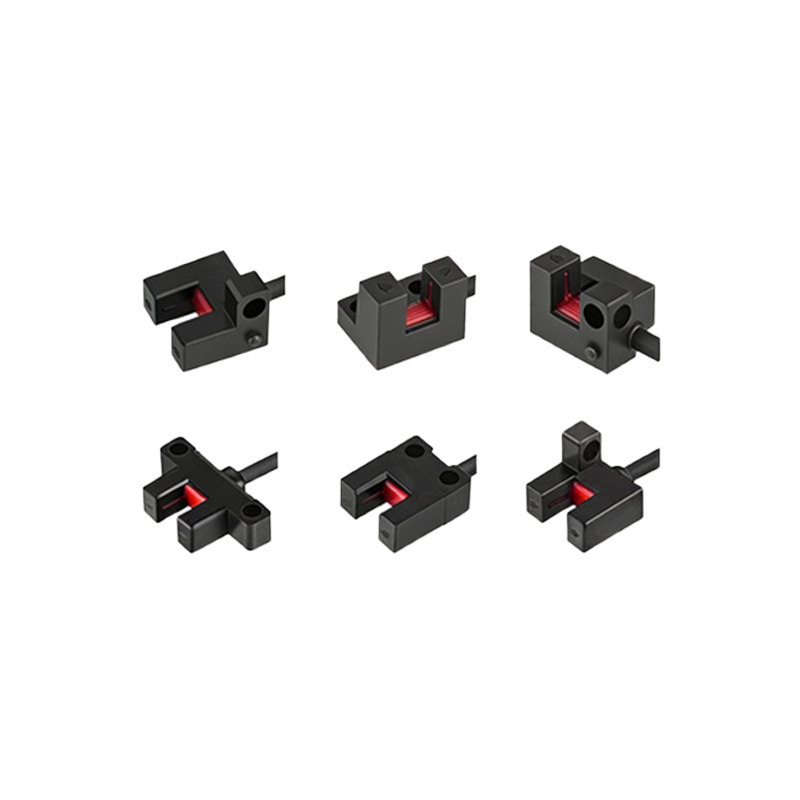
One major advantage is their ability to detect a wide range of materials, including transparent, opaque, and reflective objects. Infrared sensors perform well in dusty or smoky environments where visible light sensors might fail. They also provide long detection ranges, up to several meters, without physical contact, reducing wear and tear. Their response time is fast, enabling high-speed automation processes. Additionally, they are cost-effective compared to laser or ultrasonic sensors, with simple installation and integration into existing PLC systems.
Limitations and Drawbacks
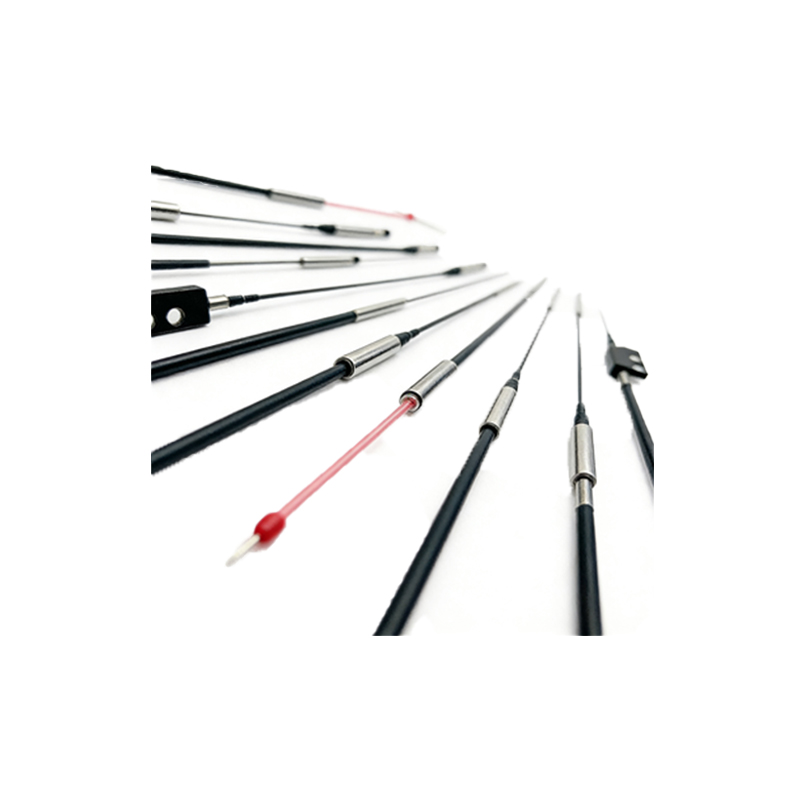
Despite their benefits, infrared photoelectric sensors have notable drawbacks. They are susceptible to interference from ambient infrared sources, such as sunlight or heat lamps, which can cause false triggers. Their performance degrades in highly reflective surfaces or when dealing with glossy objects, leading to detection errors. Furthermore, they cannot accurately detect objects with low infrared reflectivity, like black or dark-colored materials. Environmental factors like fog, rain, or extreme temperature fluctuations can also reduce reliability. These sensors generally have limited sensing precision compared to laser alternatives, making them unsuitable for micron-level applications.
Application Scenarios and Best Practices
Infrared photoelectric sensors excel in applications like conveyor belt object counting, packaging line fill-level detection, and pallet positioning. For best results, engineers should select sensors with adjustable sensitivity and output type (e.g., NPN/PNP). Proper mounting away from direct sunlight and using shields or filters can mitigate ambient light interference. In dusty environments, periodic cleaning of lenses is recommended. When detecting dark or transparent objects, choose through-beam or retro-reflective models rather than diffuse ones. Testing under actual operating conditions is crucial to validate performance.
Comparison with Other Sensor Technologies
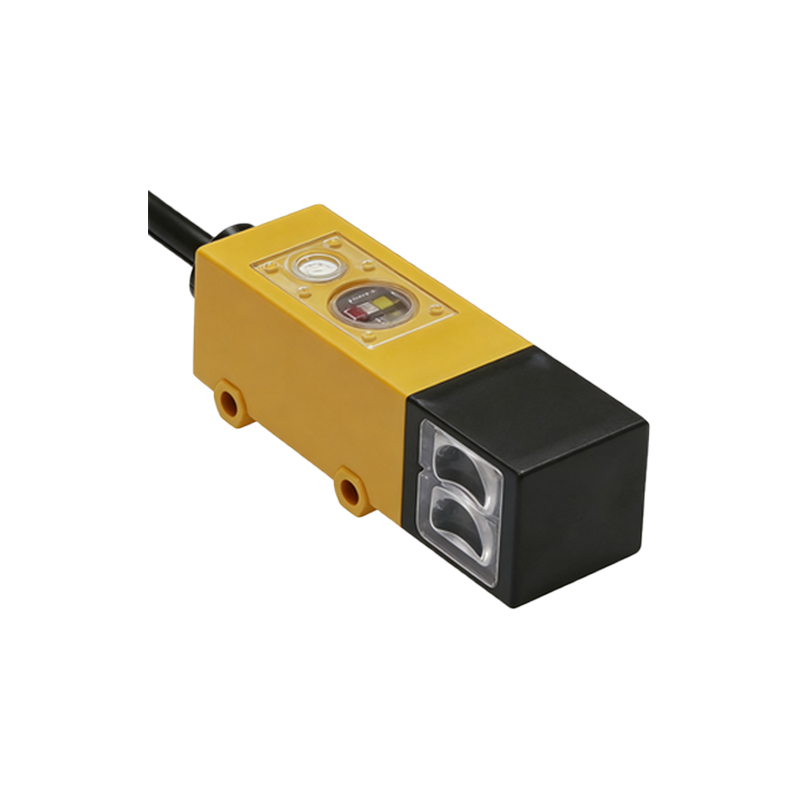
Compared to inductive sensors, infrared photoelectric sensors detect non-metallic objects but have shorter range when detecting metals. They are less accurate than laser sensors for precision tasks but offer broader cost benefits. Ultrasonic sensors handle liquid levels and extreme conditions better, but infrared sensors provide faster response times for solid object detection. For applications requiring immunity to dust or light, capacitive sensors may outperform, though at higher cost. Engineers must weigh these trade-offs based on specific automation needs.
Conclusion and Recommendations
Infrared photoelectric sensors are reliable and versatile tools in industrial automation, offering a balance of cost, range, and material compatibility. However, their limitations in ambient light sensitivity and dark object detection require careful system design. For standard automation tasks, they remain a top choice. For demanding environments, consider hybrid sensor solutions or advanced models with built-in compensation. Regular maintenance and calibration ensure long-term accuracy.