Introduction to Photoelectric Sensors in Web Guiding
Photoelectric sensors are critical components in modern web guiding systems, particularly for industrial applications requiring precise alignment of material webs. As an electrical engineer specializing in automation, I often specify these sensors for controlling the lateral position of continuous materials like paper, film, textiles, and metal foils. Their non-contact detection principle ensures minimal wear and high reliability, even in harsh environments with dust, vibration, or varying light conditions. The core advantage lies in their ability to detect edge positions with sub-millimeter accuracy, enabling real-time feedback to servo-driven guides.
How Photoelectric Sensors Operate in Guiding Systems
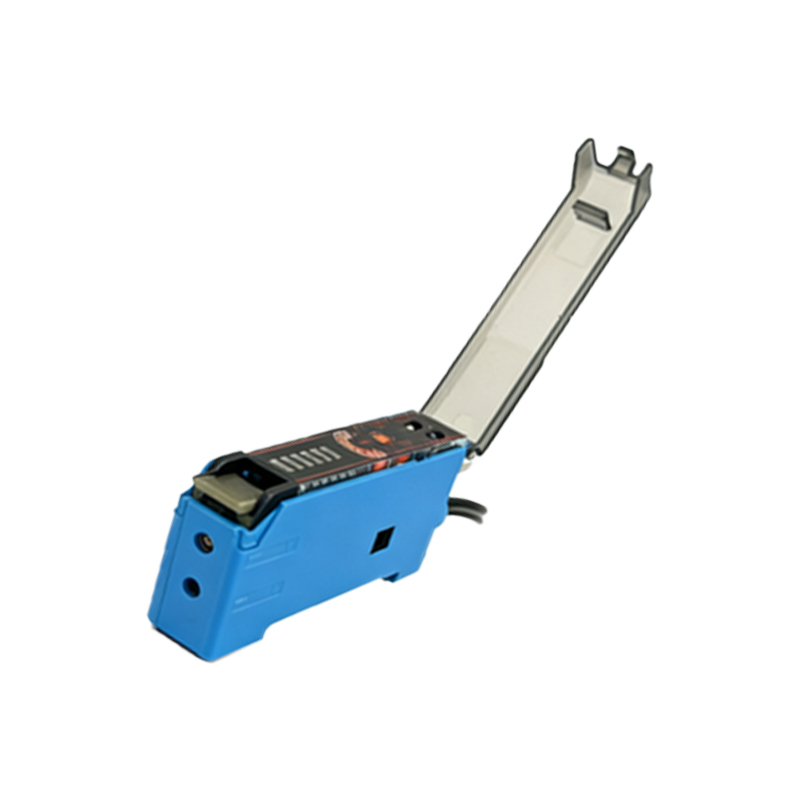
In a typical web guiding setup, photoelectric sensors emit a light beam (e.g., infrared or visible red) toward a receiver, with the material web interrupting or reflecting part of the beam. The sensor outputs an analog or digital signal proportional to the web's edge offset. For transparent or low-contrast materials, through-beam sensors offer robust detection, while diffuse reflective sensors suit opaque webs. My field experience shows that selecting the correct sensing mode is vital: for glossy films, polarized retro-reflective sensors eliminate false readings from surface reflections. The sensor’s response time, typically under 1 ms, must match the web speed and correction actuator dynamics.
Key Technical Parameters for Industrial Selection
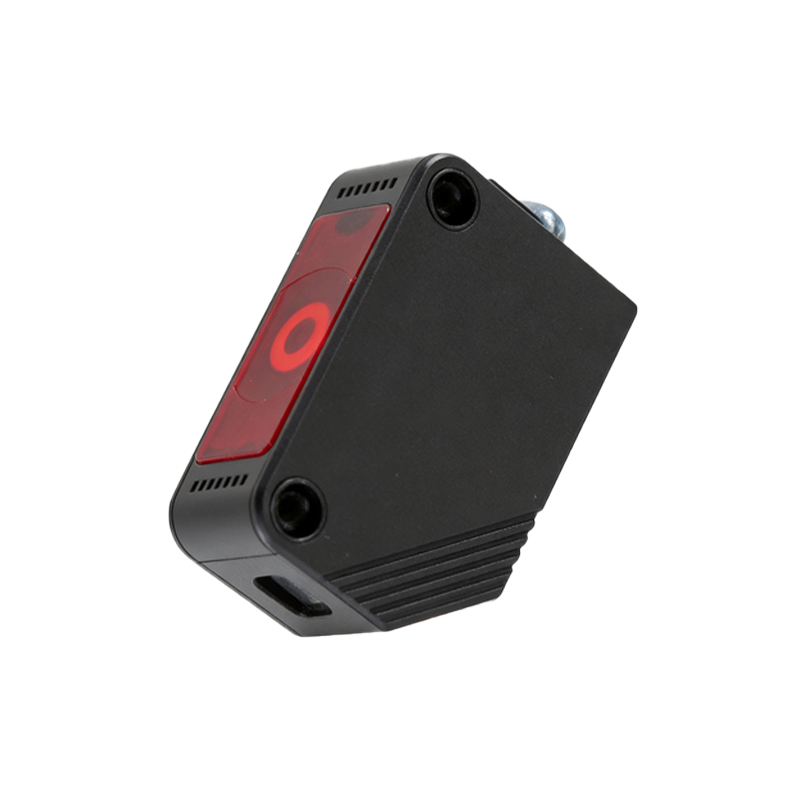
When integrating photoelectric sensors into a web guiding system, engineers must evaluate several parameters: sensing range (typically 2 mm to 10 m), output type (0-10 V, 4-20 mA, or IO-Link), and ambient light immunity. In steel mills, I recommend sensors with IP67 protection and temperature ratings up to 80°C. For high-speed lines exceeding 500 m/min, sensors with a fast switching frequency (above 10 kHz) prevent lag-induced errors. Additionally, the sensor’s light spot size—narrow beams (e.g., 0.5 mm) for fine edge detection—directly impacts correction accuracy in narrow-web applications.
Common Challenges and Troubleshooting Tips
From my maintenance logs, common failure modes include misalignment due to thermal expansion, contamination on optical surfaces, and electrical noise from nearby inverters. To mitigate these, I advise using sensors with built-in diagnostic LEDs and automatic gain control. Regular cleaning schedules using lint-free cloths and isopropyl alcohol extend sensor life. For EMI issues, shielded cables and ferrite cores on sensor lines reduce interference. Always verify sensor alignment during installation using a laser alignment tool to ensure the beam is perpendicular to the web edge.
Future Trends: Smart Sensors and Industry 4.0 Integration
The latest generation of photoelectric sensors now features IO-Link communication, enabling real-time parameter adjustment and predictive maintenance alerts. In a recent project for a packaging line, we deployed sensors with onboard data logging to analyze edge drift patterns, reducing waste by 15%. Additionally, multi-pixel array sensors can detect multiple web edges simultaneously, ideal for slitting or laminating processes. As Industry 4.0 expands, sensors with EtherNet/IP or PROFINET interfaces will become standard, allowing seamless integration into cloud-based monitoring systems.