1. Introduction to Photoelectric Sensor Teaching Kits
Photoelectric sensors are fundamental components in modern industrial automation, converting light signals into electrical outputs for object detection, counting, and positioning. For electrical engineering students and trainees, hands-on experience with teaching kits is crucial to understand principles like light emission, reception, modulation, and interference suppression. This article explores various types of photoelectric sensor teaching kits commonly used in laboratories and workshops, emphasizing their design, functionality, and educational value. Each kit typically includes a transmitter, receiver, control unit, and sometimes a microcontroller for data acquisition and analysis. The goal is to bridge theoretical knowledge with practical skill development.
2. Through-Beam Sensor Teaching Kit
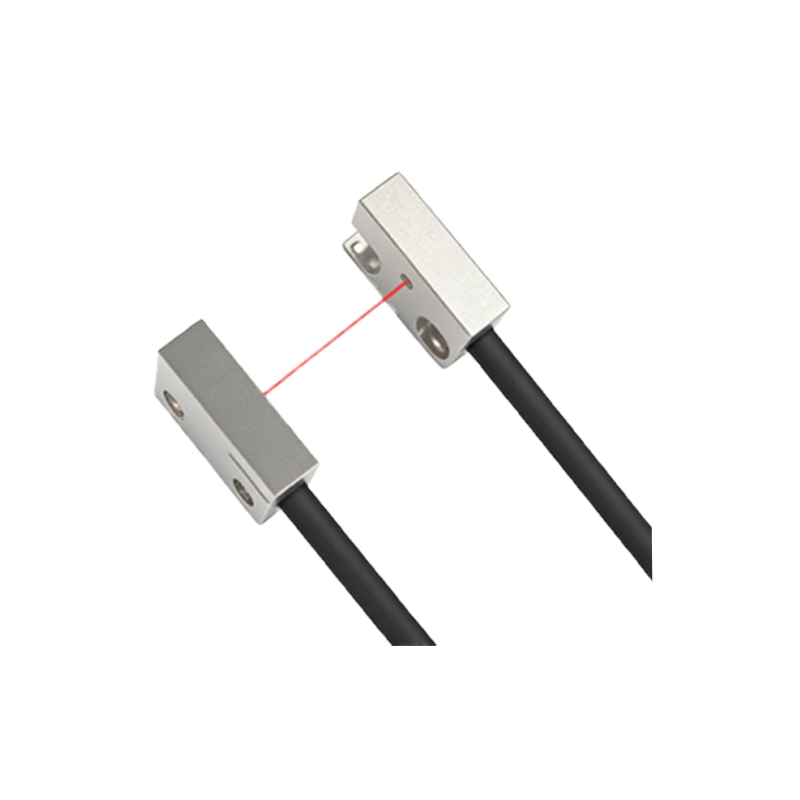
The through-beam sensor kit is one of the most basic yet essential tools. It consists of a separate light-emitting unit (usually an infrared LED or laser diode) and a photodetector (phototransistor or photodiode) aligned face-to-face. When an object breaks the beam, the output signal changes, teaching students about binary detection. The kit often includes adjustable mounting brackets, power supply modules, and a display (e.g., LED or buzzer) to indicate status. This kit helps learners grasp concepts like alignment sensitivity, beam divergence, and response time. It is ideal for demonstrating simple counting or object presence detection in conveyor belt simulations.

3. Retro-Reflective Sensor Teaching Kit
A retro-reflective sensor kit integrates the emitter and receiver in one housing, using a reflector to bounce the light back. This design teaches students about light reflection, polarization, and the use of filters to avoid false triggers from shiny surfaces. The kit typically includes a polarized reflector, a sensor head with built-in electronics, and a test object (e.g., a metal plate or cardboard). Educational exercises include adjusting the sensing distance, understanding hysteresis, and troubleshooting misalignment. It is widely used in labs to simulate applications like sorting machines or automated door systems.
4. Diffuse Reflective Sensor Teaching Kit
The diffuse reflective sensor kit operates by detecting light reflected directly from the target object, without a separate reflector. This kit is more complex because it must differentiate between targets with different reflectivity and colors. Components usually include an adjustable sensitivity potentiometer, a background suppression feature, and a teach-in button for calibration. Students learn about diffuse reflection, contrast detection, and how to set thresholds for reliable detection. Exercises often involve detecting transparent objects, dark surfaces, or varying distances, making this kit valuable for advanced training in material sensing.
5. Fiber Optic Sensor Teaching Kit
Fiber optic sensor kits use flexible optical fibers to transmit light to and from the sensing area, enabling detection in confined or hazardous environments. The kit includes a fiber optic amplifier (with digital display for power level), interchangeable fiber heads (e.g., through-beam or diffuse types), and mounting accessories. This teaches students about light propagation in fibers, signal attenuation, and the effects of bending radius. Practical lab tasks include setting up a tiny object detection system or measuring liquid levels. It is an excellent tool for introducing photonics in electrical engineering curricula.
6. Programmable Smart Sensor Kit with Microcontroller Integration
For more advanced education, a programmable smart sensor kit includes a photoelectric sensor module connected to a microcontroller (e.g., Arduino or Raspberry Pi). The kit provides a sensor shield, cables, and sample code for tasks like pulse counting, analog output reading, or network communication (I2C/SPI). Students learn to program sensor thresholds, implement digital filters, and visualize data on a computer. This kit bridges sensor hardware with embedded systems, preparing students for Industry 4.0 applications. Typical projects include building a smart traffic light or a quality inspection system.
7. Conclusion and Educational Recommendations
Selecting the right photoelectric sensor teaching kit depends on the educational level and learning objectives. Beginner courses should start with through-beam and retro-reflective kits to build foundational knowledge, while advanced programs can incorporate fiber optic and programmable kits. Each kit should include a printed manual, wiring diagrams, and safety instructions. Integrating these kits into lab sessions enhances problem-solving skills and prepares students for real-world automation challenges. For optimal learning, instructors should combine demonstrations with hands-on experiments, emphasizing error analysis and component selection.