Introduction to Photoelectric Sensors in Belt Conveyors
In modern material handling, belt conveyors are critical for efficient transport across industries like mining, logistics, and manufacturing. As an electrical engineer, integrating photoelectric sensors enhances system reliability and safety. These non-contact sensors detect objects, monitor belt alignment, and prevent jams, reducing downtime. This article provides a technical overview of installation, wiring, and troubleshooting, tailored for industry professionals.
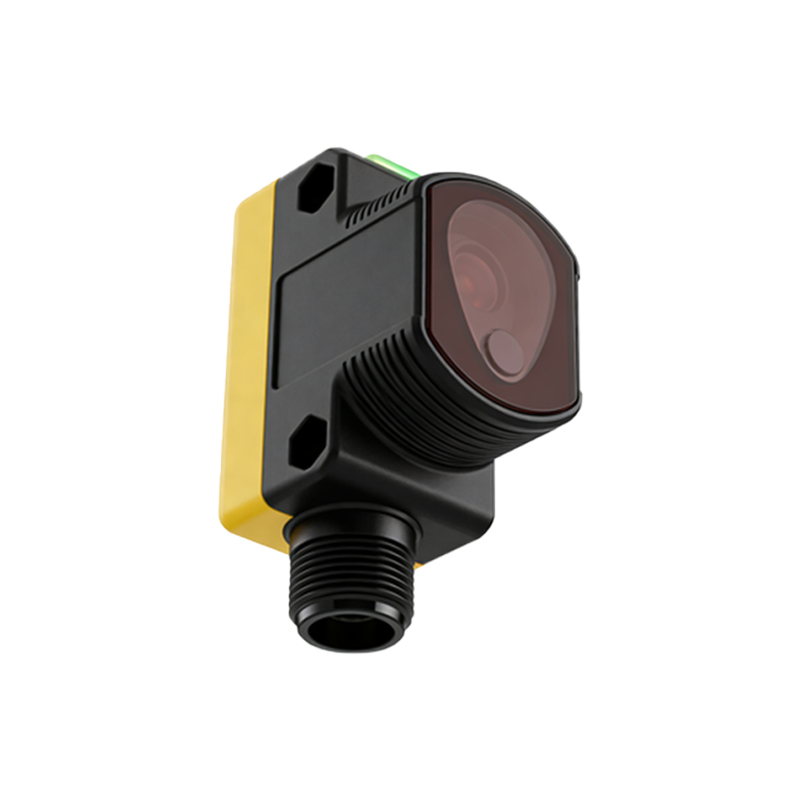
Key Benefits of Photoelectric Sensors
Photoelectric sensors offer several advantages for belt conveyor systems. First, they improve operational efficiency by detecting product flow and triggering automated actions, such as stopping the belt when a blockage occurs. Second, they enhance safety by monitoring belt breakage or misalignment, preventing accidents. Third, they are durable with IP67 ratings, resisting dust and moisture common in harsh environments. For example, using a through-beam sensor at the loading point ensures accurate counting of items, while a retro-reflective sensor at the discharge end verifies complete transfer.
Selection Criteria for Compatible Sensors
Choosing the right sensor requires careful consideration. Key factors include sensing range, response time, and environmental conditions. For long distances up to 10 meters, through-beam sensors are ideal. For reflective surfaces, use polarized retro-reflective sensors to avoid false triggers. In dusty or vibrating setups, diffuse sensors with background suppression work best. Additionally, ensure the sensor output matches the PLC input, such as PNP or NPN types, and select a supply voltage of 24 VDC for standard industrial control systems.
Installation and Wiring Best Practices
Proper installation is crucial for reliable performance. Mount sensors at a 90-degree angle to the belt surface to avoid misalignment. For belt tracking sensors, place them at both edges to detect drift. Use shielded twisted-pair cables to minimize electrical noise from motors and drives. Connect the sensor to a programmable logic controller (PLC) via a terminal block, following the wiring diagram: brown wire for +24V, blue for 0V, and black for signal output. Always test with a multimeter to confirm voltage levels before powering up.
Common Applications and Troubleshooting
Typical applications include material presence detection, belt speed monitoring, and jam prevention. For instance, a photoelectric sensor at the conveyor tail can trigger an alarm if the belt stops unexpectedly. Troubleshooting common issues: If the sensor fails to detect, check for lens contamination or misalignment. Use a cleaning cloth with isopropyl alcohol for dirty lenses. If false signals occur, adjust the sensitivity potentiometer or shield the sensor from ambient light. For wiring faults, verify continuity with an ohmmeter and inspect for loose connections.
Maintenance and Longevity Tips
Regular maintenance extends sensor life. Schedule monthly inspections to clean lenses and check cable integrity. Replace worn-out sensors with the same model to ensure compatibility. In high-vibration areas, use vibration-dampening mounts to prevent mechanical stress. For extreme temperatures, select sensors with a wider operating range, such as -25°C to 70°C. Document all sensor settings and wiring diagrams for future reference, facilitating quicker repairs during system shutdowns.