Laser measurement sensors, particularly those utilizing Laser Measurement System (LMS) technology, represent a cornerstone of modern industrial automation and precision metrology. These devices operate on the principle of time-of-flight or phase-shift measurement, emitting a laser beam towards a target and calculating distance based on the time or phase difference of the reflected signal. Unlike simple proximity sensors, LMS sensors are capable of high-accuracy, non-contact measurement over considerable ranges, often with sub-millimeter precision.
The core component of an LMS sensor is a laser diode, typically in the visible red or infrared spectrum. This diode emits a focused beam of coherent light. A photodetector within the sensor housing captures the light reflected from the target object. Sophisticated internal electronics then analyze the signal. In time-of-flight systems, an ultra-precise clock measures the interval between emission and reception. Given the constant speed of light, distance is calculated directly from this time interval. Phase-shift systems, often used for even higher accuracy at shorter ranges, modulate the laser beam's intensity with a known frequency and measure the phase difference between the emitted and received modulated signal.
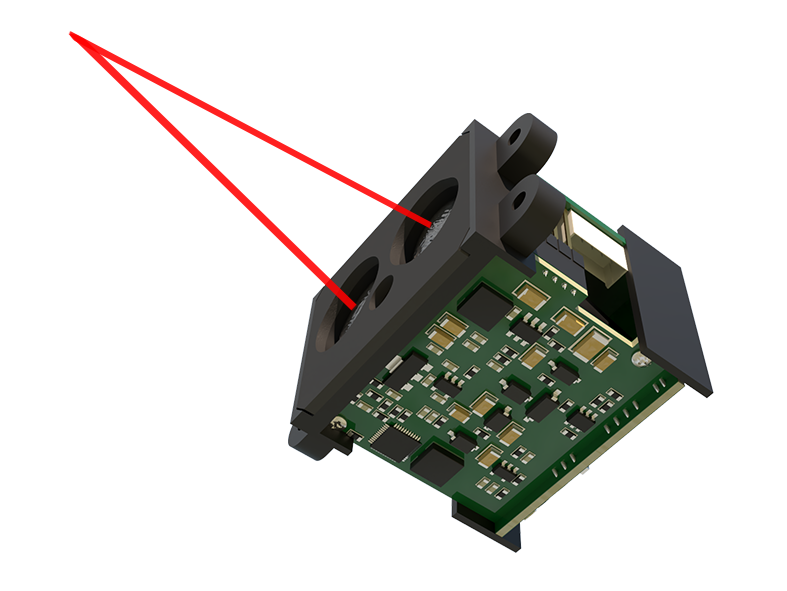
Environmental robustness is a critical design factor for industrial LMS sensors. They are commonly housed in ruggedized casings with ingress protection ratings like IP67, making them resistant to dust, moisture, and mechanical shock. Internal temperature compensation circuits are essential to maintain accuracy despite ambient temperature fluctuations in factory settings. Many models also feature integrated heating elements for operation in sub-zero conditions. The choice of laser class (usually Class 2 or Class 1 with appropriate housing) ensures eye safety during operation.
The applications of LMS sensors are vast and varied. In material handling and logistics, they are indispensable for warehouse automation, performing tasks such as pallet dimensioning, height detection for automated storage and retrieval systems, and contour profiling for robotic depalletizing. Their ability to provide a single-point measurement or, when scanned, a full profile line, makes them versatile. In the automotive industry, these sensors verify gap and flush dimensions between body panels, ensuring build quality. They guide robots in precise welding and assembly operations by providing real-time positional feedback.
Another significant application is in level monitoring within silos, tanks, and hoppers. An LMS sensor mounted at the top can continuously and accurately measure the distance to the surface of bulk solids or liquids, enabling inventory management and process control without physical contact with the material. In forestry and agriculture, vehicle-mounted LMS systems profile terrain and measure crop or timber volume. Furthermore, they play a crucial role in collision avoidance for automated guided vehicles (AGVs) and mobile robots, creating a safety zone by monitoring the distance to obstacles.
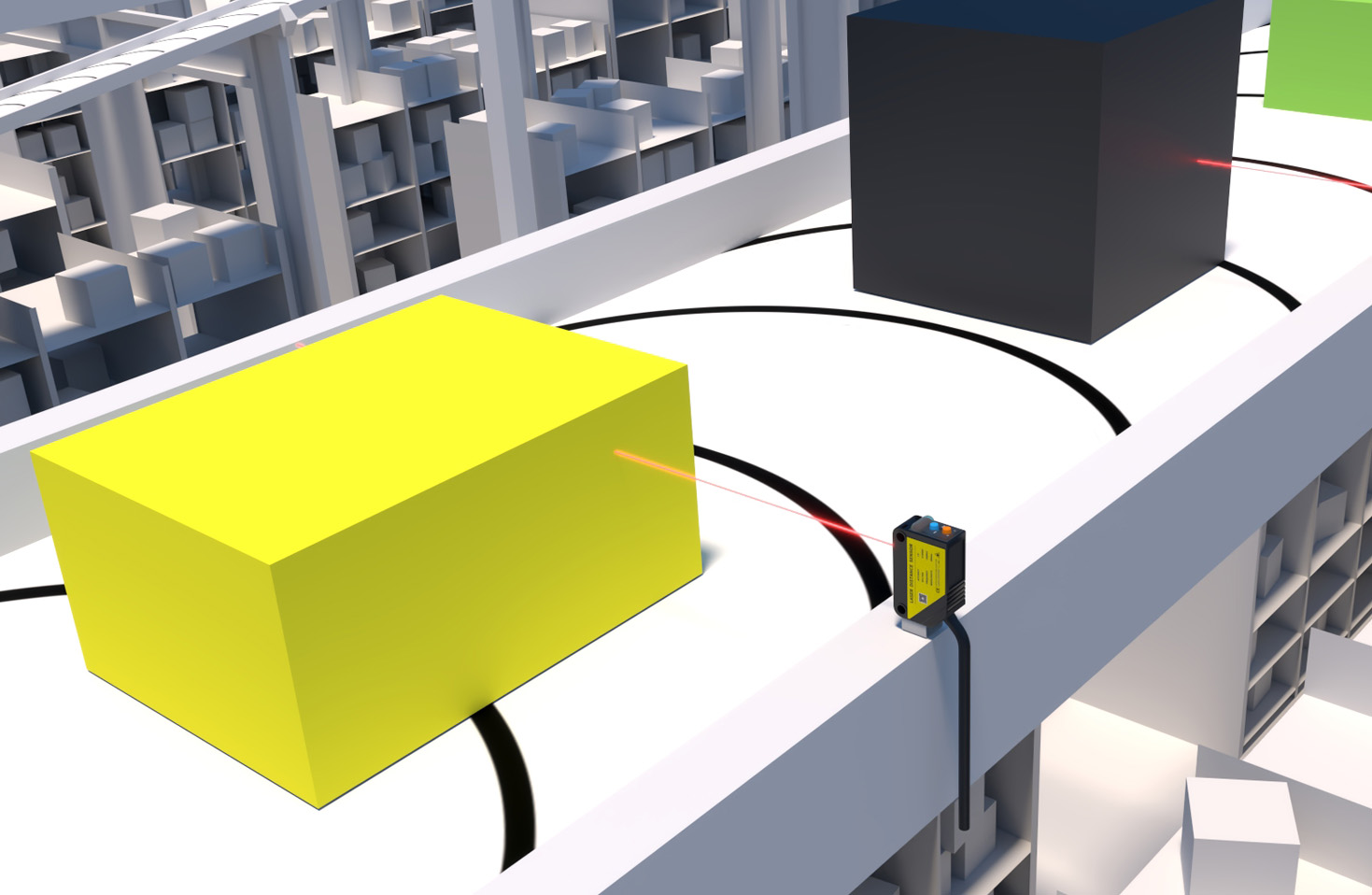
When integrating an LMS sensor into a system, several technical parameters must be considered. The measuring range defines the minimum and maximum distances over which the sensor can operate reliably. Accuracy and repeatability specify the tolerance of measurements. The laser spot size influences resolution, especially on uneven surfaces. Response time, or the frequency of measurements per second, determines how well the sensor can track moving objects. Output interfaces are also key, with common options including analog voltage/current, digital interfaces like RS-232 or RS-485, and industrial Ethernet protocols such as PROFINET or EtherNet/IP for seamless integration into programmable logic controller (PLC) networks.
Compared to alternative technologies like ultrasonic sensors, LMS sensors offer superior precision, a smaller beam spot, and are less affected by environmental noise or air turbulence. Versus vision systems, they provide direct, unambiguous distance data with less computational overhead, though they lack the full 2D/3D contextual information of a camera. The choice ultimately depends on the specific requirement for accuracy, speed, environmental conditions, and cost.
Future developments in LMS technology are focusing on increasing measurement speed and accuracy while reducing unit size and power consumption. The integration of more intelligent onboard processing, such as edge computing capabilities for basic data filtering and object classification, is also a growing trend. This allows for simpler integration and reduced load on central control systems. As industries continue to push towards greater automation and data-driven process optimization, the role of reliable, high-performance laser measurement sensors will only become more pronounced, providing the essential eyes for machines in an increasingly automated world.