In the realm of industrial automation, robotics, and smart devices, the ability to detect the presence, absence, or position of an object without physical contact is fundamental. Among the various technologies enabling this capability, mix proximity sensors stand out as a versatile and powerful solution. Unlike single-technology sensors, a mix proximity sensor integrates two or more sensing principles into a single unit, offering enhanced reliability, accuracy, and functionality for complex applications.
The core idea behind mix proximity sensors is to combine the strengths of different technologies while mitigating their individual weaknesses. Common sensing technologies include inductive, capacitive, ultrasonic, and photoelectric (optical) methods. An inductive sensor, for instance, excels at detecting metallic objects but is blind to non-metals. A capacitive sensor can detect both metallic and non-metallic materials but can be influenced by environmental factors like humidity. By fusing these technologies, a mix sensor can provide a more robust detection profile. For example, a sensor combining inductive and capacitive elements can first identify if an object is metallic and then, if not, switch to capacitive mode to confirm the presence of a non-metallic material like plastic, wood, or liquid. This dual-validation drastically reduces false triggers and increases system reliability.
The architecture of a typical mix proximity sensor involves sophisticated internal circuitry and logic algorithms. The sensor housing contains multiple sensing elements, each dedicated to a specific technology. A central microprocessor evaluates the signals from all elements in real-time. User-configurable parameters, often set via push-buttons, teach-in functions, or software interfaces, allow the sensor to be tuned for specific tasks. Logic functions such as AND, OR, and NOT can be applied to the combined signals. An AND logic might require both technologies to detect an object for an output signal, ensuring only a specific material type triggers a response. An OR logic would trigger if either technology detects something, useful for ensuring no object is missed, regardless of its composition.
The applications for mix proximity sensors are vast and growing. In automated packaging lines, they can reliably differentiate between a product, its cardboard packaging, and the plastic wrapping film, ensuring correct process sequencing. In the automotive industry, they are used in assembly robots to verify the correct part (e.g., an aluminum engine block versus a plastic component) is in place before a welding or fastening operation. Material handling systems benefit greatly; a sensor on a conveyor can distinguish between metal cans, glass bottles, and plastic containers, enabling automated sorting. Furthermore, in safety systems, a mix sensor can provide redundant detection of personnel or obstacles near hazardous machinery, where failure is not an option. The use of ultrasonic and photoelectric mix, for instance, can work in dusty environments where a pure optical sensor might fail, providing a critical layer of backup detection.
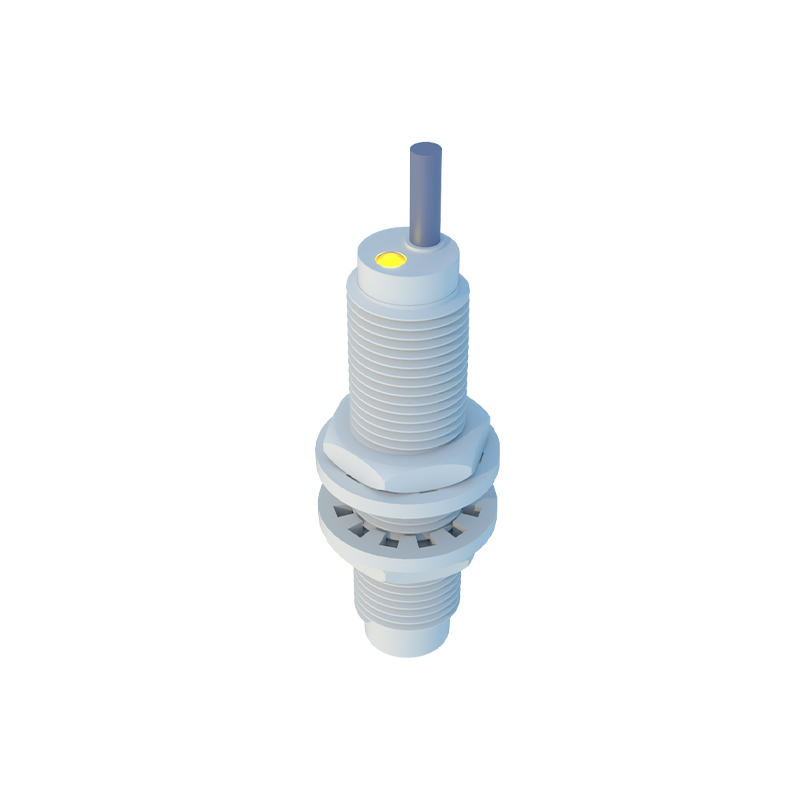
Selecting the right mix proximity sensor requires careful analysis of the application. Key factors include the types of materials to be detected, the required sensing distance, the operating environment (temperature, dust, moisture, electromagnetic interference), the required output type (digital PNPNPNP, analog, IO-Link), and the response speed. Installation is also crucial; proper mounting, alignment, and shielding are necessary to prevent crosstalk between sensors and to ensure each sensing technology operates within its optimal range. Regular maintenance, though minimal due to their non-contact nature, involves keeping the sensing face clean and periodically verifying performance against known reference objects.
The future of mix proximity sensors is intertwined with Industry 4.0 and the Industrial Internet of Things (IIoT). Modern sensors increasingly feature smart communication protocols like IO-Link, which allows for bidirectional data exchange. This enables not only remote configuration and monitoring of sensor parameters but also the transmission of diagnostic data and process values. Predictive maintenance becomes possible by analyzing signal trends to forecast potential failures. The integration of advanced data fusion algorithms will further enhance decision-making capabilities directly at the sensor level.
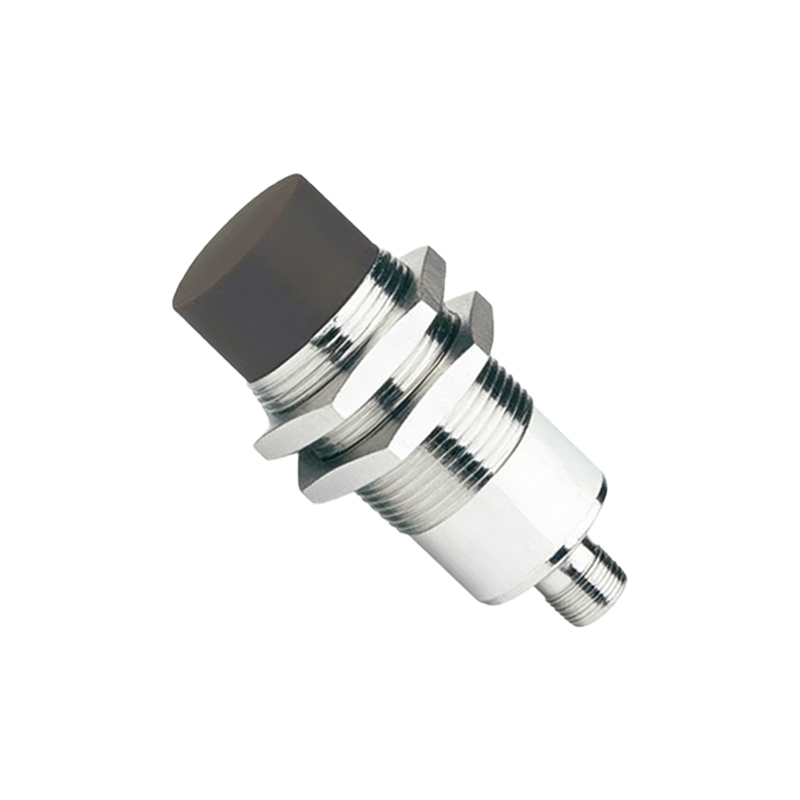
In conclusion, mix proximity sensors represent a significant evolution in sensing technology. By intelligently combining multiple detection principles, they solve complex application challenges that single-technology sensors cannot address. Their ability to improve process reliability, ensure quality control, and enhance system safety makes them an indispensable component in modern automated systems. As applications grow more sophisticated, the demand for these intelligent, multi-functional sensors will continue to rise, solidifying their role as a cornerstone of industrial innovation.