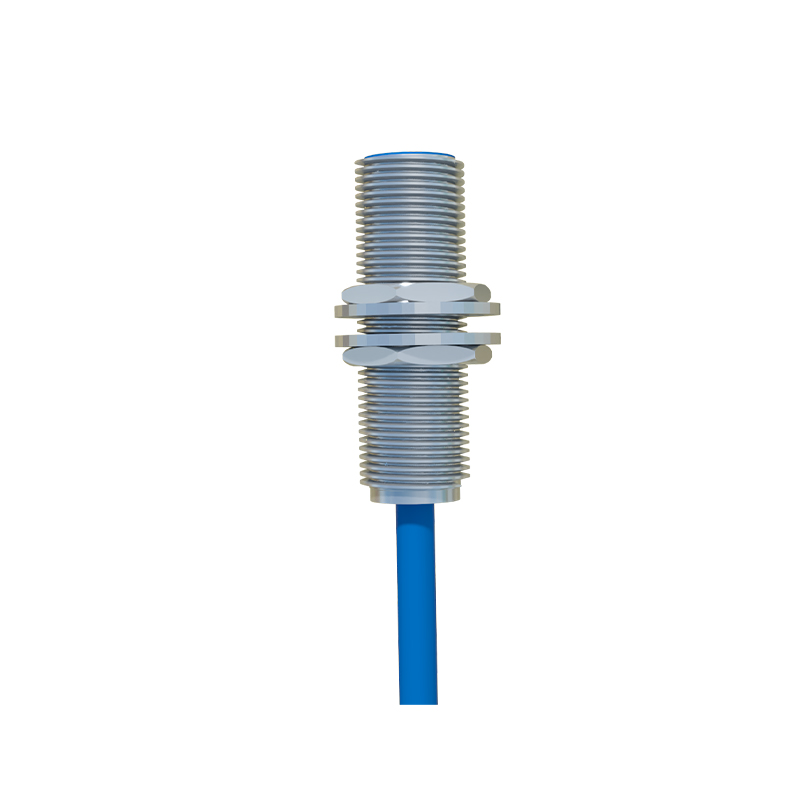
Selecting the right proximity sensor for an application is a critical decision that impacts system performance, reliability, and cost. Unlike a simple component choice, it requires a systematic evaluation of the operating environment, target characteristics, and desired output. This guide outlines the key factors and practical tips to navigate the selection process effectively.
The first and most fundamental step is to understand what you need to detect. Is the target metallic or non-metallic? For metallic targets, inductive proximity sensors are the predominant choice. They generate an electromagnetic field and detect the eddy currents induced in a metal object. Within this category, consider the target material; standard sensors are optimized for steel, but factors for stainless steel, aluminum, or copper differ, often requiring a reduced sensing range. For non-metallic targets—such as plastic, wood, liquid, or glass—capacitive sensors are used. They detect changes in capacitance caused by the presence of any material that alters the dielectric constant of the sensing field.
Next, define the physical constraints. The required sensing distance, or nominal range, is paramount. Always select a sensor with a rated operating distance greater than your maximum required installation gap, incorporating a safety margin of 10-20% to account for mechanical tolerances, temperature drift, and voltage variations. The sensor's size and shape must fit the available mounting space. Cylindrical threaded barrels are common, but rectangular, slot-style, or ring-shaped sensors exist for specific applications like object counting or level detection.
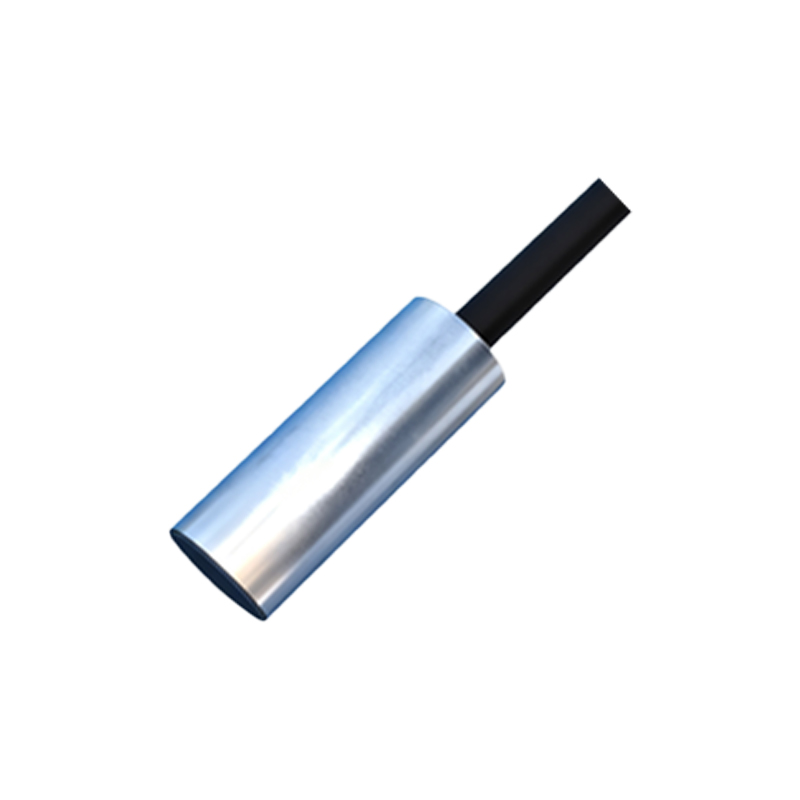
The operating environment presents major challenges. Industrial settings often involve contaminants like dust, coolant, or metal chips. Look for sensors with an appropriate Ingress Protection (IP) rating—IP67 is standard for washdown environments, indicating protection against temporary immersion. For extremely harsh conditions with aggressive chemicals, sensors with PTFE or nickel-plated brass housings are recommended. Temperature extremes can affect performance; ensure the sensor's specified temperature range covers your application's ambient and process-induced temperatures. Electrical noise from motors or variable frequency drives can cause false triggering. Shielded (flush-mountable) inductive sensors offer better noise immunity in metal-rich environments compared to unshielded types.
Output configuration is another crucial decision. Do you need a digital on/off signal (PNP or NPN sinking/sourcing) or an analog output (4-20mA, 0-10V) proportional to distance? For simple presence detection, a digital switch is sufficient. For precise position monitoring or measuring material thickness, analog outputs are necessary. Also, consider the connection type: pre-wired cables, quick-disconnect connectors, or terminal connections for ease of installation and maintenance.
Finally, do not overlook installation and long-term reliability. Ensure the sensor's housing material (e.g., stainless steel, PBT plastic) is compatible with the environment to prevent corrosion. Vibration resistance is critical in mobile equipment or machinery. For high-speed applications, check the sensor's switching frequency—its ability to detect objects passing in rapid succession.
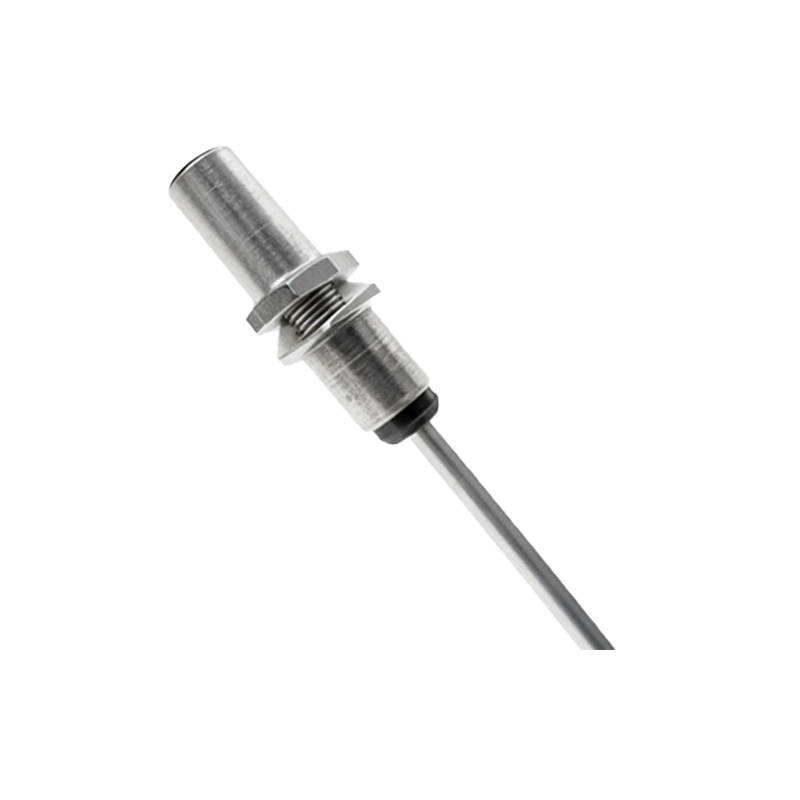
A practical tip is to always test the sensor with the actual target material under real-world conditions before finalizing the design. Manufacturer datasheets provide essential specifications, but real-world performance can vary. By methodically analyzing the target, environment, electrical requirements, and mechanical constraints, you can select a proximity sensor that delivers robust, reliable, and cost-effective performance for your specific application.