Introduction to GSEE Photoelectric Sensors
GSEE photoelectric sensors represent a reliable and cost-effective solution for object detection in modern industrial automation. These sensors use light beams to detect the presence, absence, or distance of objects without physical contact. Built with robust housings and advanced optics, GSEE sensors are designed to operate in harsh environments, including dusty, wet, or vibrating conditions common in manufacturing lines.
Operating Principles and Types
GSEE photoelectric sensors operate based on three primary modes: through-beam, retro-reflective, and diffuse reflection. In through-beam mode, the emitter and receiver are separate, providing the longest sensing range and highest reliability. Retro-reflective sensors use a reflector to bounce the beam back, simplifying installation. Diffuse sensors detect objects by reflecting light directly from the target, ideal for short-range applications. Each type is optimized for specific tasks, such as detecting transparent objects, small parts, or irregular surfaces.
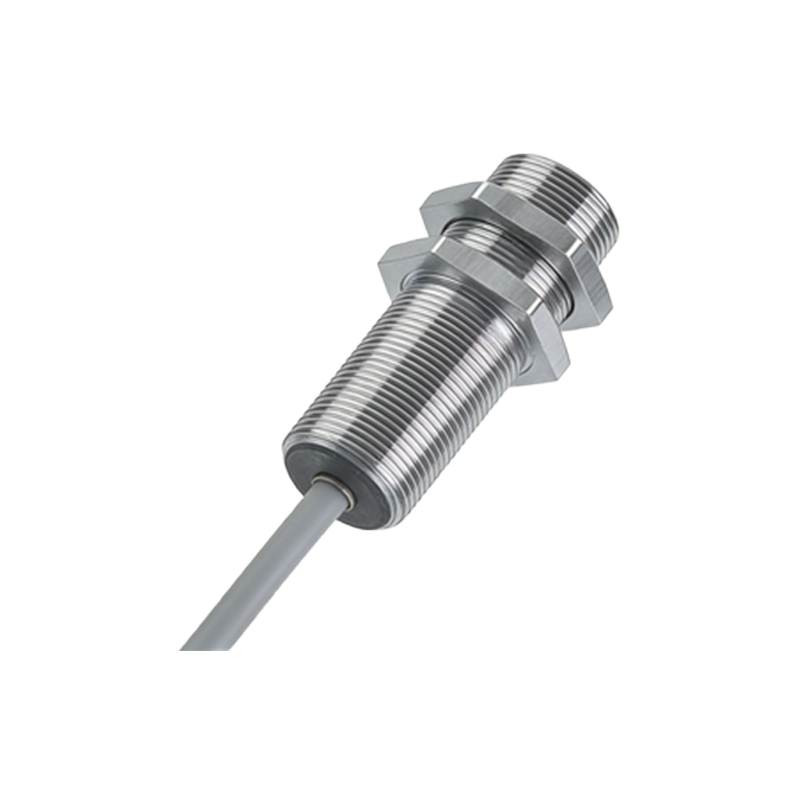
Key Technical Specifications
Typical GSEE sensors offer sensing distances ranging from 0.1 meters to 30 meters, depending on the model. They support multiple output types, including NPN, PNP, and analog outputs, with response times as fast as 0.5 milliseconds. The sensors operate on DC voltages from 10 to 30V and feature IP67 or higher ingress protection ratings. Advanced models include background suppression, adjustable sensitivity, and self-diagnostic functions for enhanced reliability.
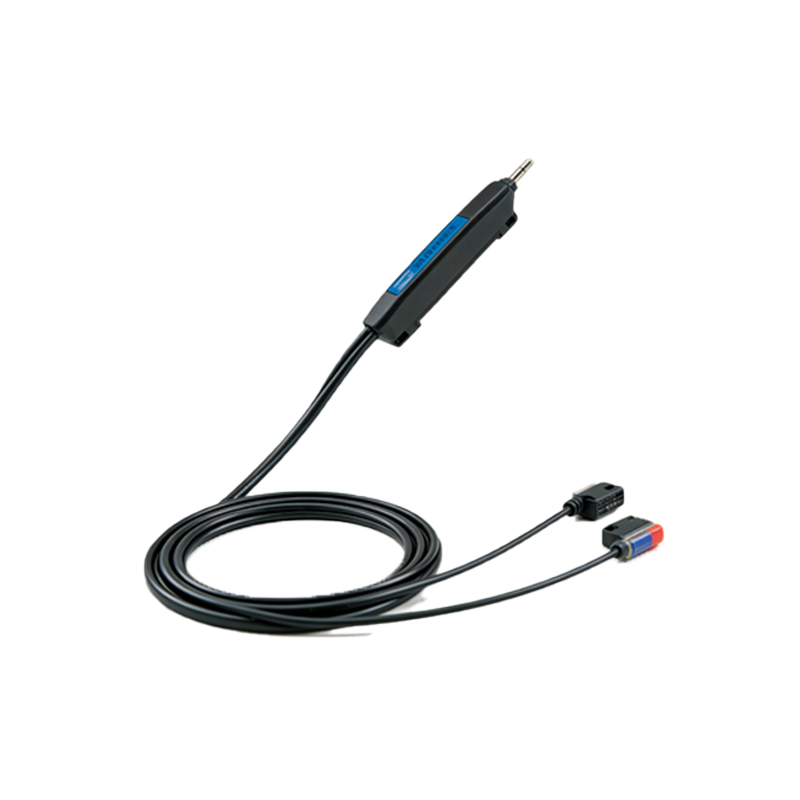
Installation and Wiring Guidelines
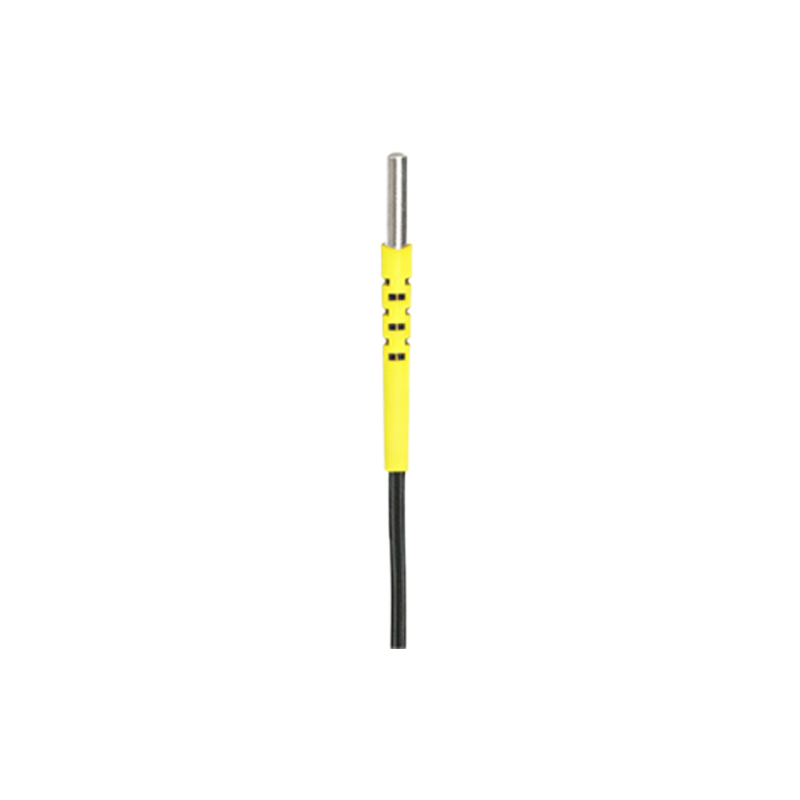
Proper installation is critical for optimal performance. Ensure the sensor optical path is free from obstructions and aligned correctly with the target or reflector. Use shielded cables for long runs to minimize electromagnetic interference. Connect power according to the wiring diagram, typically with brown for positive, blue for negative, and black for output signal. Verify the sensor's response using a test object before finalizing the mount.
Common Applications in Industry
GSEE photoelectric sensors are widely used in conveyor systems for package detection, in packaging machines for label presence, and in material handling for pallet positioning. They are also deployed in automotive assembly for part verification, in food processing for bottle fill level monitoring, and in printing presses for web break detection. Their non-contact nature reduces wear and tear, extending service life.
Troubleshooting and Maintenance Tips
Regular cleaning of the lens and reflector is essential to maintain detection accuracy. Common issues include false triggering due to ambient light or reflective backgrounds, which can be mitigated by using modulated infrared light models. Check wiring connections for corrosion or loose terminals. If the sensor fails to detect, verify the supply voltage and output load compatibility. For persistent problems, refer to the GSEE technical manual for error codes.
Advantages of GSEE Sensors Over Competitors
GSEE offers a balance of performance and affordability, with many models featuring built-in amplifier units for easy integration. Their compact design allows installation in tight spaces, and the wide operating temperature range (-25°C to 55°C) suits diverse environments. Compared to similar sensors from brands like Omron or SICK, GSEE provides competitive specifications at a lower cost, making them ideal for budget-conscious automation projects.