Introduction to Cylindrical Photoelectric Sensors
Cylindrical photoelectric sensors are essential components in modern industrial automation, offering robust detection capabilities in tight spaces. The Wenling series, designed by seasoned engineers, excels in environments requiring high precision and durability. These sensors operate by emitting a light beam and detecting its reflection or interruption, making them ideal for object detection, counting, and positioning tasks. Their cylindrical housing ensures easy integration into machinery, even in confined areas, while providing resistance to dust, vibration, and moisture.
Key Technical Features
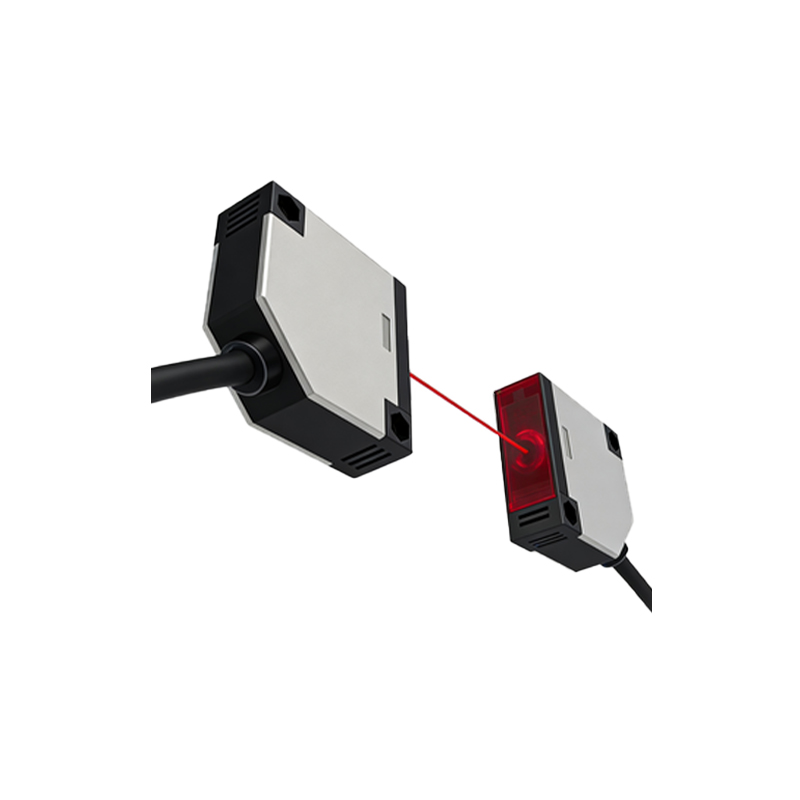
The Wenling cylindrical photoelectric sensors feature a compact M12 to M30 threaded housing, ensuring secure mounting and alignment. They support multiple sensing modes: through-beam, retro-reflective, and diffuse reflection, with ranges up to 20 meters for through-beam types. The sensors operate on a wide voltage range of 10-30V DC and deliver a fast response time of less than 1 millisecond. With IP67 protection and operating temperature from -25°C to 70°C, they are suited for harsh industrial settings. The built-in LED indicator simplifies diagnostics, while the cable or connector options (such as M12 quick-disconnect) facilitate quick installation.
Applications in Industry
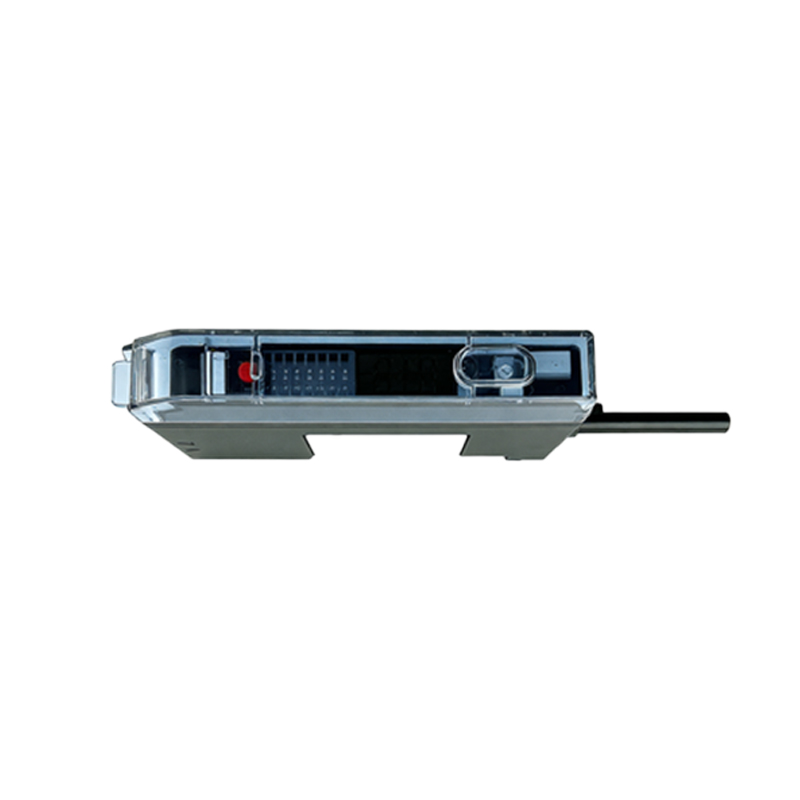
These sensors are widely deployed in packaging lines to detect missing items, in conveyor systems for part presence verification, and in automated storage systems for precise positioning. For example, in a bottling plant, the Wenling retro-reflective sensor reliably identifies glass bottles regardless of color or transparency. In metalworking, the diffuse reflection mode detects metallic parts on vibrating feeders without physical contact. The sensors also excel in cleanroom environments due to their sealed design, preventing contamination.
Installation and Best Practices
Proper installation ensures optimal performance. When mounting the sensor, maintain a clear line of sight to the target and avoid reflective backgrounds that could cause false triggers. For through-beam models, align the emitter and receiver within a 2-degree angle deviation. Use the built-in sensitivity adjustment potentiometer to fine-tune the detection distance, especially in dusty or smoky conditions. Regularly clean the lens with a soft, lint-free cloth to maintain consistent sensing. For external interference, apply the metal shielding provided in the accessory kit.
Troubleshooting Common Issues
If the sensor fails to detect, first verify the power supply (10-30V DC) and check for loose connections. For intermittent false triggers, examine the surrounding environment for stray light or strong electromagnetic fields. In high-humidity areas, ensure the IP67 seal is intact. The sensor's status LED blinks red for overload or short circuit; in such cases, reduce the load or replace the cable. For persistent problems, refer to the Wenling user manual for advanced fault codes.
Conclusion: Why Choose Wenling Sensors
Wenling cylindrical photoelectric sensors offer a balance of performance and cost-effectiveness, backed by decades of engineering expertise. Their modular design and wide compatibility with PLCs and relay modules make them a versatile choice for automation engineers. With a mean time between failures (MTBF) exceeding 50,000 hours, these sensors deliver long-term reliability. Whether for retrofitting legacy systems or designing new production lines, the Wenling series provides a trustworthy solution for precise industrial sensing.