Introduction to Cross-Beam Photoelectric Sensors
Cross-beam photoelectric sensors, also known as through-beam sensors or emitter-receiver pairs, are a critical component in modern industrial automation. Unlike retro-reflective or diffuse sensors, these devices consist of a separate light emitter and receiver, positioned opposite each other. The detection principle is simple yet highly reliable: the emitter projects a continuous beam of light, typically infrared or visible light, directly toward the receiver. When an object interrupts this beam, the receiver detects the absence of light, triggering an output signal. This design offers superior detection range, immunity to environmental interference, and high accuracy, making it a preferred choice for demanding applications.
Operating Principle and Key Components
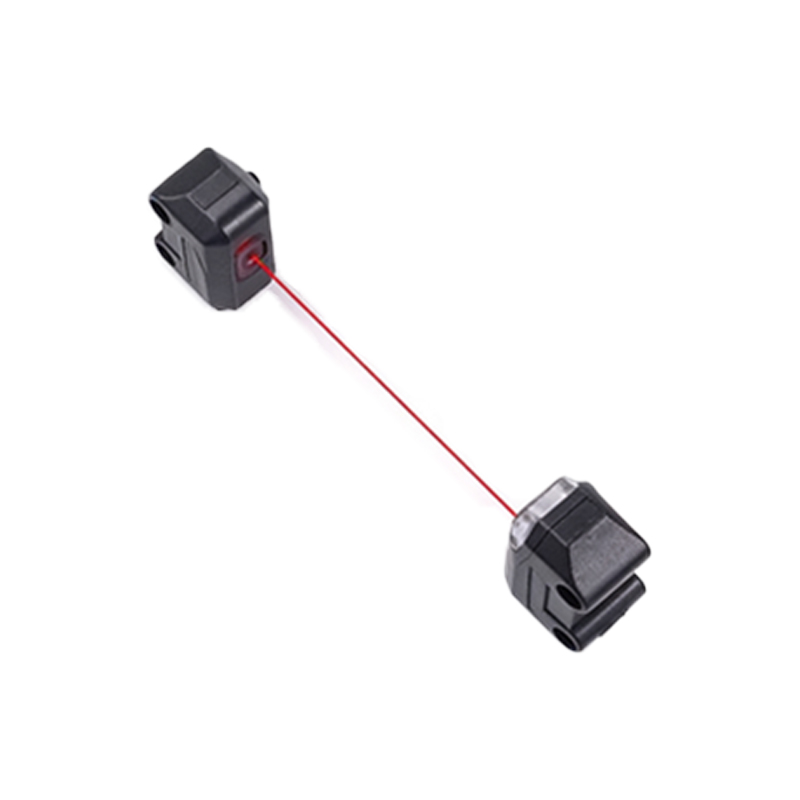
The fundamental operation relies on the interruption of a focused light beam. The emitter houses a light source, such as a laser diode or LED, and a lens system to collimate the beam. The receiver contains a photodetector and an amplifier. When the beam is unobstructed, the receiver maintains a steady state. Once an object enters the beam path, the light is blocked, and the receiver’s output changes state. Key advantages include a long sensing distance ranging from several meters to over 100 meters, and insensitivity to object color, reflectivity, or surface texture. These sensors also minimize false triggers caused by ambient light or dust, as the modulated light signal is synchronized between the emitter and receiver.
Applications in Industrial Environments
Cross-beam sensors excel in applications requiring precise object detection across large gaps or harsh conditions. Common uses include:
- Conveyor belt monitoring: Detecting product presence, jams, or breakage on fast-moving lines.
- Automated warehouse systems: Verifying pallet or package positions in high-rack storage.
- Security and safety: Creating invisible light curtains for access control or machine guarding.
- Process control: Monitoring material flow in chemical, food, or pharmaceutical industries.
Their robustness against vibration, temperature fluctuations, and electrical noise makes them ideal for factory floors, mining, and heavy machinery.
Advantages Over Other Sensor Types
Compared to diffuse and retro-reflective sensors, cross-beam designs offer distinct benefits:
- Longer detection range: Up to 100 meters or more, compared to typical 10-20 meters for retro-reflective types.
- Higher immunity to contaminants: Dust, fog, or oil films on lenses have minimal impact, as the beam is a narrow, direct path.
- No dead zone: Detection occurs as soon as the object breaks the beam, unlike diffuse sensors which may have blind spots near the sensor face.
- Consistent performance: Object color, gloss, or angle does not affect detection reliability.
However, installation requires precise alignment of the emitter and receiver, and the separate housing demands more mounting space.
Selection Criteria and Installation Considerations
When choosing a cross-beam sensor, engineers must evaluate:
- Beam type: Laser beams for long range and precision; LED for cost-effectiveness and wider beam spread.
- Output configuration: NPN, PNP, or analog outputs to match PLC or controller interfaces.
- Environmental rating: IP67 or higher for wet or dusty environments, and operating temperature range.
- Alignment aids: Some models include visual indicators or built-in alignment tools to simplify setup.
Proper installation requires stable mounting brackets to maintain alignment, avoiding reflective surfaces that could cause false signals, and periodic cleaning of optics in dirty environments.
Troubleshooting and Maintenance Tips
Common issues include misalignment from vibration, dirt on lenses, or electrical interference. Regular maintenance involves:
- Cleaning optics with a soft cloth and approved solvent.
- Checking mounting bolts for tightness.
- Verifying cable connections and shielding.
- Testing with a known object to confirm detection threshold.
Advanced models offer self-diagnostic features, such as signal strength indicators, to facilitate troubleshooting.