Understanding the Maximum Sensing Distance of Photoelectric Sensors
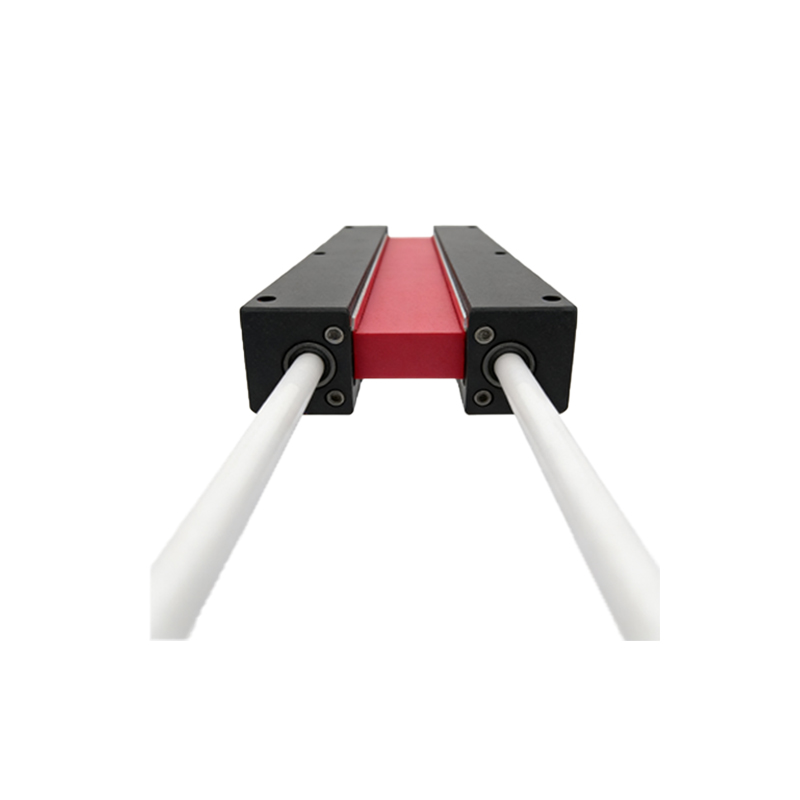
Photoelectric sensors are essential components in industrial automation, detecting objects without physical contact. The maximum sensing distance refers to the furthest point at which a sensor can reliably detect a target, influenced by factors such as light source type, beam pattern, and environmental conditions. For engineers, achieving optimal performance requires careful selection based on operational needs. Key sensor types include through-beam, retro-reflective, and diffuse reflective sensors, each with distinct range capabilities. Through-beam sensors offer the longest distances, often exceeding 30 meters in ideal conditions, while diffuse sensors typically range from 0.1 to 10 meters depending on target reflectivity.
Impact of Light Source and Lens Design on Sensing Range
The choice of light source—LED, laser, or infrared—directly affects maximum distance. Laser-based sensors provide superior precision and longer ranges, up to 100 meters in some models, due to collimated beams. LED sensors offer moderate distances with broader coverage, suitable for general-purpose applications. Lens design, including focusing optics and aperture, also plays a critical role. Engineers must consider beam divergence; a narrow beam enhances range but reduces coverage area, while a wider beam sacrifices distance for broader detection. For harsh environments, sensors with built-in ambient light suppression maintain accuracy over long distances.
Environmental Factors Reducing Effective Sensing Distance
Real-world conditions often reduce theoretical maximum range. Dust, fog, or vapor can scatter the light beam, degrading signal strength. In through-beam setups, misalignment between emitter and receiver reduces effective distance by up to 50%. Temperature extremes affect sensor electronics, potentially shifting calibration. For outdoor applications, sunlight interference is a major challenge; using modulated light or filters can mitigate this. Engineers should account for a safety margin of 20–30% when specifying sensors to ensure reliable operation under variable conditions.
Optimizing Target Characteristics for Extended Range
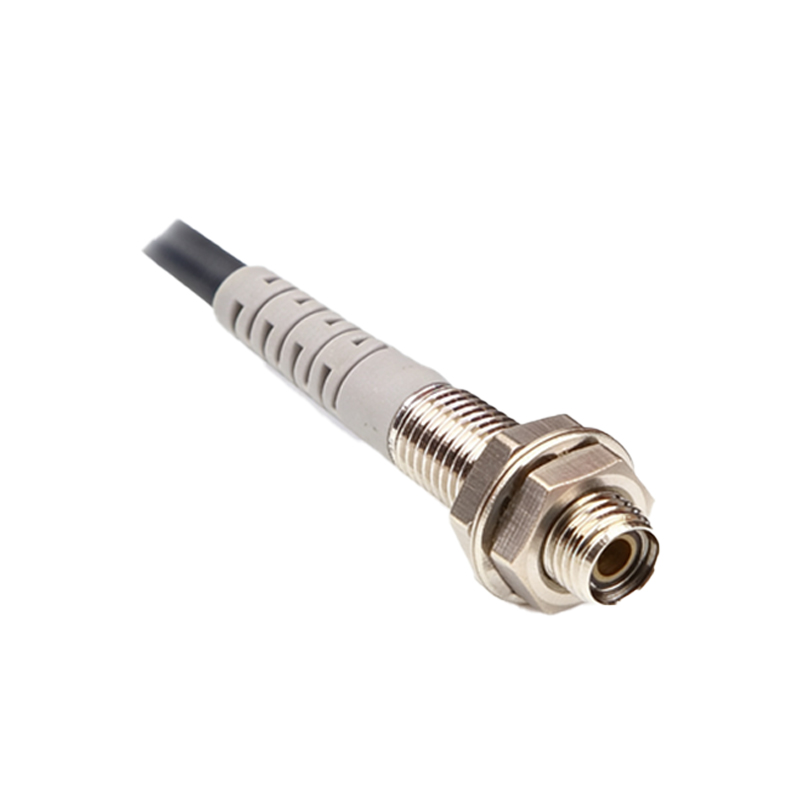
Target properties significantly influence sensing distance. Highly reflective surfaces, such as white or metallic objects, allow diffuse sensors to achieve longer ranges. Conversely, dark or matte targets absorb more light, reducing distance. For retro-reflective sensors, using specialized reflectors with high retro-reflectivity enhances range. Engineers can also adjust sensor sensitivity via potentiometers or digital settings, but higher gain may introduce noise. In critical applications, testing with actual target materials is recommended to validate maximum distance.
Application-Specific Considerations for Maximum Range
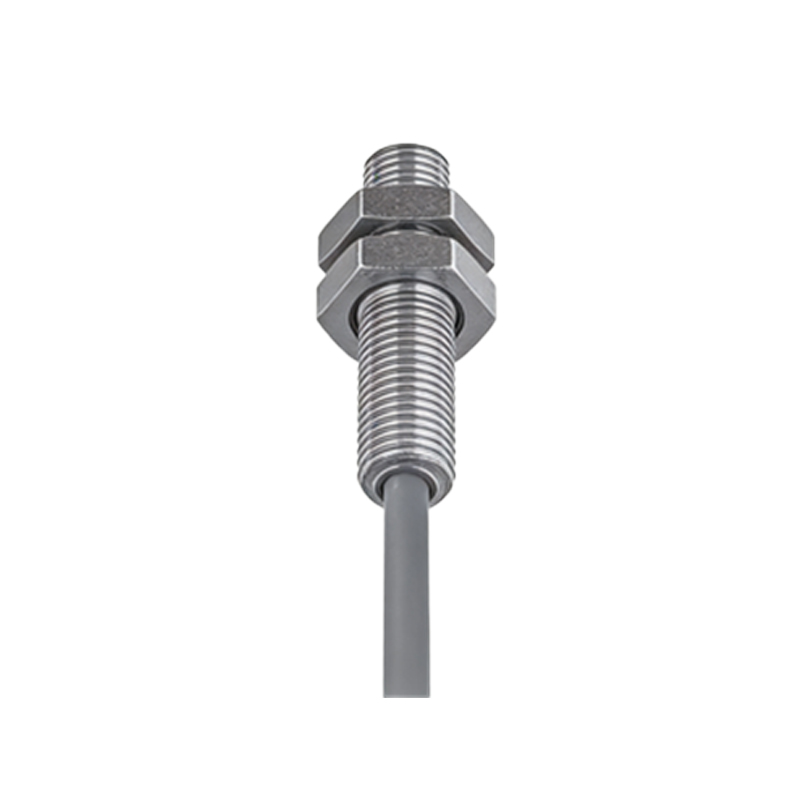
Different industries prioritize varying distance requirements. In conveyor systems, through-beam sensors with 20-meter ranges monitor long lines. For automated storage, retro-reflective sensors at 15 meters ensure reliable pallet detection. In clean environments, laser sensors achieve 50-meter ranges for precision alignment. Engineers should also evaluate response time; longer distances may require slower switching frequencies due to signal processing delays. Always consult datasheets for range specifications under standard conditions, and perform on-site validation to confirm performance.