Introduction to Photoelectric Sensors in Press Machines
Photoelectric sensors play a critical role in modern press machine operations, ensuring both operational efficiency and worker safety. These non-contact devices use light beams to detect the presence, absence, or position of objects, making them ideal for high-speed stamping, forming, and cutting processes. In the electrical industry, selecting the right sensor type—through-beam, retro-reflective, or diffuse—depends on factors like environmental conditions, target material, and required response time. Proper integration reduces downtime and prevents accidents in automated production lines.
Key Safety Standards and Compliance Requirements
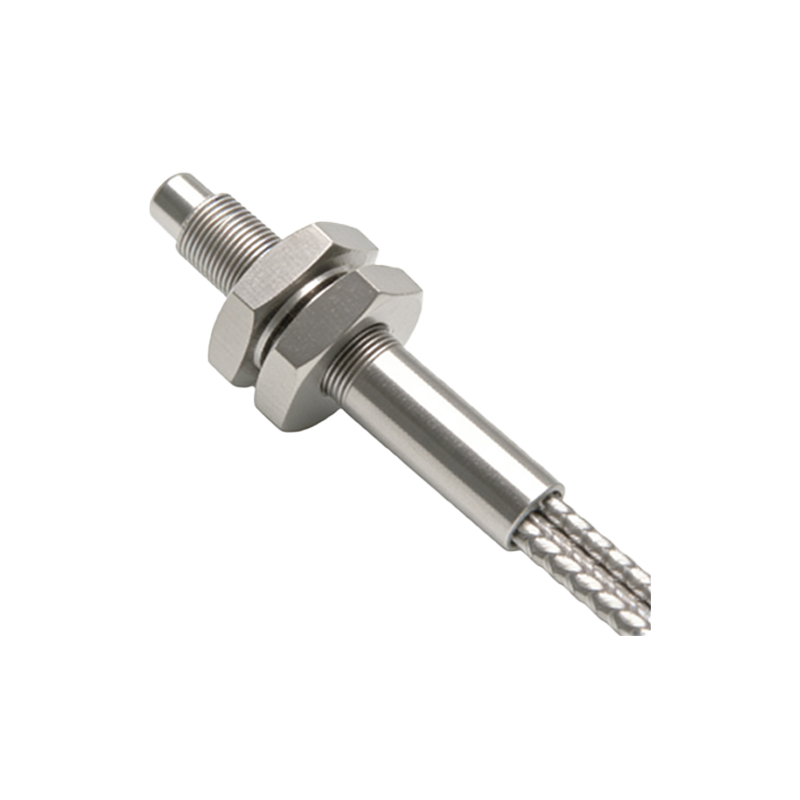
Compliance with international safety standards is mandatory for press machine photoelectric sensors. Standards such as ISO 13849-1 (safety-related parts of control systems) and IEC 61496 (electro-sensitive protective equipment) dictate performance levels (PL) and safety integrity levels (SIL). For press applications, sensors must achieve at least PL d or SIL 2 to ensure fail-safe operation. Additionally, the sensor’s response time must be ≤20 ms to halt the press before hazardous motion occurs. Engineers must verify that sensor mounting, beam alignment, and muting functions meet the machine’s risk assessment.
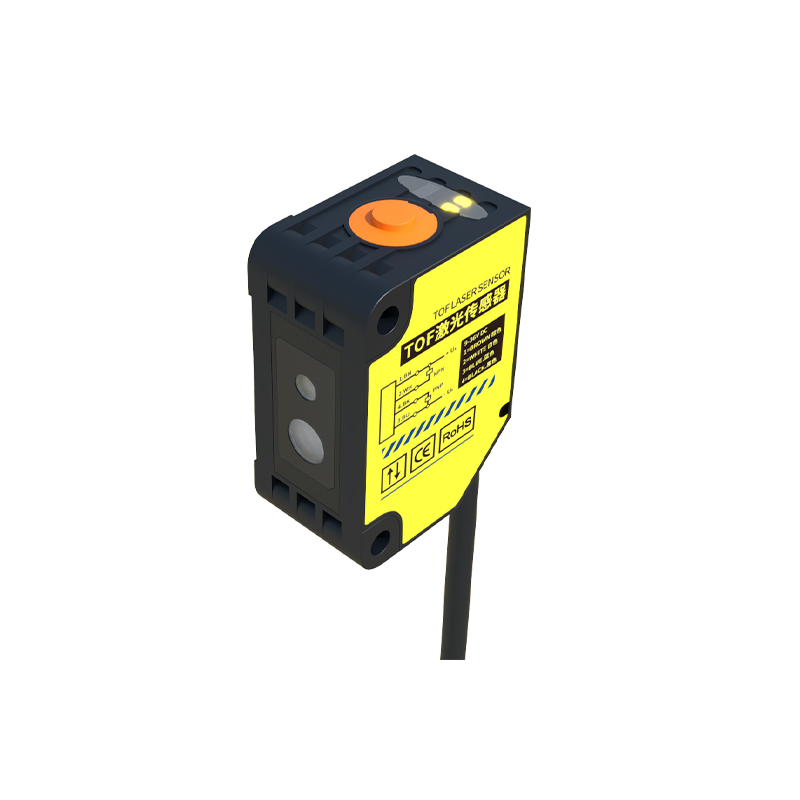
Selecting the Right Sensor Type for Press Applications
For press machines, through-beam sensors offer the highest reliability in harsh environments with dust, oil, or vibration. They consist of separate emitter and receiver units, providing a long detection range (up to 30 meters) and immunity to reflective surfaces. Retro-reflective sensors are cost-effective for moderate distances (up to 10 meters) but require a clean reflector. Diffuse sensors work best for short-range detection (under 2 meters) on shiny or dark metal parts. Always consider the press cycle speed: for high-speed presses (>500 strokes/min), choose sensors with response times<1 ms and repeatability within 0.1 mm.
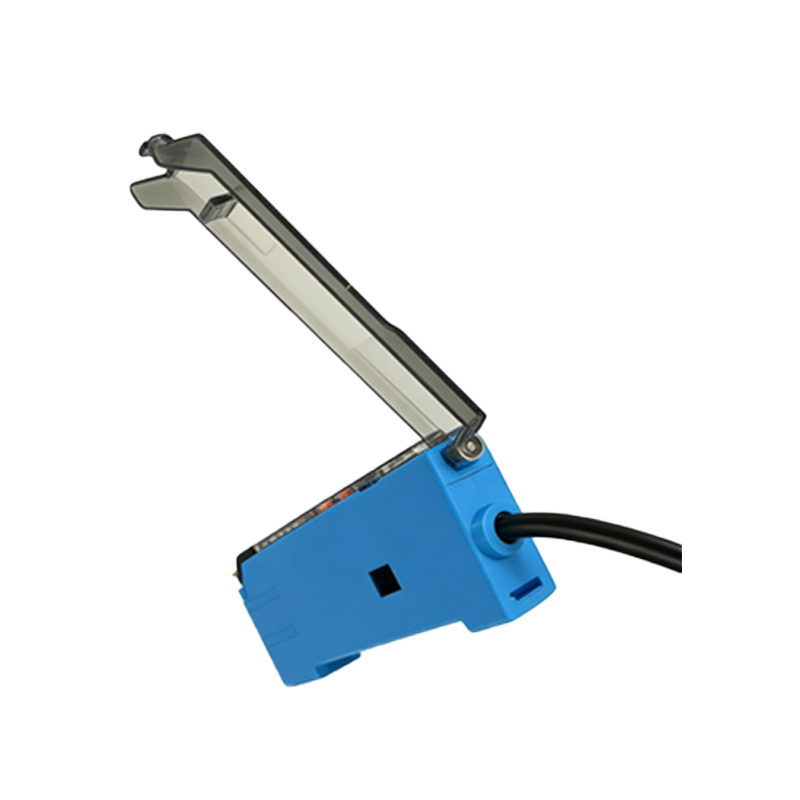
Installation Best Practices for Electrical Engineers
Proper installation extends sensor lifespan and prevents false triggers. First, mount sensors on rigid brackets to minimize vibration-induced misalignment. Use shielded cables with ferrite cores to reduce electromagnetic interference (EMI) from motor drives. Ensure the sensor’s sensing field does not intersect with moving press components during operation. For muting applications (e.g., part ejection), use two sensors in series to avoid single-point failures. Regularly calibrate sensitivity and test with a reference object to maintain detection accuracy.
Troubleshooting Common Issues in Press Environments
Common problems include lens contamination, cable damage, and ambient light interference. For dirty lenses, apply isopropyl alcohol on a lint-free cloth weekly. Check cable integrity with a multimeter—resistance changes indicate wear. To combat ambient light, use sensors with modulated infrared or laser light sources, which filter out strobe lights and welding arcs. If false triggers persist, adjust the sensor’s hysteresis or switch to a polarized retro-reflective type to ignore shiny metal surfaces. Always document firmware updates for PLC-compatible sensors.
Conclusion: Enhancing Productivity Through Safety
Implementing advanced photoelectric sensors in press machines not only meets regulatory mandates but also boosts throughput by reducing unplanned stops. By understanding sensor types, standards, and installation nuances, electrical engineers can design systems that protect workers and optimize machine utilization. Regular maintenance and proactive troubleshooting ensure long-term reliability in demanding stamping environments.