Introduction to Through-Beam Photoelectric Sensors
Through-beam photoelectric sensors are essential components in industrial automation, offering reliable detection across long distances. Their size directly influences installation flexibility, system performance, and integration with existing machinery. As an electrical engineer, understanding the dimensional specifications is critical for optimizing sensor placement and ensuring consistent operation in demanding environments.
Standard Dimensions and Housing Types
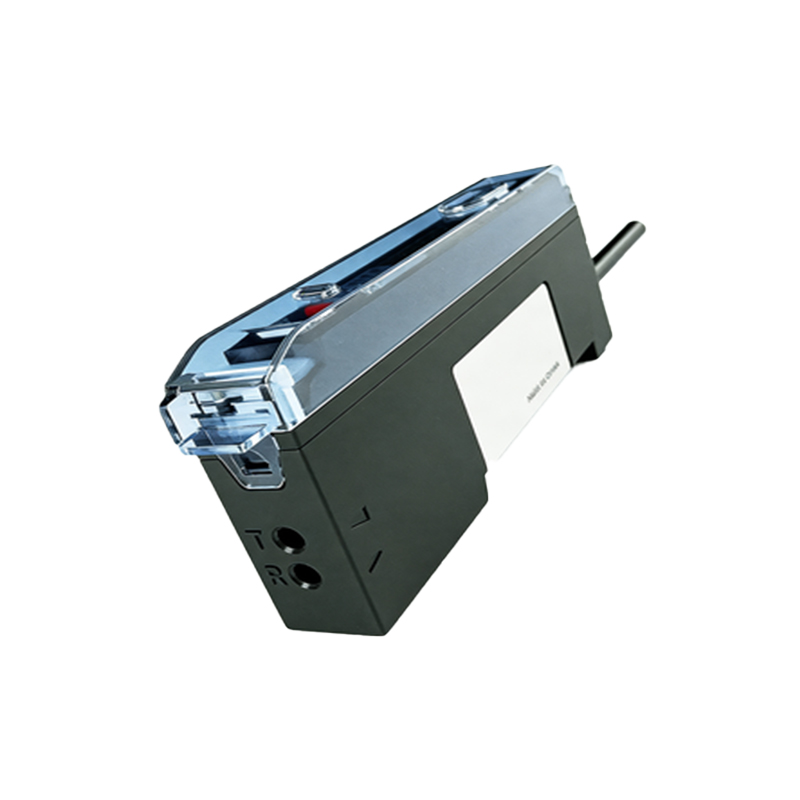
Typical through-beam sensors feature a cylindrical or rectangular housing. Cylindrical models often range from M12 to M30 diameters, with lengths varying from 40mm to 80mm. Rectangular housings, such as 30mm x 30mm or 50mm x 50mm, provide larger mounting surfaces for robust applications. The emitter and receiver units are usually identical in size to maintain alignment accuracy. Common thread lengths are 20mm to 40mm for easy installation.
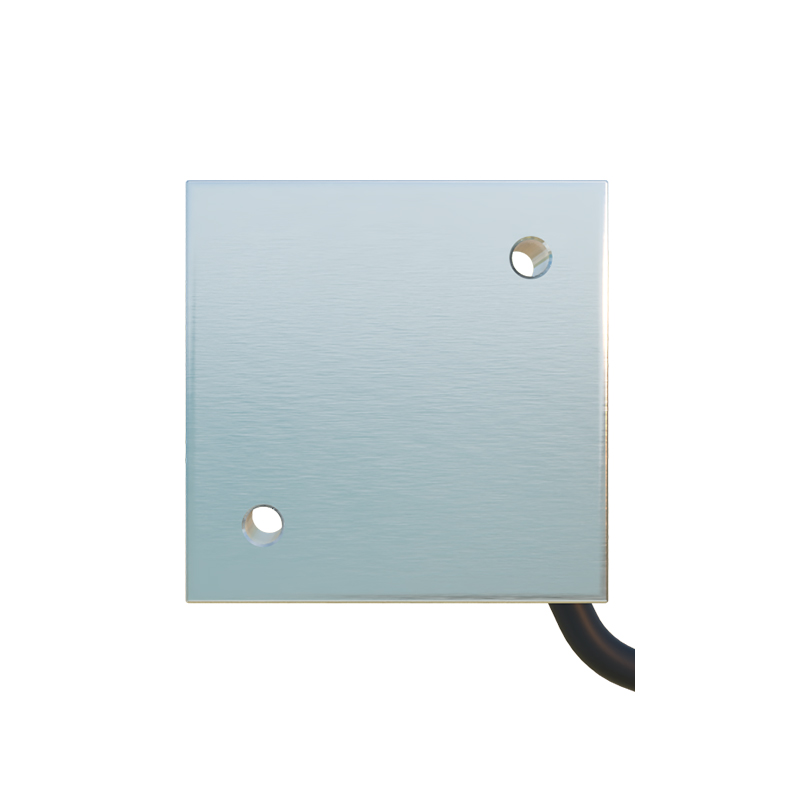
Impact of Sensing Distance on Size
The detection range, which can extend from 10 meters to over 100 meters, influences sensor dimensions. Longer-range sensors require larger optical lenses, resulting in increased housing diameters or lengths. For example, a 50mm long cylindrical sensor may support a 20m range, while an 80mm version could achieve 60m. Engineers must balance range requirements with spatial constraints in tight machinery.
Mounting Considerations and Spacing
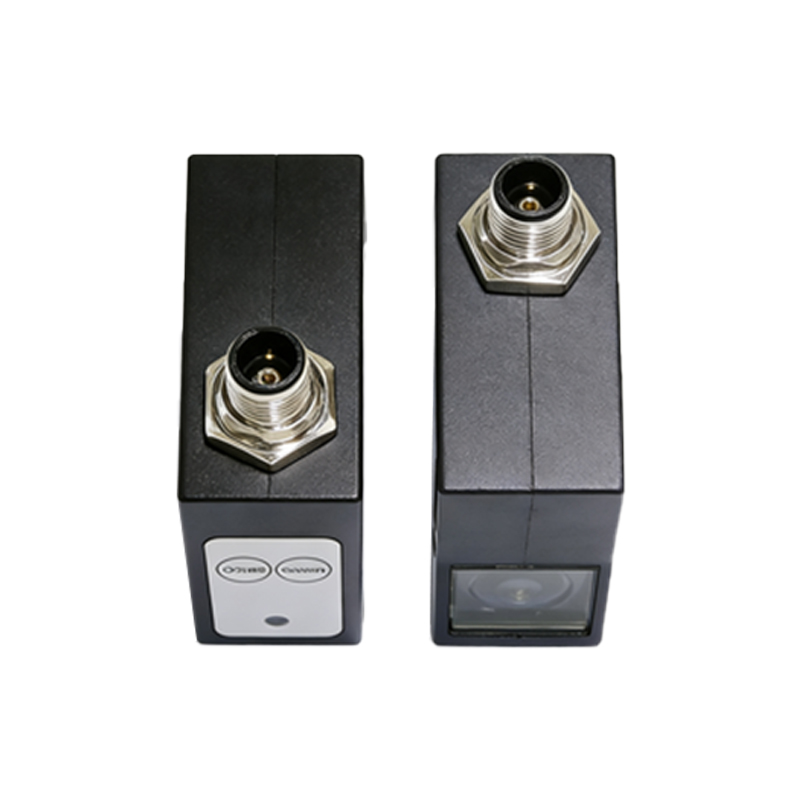
Sensor size affects mounting options. Small M12 sensors fit into confined spaces, while larger M30 units offer better stability for vibration-prone areas. The gap between emitter and receiver must account for beam divergence—typically 1 to 5 degrees. A typical installation requires a minimum 50mm clearance around each unit for cable routing and alignment adjustments. Proper spacing ensures beam integrity without interference.
Environmental Factors and Housing Durability
Housing materials like stainless steel or reinforced plastic affect dimensions. Stainless steel cylinders, common in harsh environments, tend to be thicker (e.g., 2mm wall thickness) than plastic versions. For IP67 or IP69K ratings, seals add 1-2mm to length. In wash-down or high-temperature zones, compact sensors with specialized coatings maintain performance without increasing size significantly.
Practical Guidelines for Selecting Sensor Size
When specifying a through-beam sensor, start by measuring the available mounting space and required detection distance. For short-range applications under 20m, M12 cylinders are cost-effective. For distances exceeding 50m, consider rectangular housings with larger lenses. Always verify alignment tolerance—sensor length should allow for 5-10mm axial adjustment. Consult manufacturer datasheets for precise dimensional drawings and torque ratings for secure installation.
Conclusion
Mastering the dimensions of through-beam photoelectric sensors ensures seamless integration into automated systems. By considering housing type, range, and environmental demands, engineers can select the optimal size for reliable, long-term performance. Always prioritize alignment and spacing to maximize sensor efficiency in industrial settings.