Introduction to Photoelectric Sensors in Hydraulic Systems
In modern industrial automation, hydraulic actuators play a critical role in heavy-duty applications, from construction machinery to manufacturing presses. However, achieving precise position control and stroke detection in these systems often requires reliable feedback mechanisms. Photoelectric sensors, when integrated with hydraulic push rods, offer a non-contact solution that enhances accuracy, reduces wear, and improves overall system responsiveness. This article explores the technical integration, benefits, and practical considerations for using photoelectric sensors in hydraulic actuator applications.
Working Principle of Photoelectric Sensors with Hydraulic Push Rods
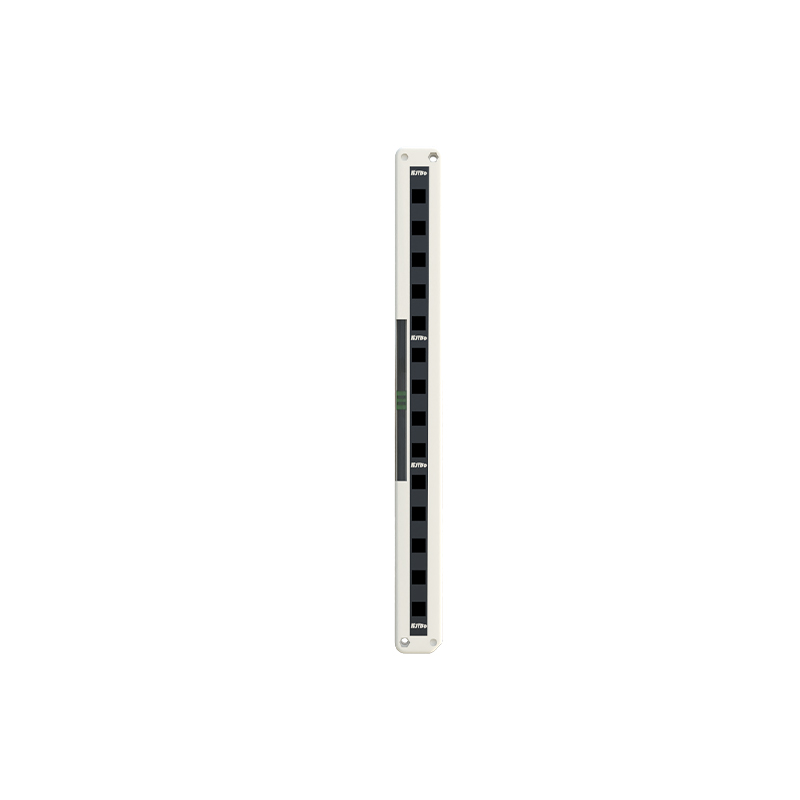
Photoelectric sensors operate by emitting a beam of light, either visible or infrared, and detecting changes in the received signal caused by the presence or absence of an object. In a hydraulic push rod system, the sensor is typically mounted near the actuator's stroke end or along the rod's path. As the piston rod extends or retracts, it interrupts or reflects the light beam, generating a digital or analog signal that corresponds to the rod's position. This signal is then processed by a PLC or controller to trigger actions such as stopping the pump, reversing the valve, or initiating a secondary sequence. Key components include a transmitter, receiver, and often a retro-reflective target on the rod itself.
Advantages Over Mechanical Limit Switches
Traditional mechanical limit switches suffer from contact wear, bounce, and limited lifespan in harsh hydraulic environments. Photoelectric sensors eliminate physical contact, reducing maintenance costs and downtime. They also offer faster response times, typically in microseconds, which is crucial for high-speed hydraulic operations. Additionally, photoelectric sensors can detect transparent or small objects, making them suitable for applications where rod diameter is minimal or where oil mist and debris exist. Their solid-state design ensures reliability in high-vibration, high-temperature hydraulic settings.
Installation and Calibration Best Practices
Proper installation is key to achieving accurate readings. First, select a sensor with appropriate sensing range and ambient light immunity, such as a through-beam or diffuse type, based on the rod's travel distance. Mount the sensor using a rigid bracket to prevent misalignment due to vibration. Align the emitter and receiver carefully; for through-beam setups, ensure the rod fully interrupts the beam. Calibration involves adjusting the sensitivity threshold to account for oil film on the rod or dust accumulation. Use a teach-in function if available, and test the entire stroke cycle to confirm repeatability within ±0.1 mm.
Common Applications and System Integration
Photoelectric sensors are widely used in hydraulic presses for die height adjustment, in injection molding machines for clamp position control, and in mobile hydraulics for bucket or boom end stops. Integration with industrial networks, such as IO-Link or Profibus, allows real-time diagnostic data from the sensor, including signal quality and contamination alerts. This facilitates predictive maintenance. When designing the control logic, consider using the sensor's output as a safety interlock to prevent over-travel, especially in high-force applications.
Troubleshooting and Environmental Challenges
Despite their robustness, photoelectric sensors can face challenges in hydraulic environments. Oil mist, water spray, and extreme temperatures can degrade performance. To mitigate this, use sensors with IP67 or higher ratings and optional heater elements for cold environments. Common issues include false triggers due to reflective surfaces or cross-talk from adjacent sensors. Solutions include using polarized filters, adjusting the mounting angle, or selecting a sensor with a narrow beam angle. Regular cleaning of the lens and periodic recalibration are recommended maintenance steps.
Future Trends and Smart Hydraulics
The evolution of Industry 4.0 is driving the adoption of smart photoelectric sensors with embedded processing and wireless connectivity. These sensors can self-calibrate, report remaining service life, and integrate with digital twin models of hydraulic systems. For hydraulic engineers, this means enhanced data analytics for stroke optimization and energy efficiency. As hydraulic actuators become more electrified, the synergy between photoelectric sensing and closed-loop control will define next-generation precision hydraulics.