Introduction to Photoelectric Sensors
Photoelectric sensors are essential components in modern industrial automation, used to detect the presence, absence, or distance of objects without physical contact. They convert light signals into electrical signals, enabling precise control and monitoring in manufacturing, packaging, and logistics systems. As an electrical engineer, I emphasize their reliability and versatility in harsh environments, where they outperform mechanical switches.
Through-Beam Sensors: High Reliability for Long Distances
Through-beam sensors consist of a separate emitter and receiver, placed opposite each other. When an object interrupts the light beam between them, the sensor triggers. This type offers the longest detection range, typically up to 30 meters or more, and is highly immune to dust, dirt, and ambient light. Common applications include conveyor belt monitoring, door safety systems, and counting objects in assembly lines. However, installation requires precise alignment, making them best for fixed setups.
Retro-Reflective Sensors: Compact and Cost-Effective
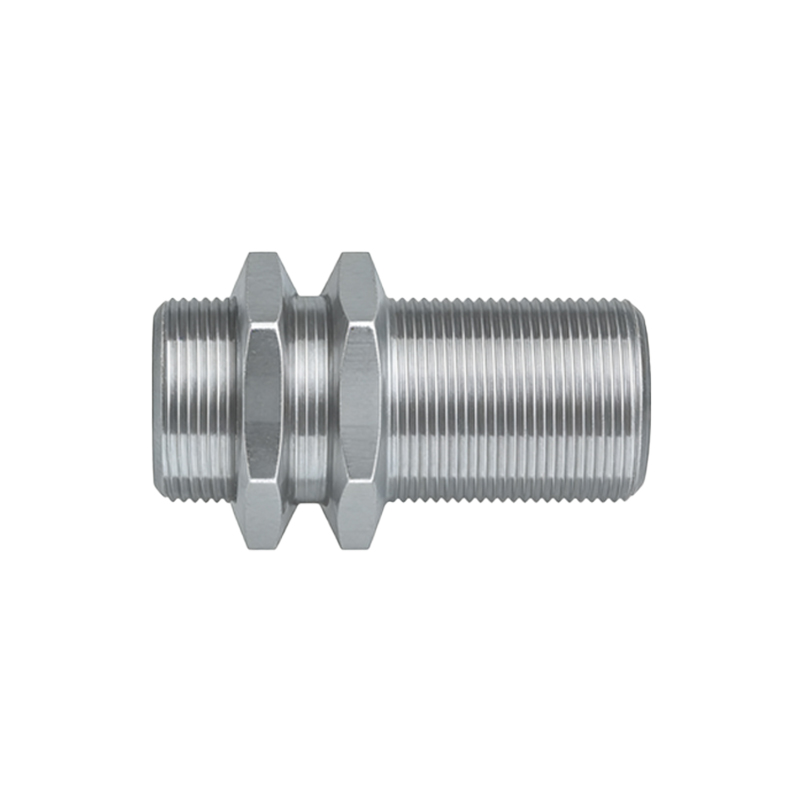
Retro-reflective sensors combine emitter and receiver in one housing, using a reflector to bounce the light beam back. When an object blocks the beam, detection occurs. They have a moderate range, usually up to 10 meters, and are easier to install than through-beam types. They excel in detecting shiny or transparent objects, such as glass bottles or plastic films, but may struggle with highly reflective backgrounds. Polarized versions reduce false triggers from reflective surfaces.
Diffuse Reflective Sensors: Object Detection Without a Reflector
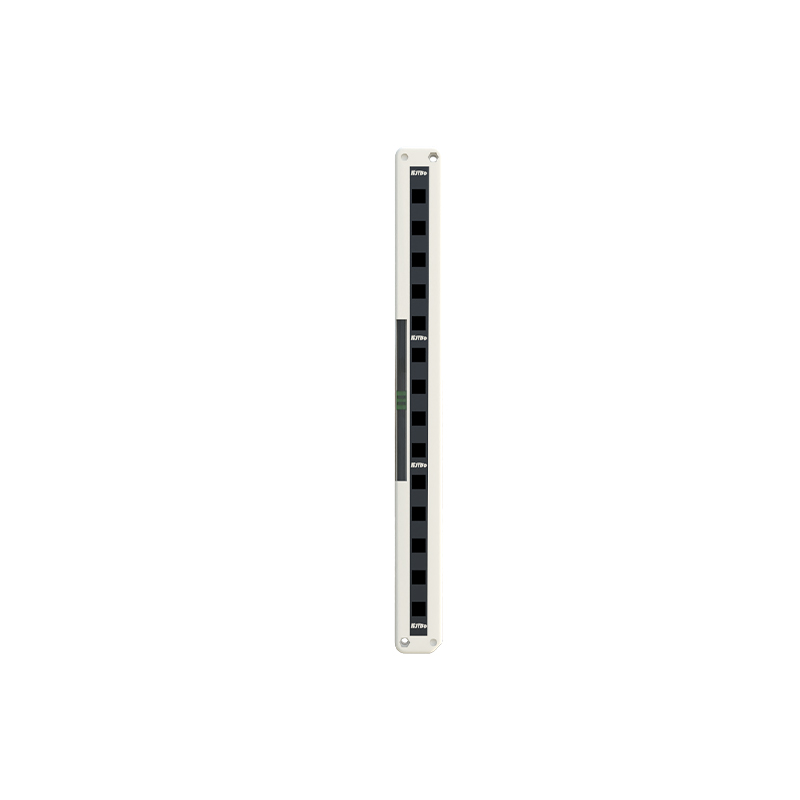
Diffuse reflective sensors also integrate emitter and receiver, but they rely on light reflected directly from the target object. The sensor detects objects when the reflected light exceeds a threshold. This type is ideal for short-range applications, typically up to 1-2 meters, and is simple to install since no reflector is needed. They are widely used in packaging machines, part presence detection, and level sensing. Variants like background suppression sensors distinguish between foreground and background objects.
Specialized Types: Fiber Optic and Laser Sensors
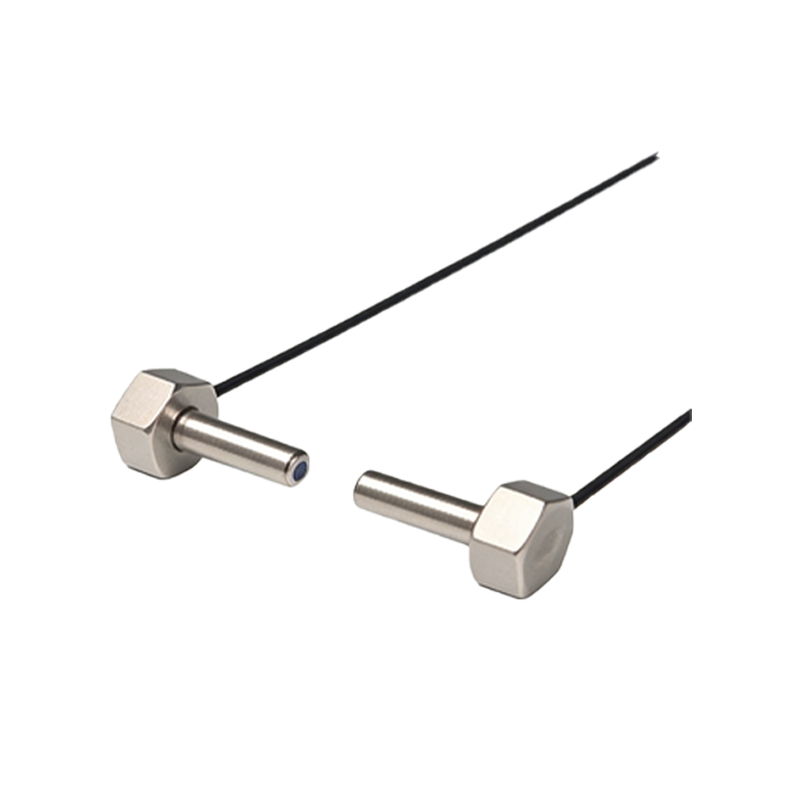
Fiber optic sensors use flexible fiber cables to separate the sensor head from the electronics, allowing detection in confined or high-temperature areas. They come in through-beam or diffuse configurations and are popular in semiconductor manufacturing. Laser sensors provide focused, coherent light for high-precision measurements, detecting small objects or fine gaps. They are critical in electronics assembly, robotic guidance, and quality control where micron-level accuracy is required.
Choosing the Right Sensor for Your Application
Selecting the correct photoelectric sensor depends on factors like detection range, object transparency, environmental conditions, and installation constraints. For dusty or outdoor areas, through-beam sensors offer stability. For space-limited setups, retro-reflective sensors work well. Diffuse types suit simple presence checks, while fiber optic or laser sensors tackle specialized needs. Always consider response time, output type, and power supply compatibility to match your control system.