Introduction to Photoelectric Sensors in Elevators
Photoelectric sensors are critical components in modern elevator systems, ensuring precise floor leveling, door operation, and passenger safety. These sensors use light beams to detect objects or positions, but they are susceptible to failures due to environmental and operational factors. Understanding these failure causes is essential for maintenance engineers to minimize downtime and enhance elevator reliability.
Dust and Contamination Accumulation on Sensor Lenses
One of the most frequent issues is the buildup of dust, grease, or debris on the sensor lens. In elevator shafts, airborne particles from friction, lubricants, and building materials can obscure the light emitter or receiver. This reduces signal strength, leading to false triggers or complete loss of detection. Regular cleaning with approved solvents and soft cloths is recommended, and using sealed or IP-rated sensors can mitigate this in harsh environments.
Misalignment Due to Vibration or Mechanical Wear
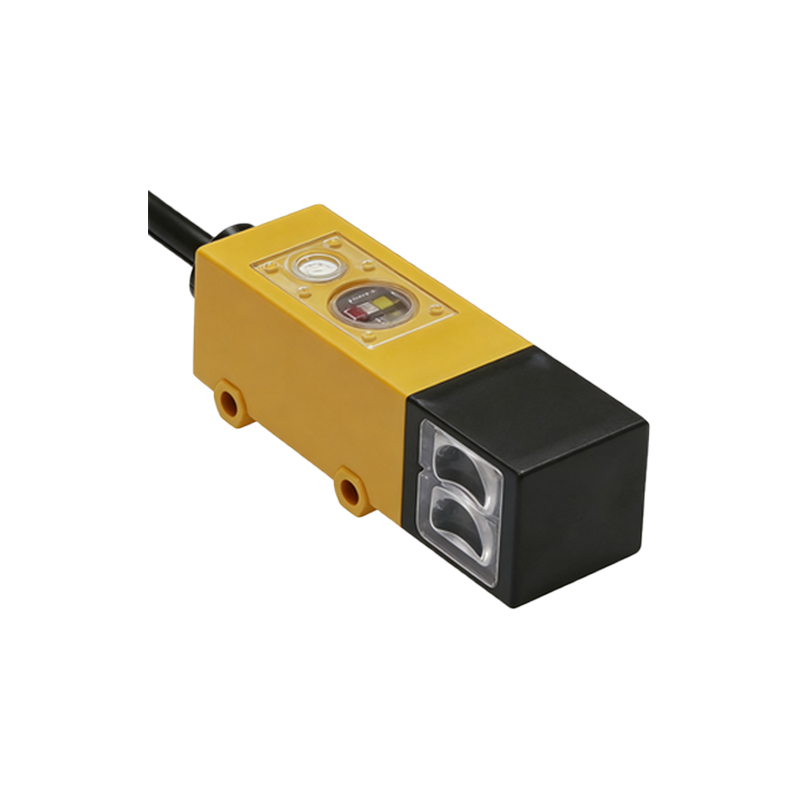
Elevator operation generates continuous vibration from the car movement, door mechanisms, and guide rails. Over time, this can cause the sensor brackets or mounting points to shift, misaligning the light beam between emitter and receiver. Misalignment results in intermittent signals or total failure, often misinterpreted as sensor damage. Engineers should check alignment during routine maintenance and use lock-tight fasteners or vibration-dampening mounts to reduce this risk.
Electrical Interference from Motor Drives and Cabling
Variable frequency drives (VFDs) for elevator motors produce high-frequency electrical noise that can couple into sensor wiring. Poorly shielded cables or improper grounding may cause signal distortion, false pulses, or flickering outputs. This interference is particularly problematic in older installations with unshielded twisted-pair wiring. To resolve this, use shielded cables with proper grounding, install ferrite beads, or maintain physical separation between power and signal cables.
Temperature Extremes Affecting Sensor Components
Elevator shafts can experience significant temperature variations, especially in outdoor or unventilated machine rooms. Extreme heat can degrade internal components, such as LEDs or phototransistors, reducing their lifespan or causing drift in detection thresholds. Conversely, cold conditions may cause condensation inside the sensor housing, leading to short circuits. Selecting sensors rated for the specific temperature range of the installation site and adding ventilation or heating elements can prevent such failures.
Wear and Aging of Sensor Internal Components
Like all electronic devices, photoelectric sensors have a finite operational life. Continuous exposure to power cycles, voltage fluctuations, and thermal stress can cause degradation of the emitter’s light output or the receiver’s sensitivity. This gradual decline may not be detected until a failure occurs. Implementing a predictive maintenance schedule that includes periodic signal strength testing can help identify aging sensors before they fail.
Power Supply Issues and Voltage Fluctuations
Unstable power supply, such as voltage drops or spikes from elevator motor starts, can cause erratic sensor behavior. If the sensor’s internal power regulation fails to compensate, it may reset, latch up, or produce incorrect outputs. Installing dedicated power supplies with surge protection and checking for loose connections in the control panel are effective remedies. Additionally, using sensors with wide input voltage tolerance improves resilience.
Conclusion and Preventive Maintenance Strategies
Elevator photoelectric sensor failures stem from a mix of environmental, mechanical, and electrical causes. By prioritizing regular lens cleaning, alignment checks, EMI mitigation, and power quality monitoring, maintenance teams can significantly reduce unexpected downtime. Implementing a structured preventive maintenance plan based on these factors will enhance elevator reliability and safety.