Introduction to Photoelectric Smoke Sensors
Photoelectric smoke sensors are critical components in modern fire detection systems, particularly in environments requiring early smoke detection without false alarms, such as residential, commercial, and industrial settings. Unlike ionization sensors that rely on radioactive materials, photoelectric sensors use a light source and a light-sensitive receiver to detect smoke particles. This method is highly effective for detecting smoldering fires, which produce larger smoke particles before open flames occur. The sensors operate based on the principle of light scattering or light obscuration, ensuring reliable performance in diverse conditions.
Basic Operating Principle: Light Scattering
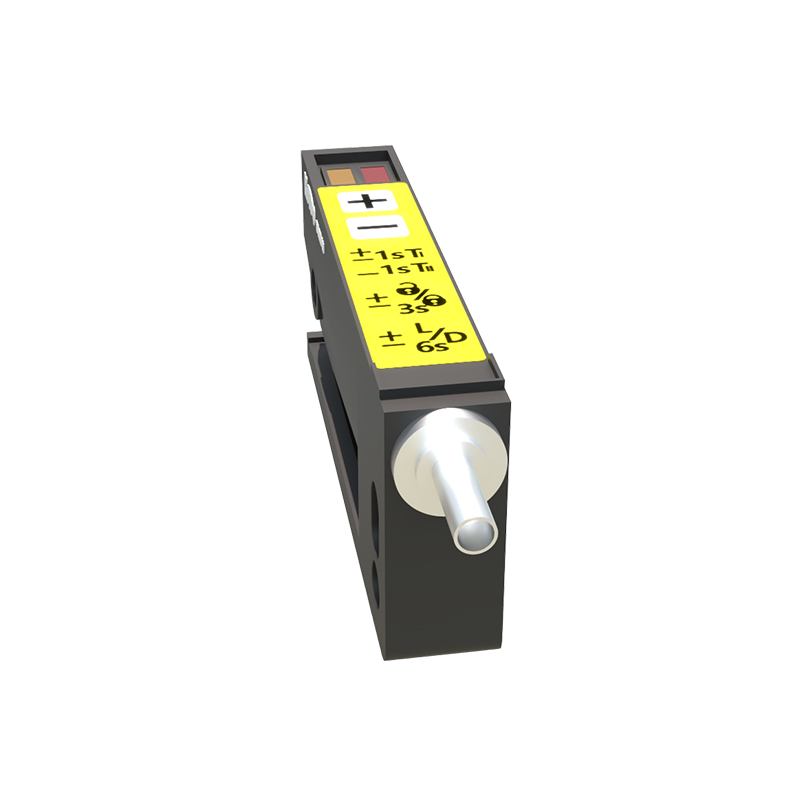
The most common type of photoelectric smoke sensor uses the light scattering principle. Inside the sensor chamber, an infrared or visible light-emitting diode (LED) emits a beam of light that is directed away from a photodiode or phototransistor receiver. Under normal conditions, the receiver detects no light because the beam is blocked or angled away. However, when smoke particles enter the chamber, they scatter the light in random directions. Some of this scattered light hits the receiver, which then triggers an electrical signal. This signal is processed by the sensor’s circuitry to initiate an alarm. The sensitivity of the sensor can be adjusted to minimize nuisance alarms from dust or steam while ensuring rapid response to real fire threats.
Light Obscuration Type: A Variation
An alternative design, known as the light obscuration or light reduction type, works by measuring the decrease in light intensity reaching the receiver. In this configuration, the LED and the receiver are aligned directly across the chamber, with a continuous light beam passing between them. Under normal conditions, the receiver receives a constant light level. When smoke particles enter the chamber, they absorb and scatter the light, reducing the intensity reaching the receiver. The sensor detects this reduction and triggers an alarm when the light level falls below a predetermined threshold. This type is often used in duct smoke detectors and large-area coverage systems due to its ability to detect dense smoke quickly.
Key Components and Their Functions
A typical photoelectric smoke sensor consists of several critical components: the sensing chamber, which is designed to allow smoke entry while limiting dust and insects; the LED light source, which operates in near-infrared or visible spectrum; the photodiode receiver, which converts light into an electrical current; and the signal processing circuit, which amplifies and filters the electrical signal to distinguish between real smoke and interference. Additionally, many sensors include a test button for routine functionality checks and a sensitivity adjustment feature to calibrate the device for specific environments, such as clean rooms or kitchens.
Advantages in Fire Detection
Photoelectric smoke sensors offer distinct advantages over ionization sensors in certain fire scenarios. They are particularly sensitive to slow, smoldering fires, such as those caused by electrical faults or overheated upholstery, which often generate large smoke particles before visible flames appear. This early detection capability allows for faster evacuation and response, reducing property damage and saving lives. Moreover, these sensors are less prone to false alarms from cooking vapors or steam, making them ideal for use in residential kitchens and bathrooms. In industrial settings, they are often integrated with building management systems for real-time monitoring and automated fire suppression activation.
Limitations and Calibration Considerations
Despite their advantages, photoelectric sensors have limitations. They may be less effective in detecting fast-flaming fires that produce small, invisible smoke particles, such as those from gasoline or alcohol fires. Additionally, accumulated dust, dirt, or insect nests inside the sensing chamber can cause false alarms or reduce sensitivity. Regular maintenance, including cleaning and calibration, is essential to ensure optimal performance. In practice, many fire alarm systems combine photoelectric and ionization sensors to provide comprehensive coverage for both slow-smoldering and fast-flaming fire types.
Integration with Modern Fire Alarm Systems
Today’s photoelectric smoke sensors are often part of intelligent, addressable fire alarm systems. Each sensor has a unique address, allowing the control panel to pinpoint the exact location of a fire. These sensors can communicate smoke levels, temperature readings, and fault conditions back to the panel, enabling early warning and targeted response. They are also compatible with wireless communication protocols, making installation easier in retrofit projects. By leveraging digital signal processing and machine learning algorithms, advanced photoelectric sensors can reduce false alarms while improving detection accuracy in complex environments.