Introduction to Photoelectric Sensors and Their Market Growth
Photoelectric sensors are a cornerstone of modern industrial automation, converting light signals into electrical outputs to detect presence, distance, or object characteristics. With the rise of Industry 4.0 and smart manufacturing, the global photoelectric sensor market is projected to grow at a CAGR of 8.5% from 2023 to 2030, driven by demand for non-contact detection in harsh environments. These sensors offer high accuracy, long sensing ranges, and immunity to electromagnetic interference, making them essential in automotive, packaging, and logistics sectors.
Key Applications in Automotive Manufacturing
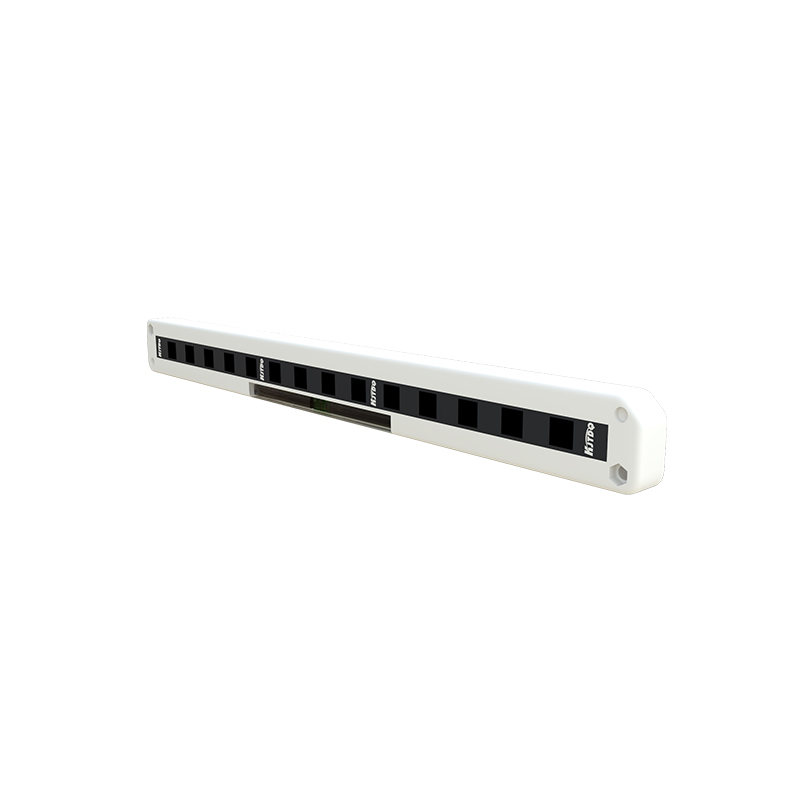
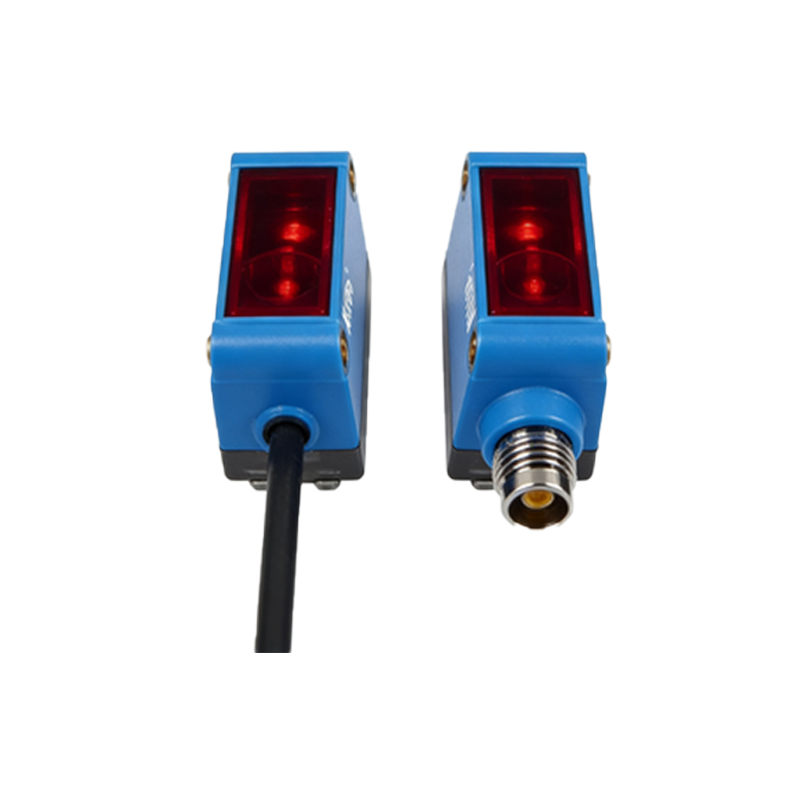
In the automotive industry, photoelectric sensors are deployed for robotic guidance, part verification, and quality control on assembly lines. For example, through-beam sensors detect the presence of components like engines or transmissions during automated handling, while retro-reflective sensors monitor conveyor belt alignment in paint shops. Their ability to operate reliably under exposure to oil, dust, and vibration reduces downtime and improves throughput. Major OEMs like Toyota and BMW have standardized on photoelectric sensors for weld seam inspection and tire positioning.
Role in Packaging and Material Handling
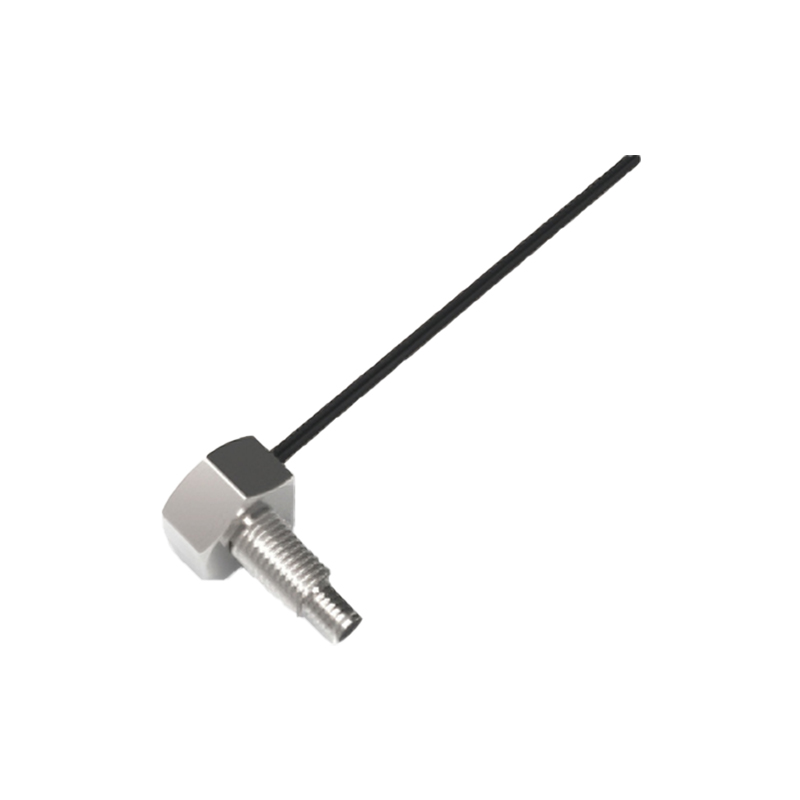
The packaging sector heavily relies on photoelectric sensors for labeling, counting, and sealing processes. Diffuse sensors with background suppression ensure accurate detection of transparent or glossy packages, while fiber optic units handle extreme temperatures in heat-shrink tunnels. In warehouses, photoelectric sensors enable Automated Guided Vehicles (AGVs) to navigate by detecting floor markers or pallet edges. E-commerce giants like Amazon integrate these sensors in sorting systems to achieve over 99.8% accuracy in parcel routing.
Emerging Opportunities in Food and Beverage Processing
Food and beverage lines demand hygienic, washdown-resistant sensors made of stainless steel (e.g., IP69K-rated models). Photoelectric sensors monitor fill levels in bottles, detect cap presence, and inspect seal integrity at high speeds. The trend toward flexible packaging requires sensors with adjustable sensitivity to handle varying colors and textures. For instance, TE Connectivity's photoelectric sensors are used in dairy plants to detect milk carton blanks and prevent splashes.
Innovations in Healthcare and Pharmaceuticals
In pharmaceutical production, photoelectric sensors ensure compliance with strict regulations by verifying blister pack sealing, vial labeling, and syringe plunger positioning. Miniaturized sensors with fiber optics fit into tight spaces in automated pill counters, while high-speed models detect pinholes in sterile packaging. The COVID-19 pandemic accelerated demand for sensors in vaccine vial inspection, where laser-based through-beam sensors detect glass defects at rates exceeding 600 units per minute.
Challenges and Future Trends
Despite growth, photoelectric sensors face challenges like interference from ambient light or reflective surfaces. Newer models incorporate IO-Link communication for real-time diagnostics and predictive maintenance. The shift to Industry 5.0 emphasizes collaborative robots (cobots) using photoelectric sensors for safe human-machine interaction. Additionally, edge computing enables sensor data to be processed locally for faster decisions. The integration of LiDAR and 3D time-of-flight principles is expanding applications in autonomous mobile robots and advanced logistics.