1. Understanding the Core Failure Mechanisms
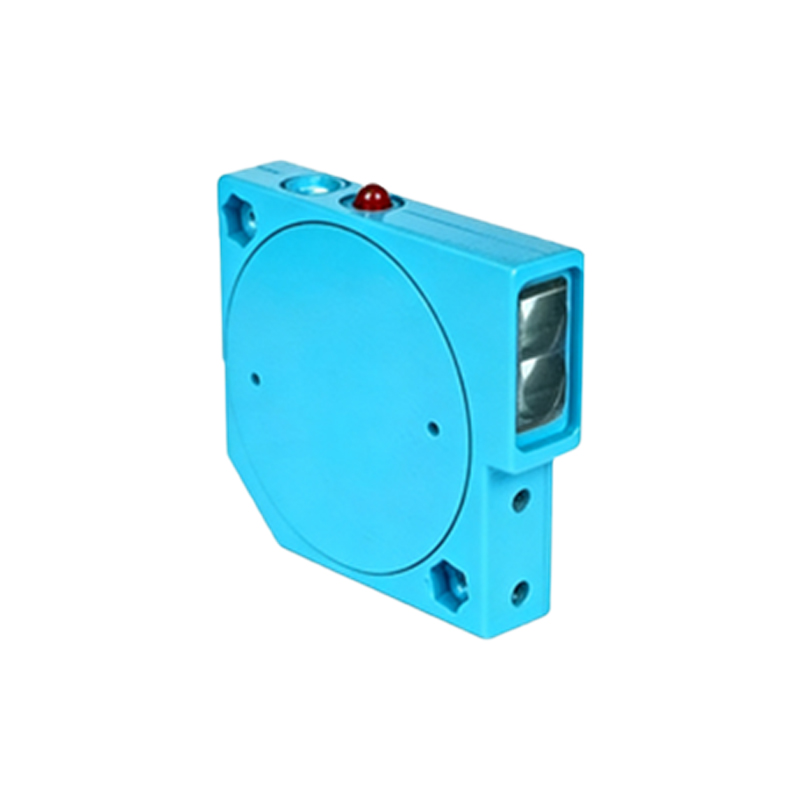
Photoelectric sensors in door lock systems are critical for detecting position, presence, and closure status. The most prevalent failure modes include signal loss, false triggering, and complete non-response. These faults often originate from contamination, electrical noise, or physical misalignment. Engineers must systematically isolate the root cause by analyzing the sensor’s environment, power supply, and output logic. For example, dust accumulation on the emitter or receiver lens can attenuate the light beam, leading to intermittent lock failures. Similarly, voltage fluctuations from aging power supplies can cause erratic sensor behavior.
3. Environmental Contamination and Its Detection
Industrial and residential environments expose sensors to dust, oil mist, and humidity. When the optical path is obstructed, the sensor’s internal comparator may interpret the dim signal as a target present or absent, depending on the logic configuration. Engineers should inspect the lens with a clean, lint-free cloth and confirm that the sensor housing is properly sealed. In high-moisture areas, condensation on the lens can simulate a continuous detection state, preventing the lock from engaging. Using IP67-rated sensors and installing them away from direct airflow can mitigate this issue.
4. Electrical Noise and Signal Integrity Challenges
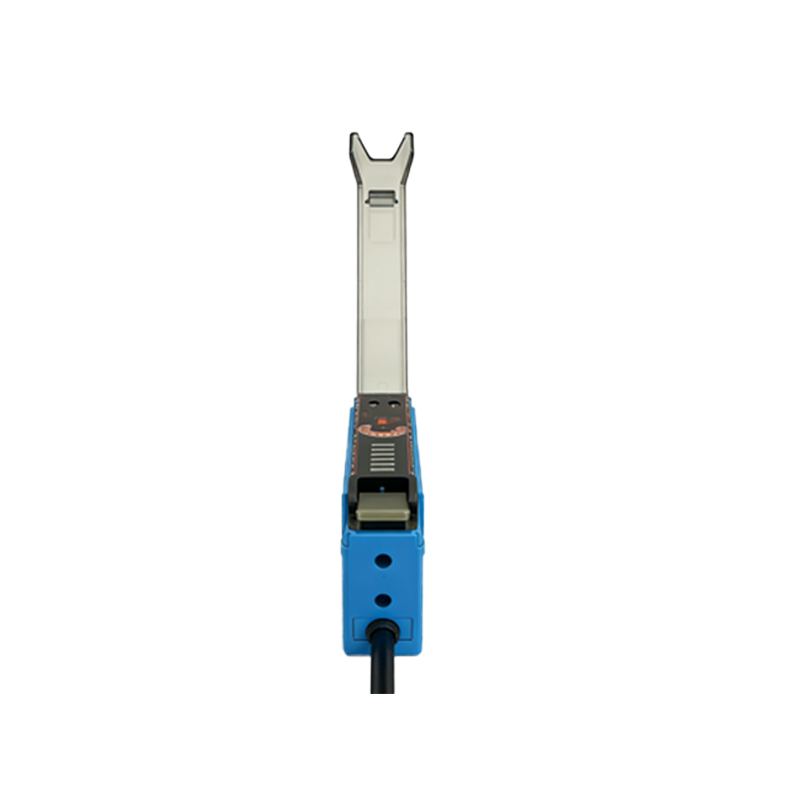
Photoelectric sensors are susceptible to electromagnetic interference (EMI) from nearby motors, relays, or variable frequency drives. Common symptoms include random lock cycles or false alarms. To diagnose, use an oscilloscope to monitor the sensor’s output line for spikes or glitches. Shielded cables and ferrite beads are effective countermeasures. Additionally, ensure that the sensor’s supply voltage remains within the specified tolerance (e.g., 10-30 VDC). A drop below the threshold can cause the sensor to reset, mimicking a detection event.
5. Misalignment and Mechanical Wear
Over time, door frames may sag or hinges loosen, causing the sensor’s emitter and receiver to lose optical alignment. This is particularly common in heavy security doors. Check the mounting bracket for deformation and use a laser alignment tool to verify the beam path. Even a 2-degree angular deviation can reduce the effective sensing range by 30%. If the sensor uses a retro-reflective mode, ensure the reflector is clean and perpendicular to the beam. Mechanical play in the door’s latch mechanism can also induce vibration, leading to intermittent beam interruption.
6. Circuit-Level Failures: Component Degradation
Internal component failure is a less common but significant cause. The phototransistor or photodiode may degrade due to thermal stress or age, resulting in reduced sensitivity. Test the sensor’s response using a calibrated target at a known distance. If the switching distance shrinks by more than 15% from the datasheet specification, consider replacing the sensor. Also, examine the sensor’s output transistor for short-circuit or open-circuit conditions using a multimeter. A stuck-high output can keep the door unlocked, while a stuck-low output can prevent unlocking.
7. Systematic Troubleshooting Protocol
To efficiently resolve a photoelectric sensor fault, follow this iterative approach: (1) Verify power supply stability with a logging multimeter over 24 hours. (2) Clean the optical surfaces and check for physical obstructions. (3) Use a test card to simulate the target and observe the output state. (4) Monitor the sensor’s output with a PLC or logic analyzer during door operation. (5) Compare the sensor’s performance with a known-good unit in a controlled bench test. By isolating the variable, engineers can avoid replacing non-defective components and reduce downtime.
8. Preventive Maintenance for Long-Term Reliability
Incorporate regular calibration checks and environmental sealing inspections into the maintenance schedule. For high-usage door locks, consider using sensors with a self-diagnostic function that reports lens contamination or internal faults. Implementing a redundant sensor pair with a voting logic can also enhance system reliability. Document every failure event with timestamps, environmental conditions, and corrective actions to build a failure-mode history. This data-driven approach enables predictive maintenance, reducing unexpected lock failures by up to 40%.