In industrial automation, manufacturing, and outdoor applications, proximity sensors play a critical role in detecting the presence or absence of objects without physical contact. However, traditional sensors often face significant challenges when operating in environments filled with dust, metal shavings, wood chips, or other particulate debris. These contaminants can accumulate on sensor faces, leading to false triggers, reduced sensing ranges, and ultimately, premature sensor failure. This is where debris-resistant proximity sensors become indispensable, offering robust solutions for maintaining operational continuity and accuracy.
The core principle behind debris resistance lies in both physical design and advanced sensing technology. Physically, these sensors often feature smooth, flat front faces with minimal grooves or edges where debris could lodge. Many models incorporate protective barriers, such as resilient coatings or specialized diaphragms, that shield the active sensing element. Some designs even include built-in air purge ports, allowing compressed air to periodically clear the sensor's surface without manual intervention. This physical fortification is the first line of defense.
Technologically, debris-resistant sensors leverage powerful sensing methods less susceptible to interference. Inductive proximity sensors, for instance, are inherently resistant to non-metallic debris like dust or plastic chips because they detect only metallic objects. For environments with metallic debris, specialized models use high-frequency oscillation or advanced algorithms to distinguish between target objects and stray metallic particles. Similarly, capacitive sensors can be tuned to ignore build-up of certain materials on their surface, focusing detection on the intended target. Photoelectric sensors, which can be vulnerable to opaque debris blocking their light beam, now often come with contamination indicators. These smart features alert operators when lens contamination reaches a level that might affect performance, enabling proactive maintenance before a failure occurs.
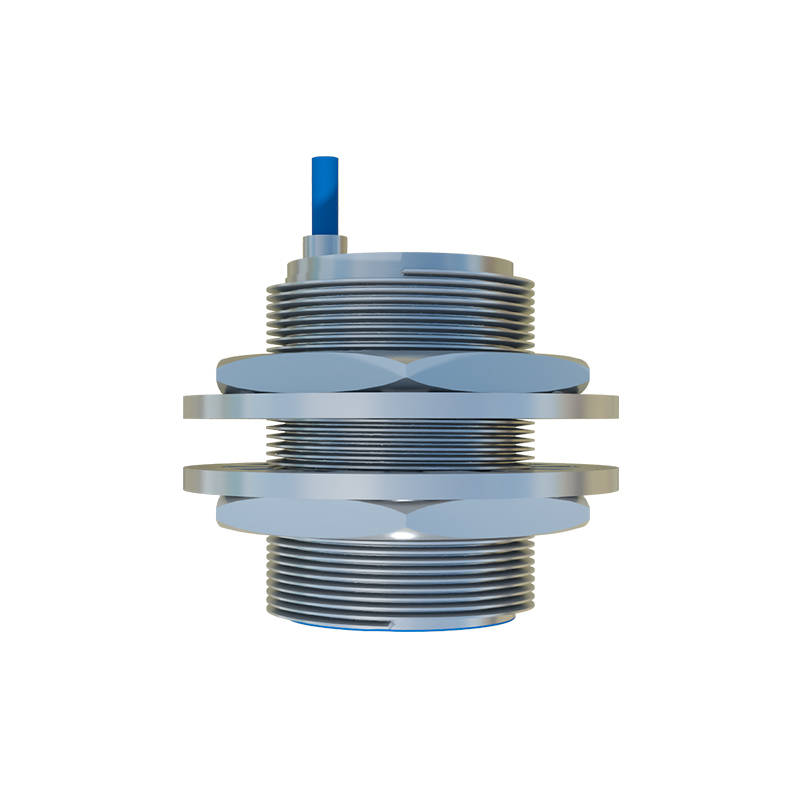
The benefits of deploying debris-resistant proximity sensors are substantial across various sectors. In woodworking and milling, sawdust is a constant byproduct. Sensors used for tool positioning or material handling in these settings must ignore the pervasive dust cloud. In metal fabrication and machining, coolant fluids mixed with metal shavings create a slurry that can easily coat standard sensors. Debris-resistant models ensure reliable detection of parts on conveyors or within CNC machines. Agricultural and construction equipment, operating in the dirtiest conditions, rely on these sensors for functions like boom positioning, implement control, and safety interlocks. Their reliability directly impacts equipment uptime and safety.
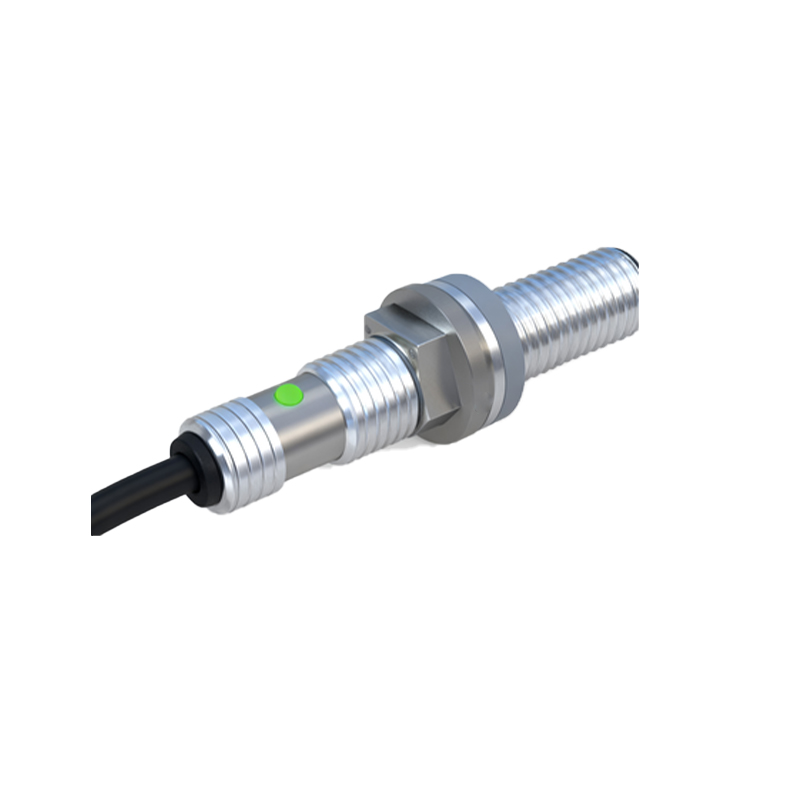
Selecting the right debris-resistant sensor requires a careful analysis of the application. Key considerations include the type of debris (conductive, non-conductive, oily, dry), the required sensing range, the response time, and the sensor's housing material and ingress protection (IP) rating. An IP67 or IP69K rating, for example, indicates high resistance to dust and water ingress, which often correlates with debris resistance. It is also crucial to consider the electrical output type (PNP/NPN, analog, IO-Link) to ensure compatibility with the existing control system. Consulting with sensor specialists during the selection process can prevent costly mismatches.
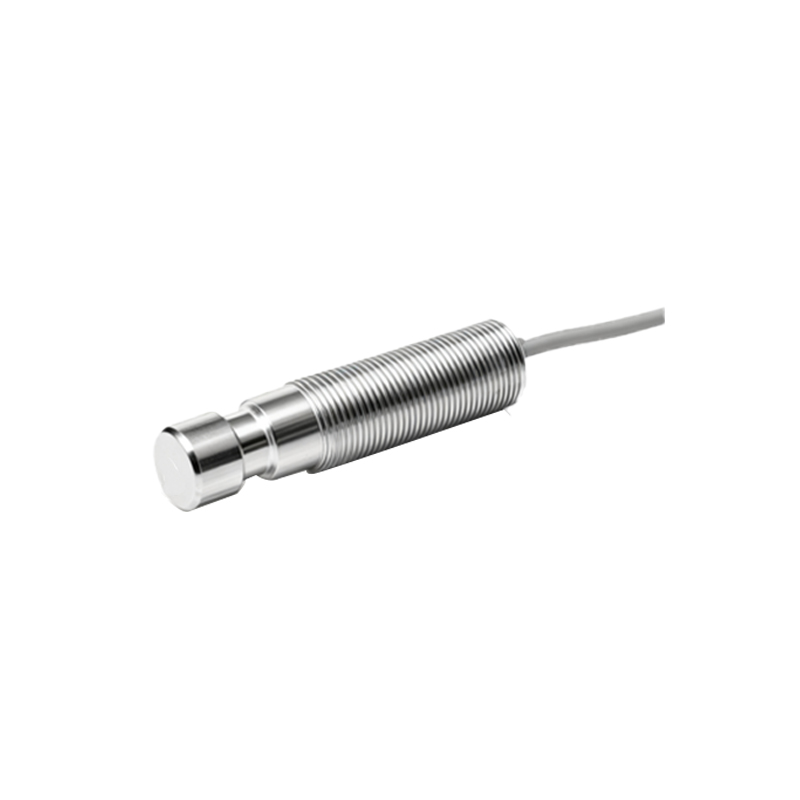
Maintenance, while significantly reduced, is not eliminated. Even the most robust sensors benefit from periodic checks. A simple visual inspection of the sensor face as part of a routine maintenance schedule can identify unusual buildup. For sensors with diagnostic capabilities, integrating their status signals into the plant's supervisory system allows for predictive maintenance, scheduling cleans or replacements during planned downtime rather than in reaction to a production halt.
In conclusion, as industries push for greater efficiency and automation in increasingly challenging environments, the demand for reliable sensing grows. Debris-resistant proximity sensors are not merely an optional upgrade but a fundamental component for ensuring system resilience. By intelligently combining hardened physical designs with sophisticated electronic filtering and diagnostics, these sensors provide the durability needed to keep processes running smoothly, reduce maintenance costs, and prevent unexpected downtime, delivering a clear return on investment in the most demanding operational landscapes.