In the intricate dance of modern machinery and smart devices, there exists a silent, often overlooked performer: the small proximity sensor. These diminutive components, typically no larger than a fingernail, are fundamental to the seamless, intuitive interactions we have come to expect from our electronics. They operate on a simple yet profound principle: detecting the presence or absence of an object within a specified range without any physical contact.
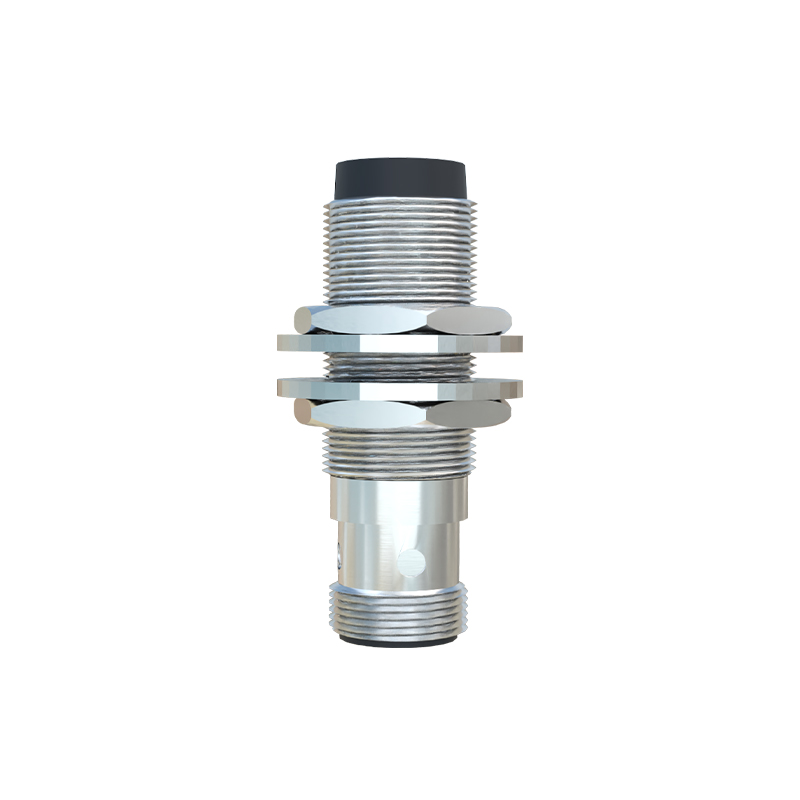
The core technology behind these sensors varies, each suited to specific applications and environments. Inductive proximity sensors are the workhorses of industrial automation. They generate an electromagnetic field and react to the eddy currents induced in metallic targets. This makes them ideal for counting metal parts on a conveyor belt, confirming the position of a robotic arm, or ensuring a machine door is securely closed in a factory setting. Their robustness allows them to function reliably amidst dust, oil, and vibration.
For detecting non-metallic objects—be it a human hand, a plastic bottle, or a cardboard box—capacitive proximity sensors take the lead. They function by sensing changes in capacitance, which occurs when any object disturbs the electrostatic field they emit. This versatility finds them in applications ranging from liquid level sensing in tanks to touch-sensitive interfaces on appliances, and even in smartphones to disable the touchscreen when held to the ear during a call.
Another prevalent type is the photoelectric sensor, which uses a light beam, often infrared, to detect objects. The small, self-contained versions are ubiquitous. They can be found in public restrooms, automatically turning faucets on and off, in paper tray detection mechanisms in printers, and as safety curtains on automated garage doors. Their ability to sense over longer distances and detect virtually any material gives them a broad utility.
Perhaps the most advanced and widely recognized in consumer electronics is the infrared (IR) proximity sensor. Paired with an IR LED, it measures the intensity of reflected infrared light. This is the technology that allows your smartphone screen to turn off during a call, conserving battery and preventing accidental cheek-dialing. It’s also critical in modern automotive systems for features like automatic trunk opening with a foot gesture or driver monitoring systems that alert for drowsiness.
The march of innovation continues to make these sensors smaller, smarter, and more integrated. Modern small proximity sensors are incorporating digital interfaces like I2C (Inter-Integrated Circuit) for direct communication with microcontrollers, providing not just a simple on/off signal but detailed distance data. This enables more nuanced control, such as adjusting the volume on a speaker by waving a hand at a specific distance. Furthermore, advancements in packaging and materials are pushing their performance limits, allowing them to operate in extreme temperatures or highly corrosive environments.
The applications are as diverse as the sensors themselves. In consumer electronics, they enable features like automatic screen brightness adjustment and "wake-on-approach" for laptops. In the automotive sector, they are integral to parking assistance systems, blind-spot monitoring, and collision avoidance. In smart homes, they trigger lights, control faucets, and enhance security systems. In industrial settings, they are indispensable for precision positioning, object counting, and ensuring worker safety by creating non-contact safety zones around hazardous machinery.
The true genius of the small proximity sensor lies in its invisibility. It performs its duty quietly in the background, creating a layer of intelligence and responsiveness that feels magical to the end-user. They bridge the gap between the physical and digital worlds, translating simple presence into actionable data. As the Internet of Things (IoT) expands and the demand for more intuitive human-machine interfaces grows, the role of these tiny guardians will only become more central. They are not merely components; they are the essential enablers of automation, efficiency, and seamless interaction in our increasingly connected world. Their small size belies their monumental impact on how we live, work, and interact with technology every single day.