Introduction to Reflective Photoelectric Sensors
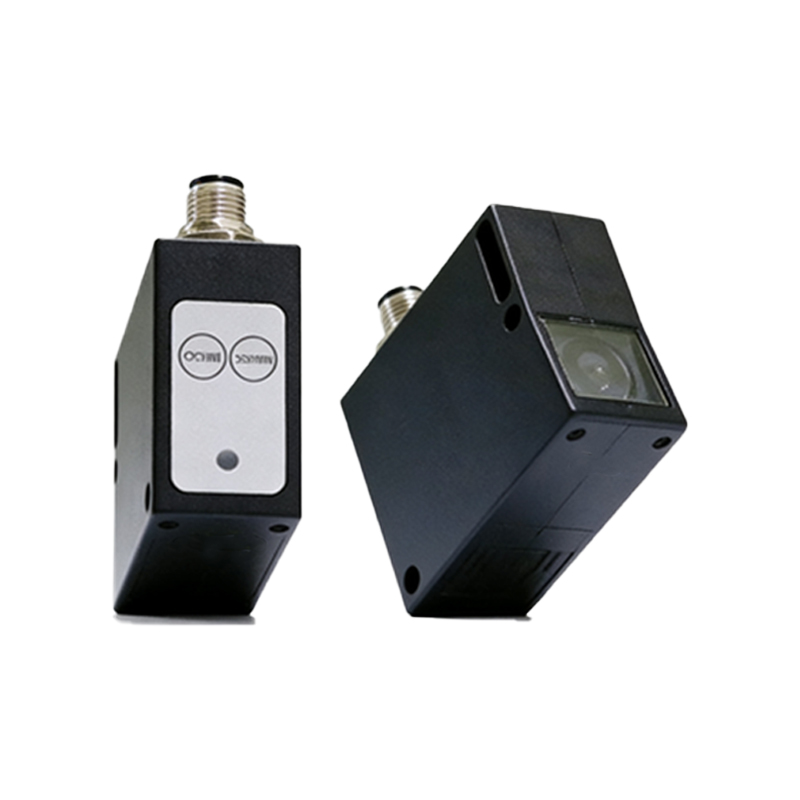
Reflective photoelectric sensors are essential components in modern industrial automation systems. They operate by emitting a beam of light, typically infrared or visible, toward a target object and detecting the reflected light to determine the object's presence, absence, or position. Unlike through-beam sensors that require separate emitter and receiver units, reflective sensors integrate both functions into a single housing, simplifying installation and reducing wiring complexity. These sensors are widely used in manufacturing lines, packaging systems, and material handling due to their reliability and cost-effectiveness.
Working Principle of Reflective Photoelectric Sensors
The core operation of a reflective photoelectric sensor relies on the principle of light reflection. The sensor contains a light source, such as an LED or laser diode, and a photodetector, like a phototransistor or photodiode. When an object enters the sensor’s detection field, it reflects the emitted light back to the photodetector. The sensor then processes the received signal, comparing it to a threshold level to trigger an output, such as a relay or transistor switch. The effective detection range depends on factors like object surface reflectivity, ambient light conditions, and sensor sensitivity. For precise applications, sensors often incorporate modulation techniques to filter out external light interference.
Key Types and Configurations
There are two primary types of reflective photoelectric sensors: diffuse reflective and retro-reflective. Diffuse reflective sensors use the target object itself as the reflector, making them suitable for detecting irregular surfaces but limited in range due to scattered light loss. Retro-reflective sensors use a reflector, such as a prismatic tape, placed opposite the sensor, and the object blocks the reflected beam when present. This configuration offers longer detection distances and higher reliability for transparent or shiny objects. Additionally, some models include background suppression technology to ignore distant objects and focus on a specific detection zone.
Common Applications in Industry
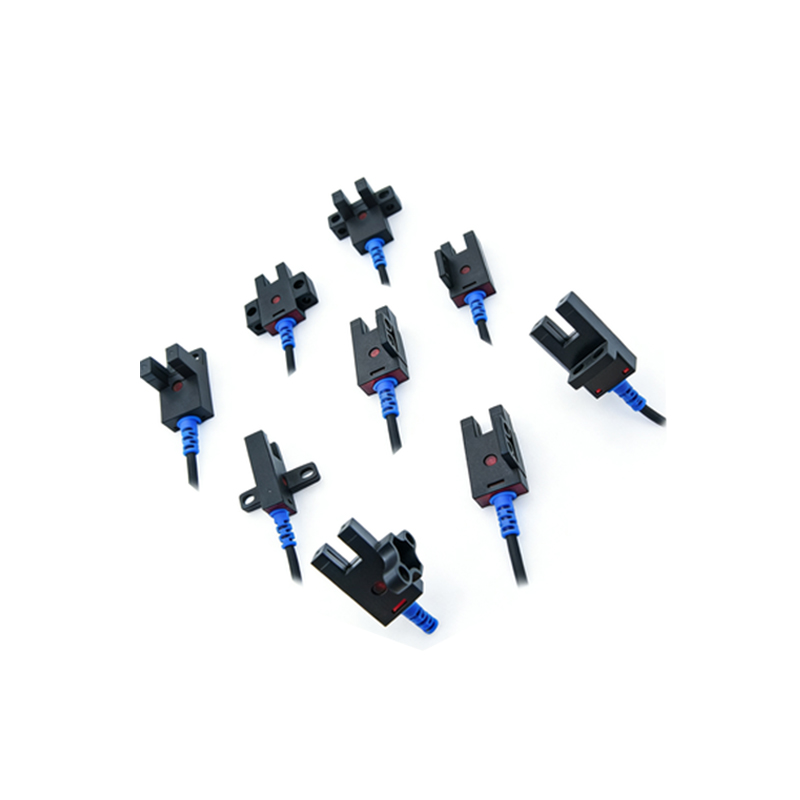
Reflective photoelectric sensors excel in numerous industrial scenarios. In conveyor systems, they detect product jams or count items passing through. In packaging machines, they verify label alignment or seal integrity. For robotic arms, they provide precise end-effector positioning. In automotive assembly, they monitor component presence in fixtures. Their ability to operate in dusty, wet, or vibrating environments, combined with fast response times, makes them ideal for high-speed production lines. For example, in beverage bottling plants, these sensors ensure caps are correctly placed by reflecting off the cap’s shiny surface.
Installation and Calibration Considerations
Proper installation is crucial for optimal performance. Mount the sensor at the recommended distance from the target, considering the beam angle and object reflectivity. Avoid direct exposure to intense ambient light, such as sunlight or welding arcs, which can cause false triggers. Calibration often involves adjusting the sensitivity potentiometer or using a teach-in function. For retro-reflective sensors, ensure the reflector is clean and aligned perpendicular to the beam. In applications with varying object colors or materials, select sensors with automatic gain control to maintain consistent detection.
Advantages and Limitations
The main advantages of reflective photoelectric sensors include simple installation, no need for a separate receiver, and reduced maintenance. They are cost-effective for short- to medium-range detection tasks. However, limitations exist: they struggle with highly reflective backgrounds or transparent objects, and their range is typically shorter than through-beam sensors. In environments with heavy contamination, such as sawdust or oil mist, performance may degrade. Engineers must evaluate these factors when selecting sensors for specific applications.
Future Trends and Innovations
Advancements in sensor technology are expanding the capabilities of reflective photoelectric sensors. Integration with IoT enables real-time data logging and remote diagnostics. Smart sensors now offer digital outputs, such as IO-Link, for seamless communication with PLCs. Laser-based reflective sensors provide ultra-precise detection for microelectronics manufacturing. Additionally, enhanced algorithms for ambient light rejection and multi-sensor coordination are improving reliability in complex automation systems. As industry moves toward Industry 4.0, these sensors will play a key role in smart factories.
Conclusion
Reflective photoelectric sensors are versatile, reliable tools for object detection in industrial automation. By understanding their working principles, types, and application-specific requirements, engineers can optimize system efficiency and minimize downtime. Whether used in simple counting tasks or complex robotic guidance, these sensors continue to evolve, offering improved accuracy and connectivity for modern manufacturing environments.