Photoelectric sensors ensure reliable bottle detection, reducing waste and improving throughput. By selecting the right sensor type and optimizing installation, engineers can achieve 99.9% detection accuracy. Future trends include smart sensors with built-in AI for adaptive sensitivity, further enhancing automation in beverage manufacturing.
Introduction to Photoelectric Sensing in Beverage Bottling
In modern beverage manufacturing, precision and speed are critical. Photoelectric sensors, utilizing light-based detection, offer a non-contact solution for identifying bottles made of glass, plastic, or metal. These sensors operate by emitting a beam of light (infrared, visible red, or laser) and detecting changes in reflection or interruption caused by the bottle. This technology ensures reliable operation even at high line speeds, reducing downtime and product waste.
Key Sensor Types for Bottle Detection
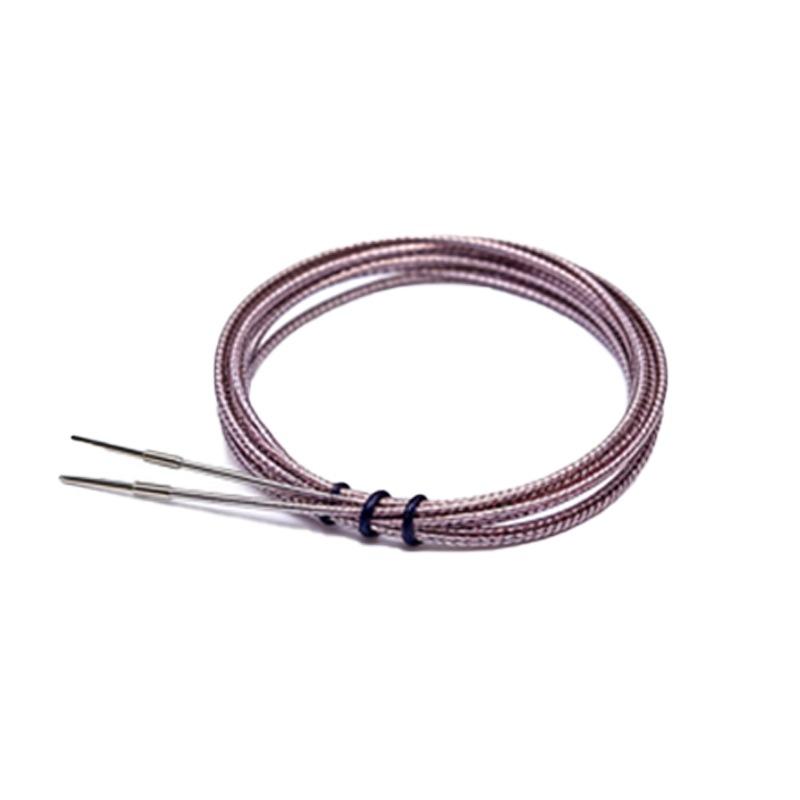
Three main photoelectric sensor types are employed: through-beam, retro-reflective, and diffuse reflective. Through-beam sensors provide the longest range and highest accuracy by using separate emitter and receiver units, ideal for detecting clear or transparent bottles. Retro-reflective sensors use a reflector to bounce the beam back, suitable for opaque or colored bottles. Diffuse reflective sensors detect objects by measuring reflected light from the bottle surface, effective for uneven shapes or labels. Selection depends on bottle material, color, and ambient lighting.
Detecting Clear and Transparent Bottles
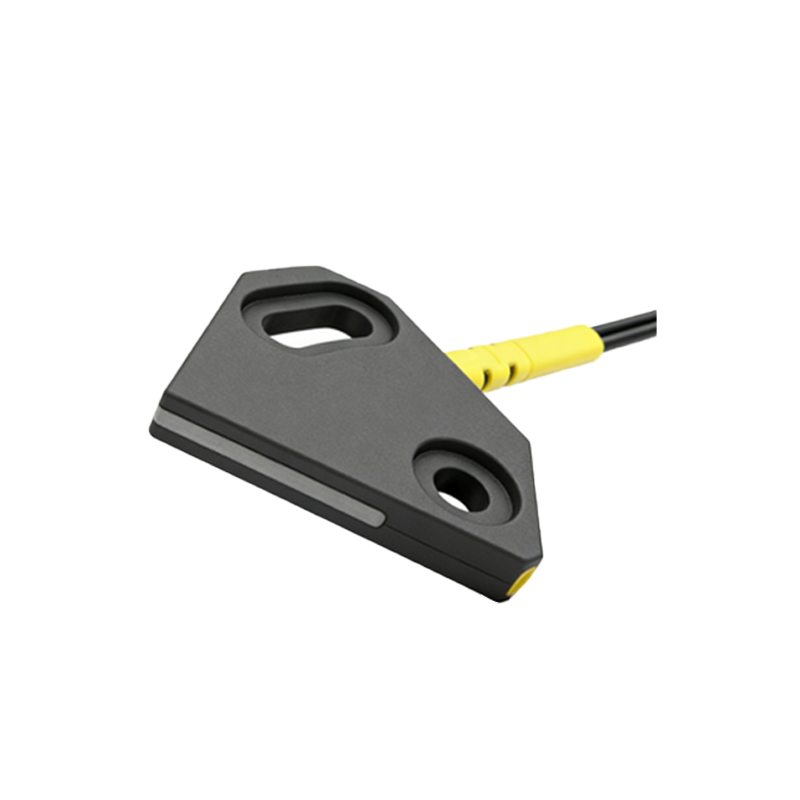
Clear PET or glass bottles pose a challenge because light passes through them. Specialized sensors with background suppression or polarized filters are used. These sensors differentiate between the bottle and background by analyzing light intensity or polarization. For example, a laser-based sensor can detect even thin-walled transparent bottles at distances up to 2 meters. Angle of incidence must be optimized—typically 10 to 20 degrees off perpendicular—to avoid false signals from reflections.
Handling High-Speed Production Lines
In lines exceeding 600 bottles per minute, sensor response time becomes crucial. Modern photoelectric sensors have switching frequencies above 1 kHz, ensuring no missed detections. Adjustment of sensitivity and hysteresis prevents chatter caused by bottle vibrations. Mounting sensors on flexible brackets allows fine-tuning of position. Additionally, self-diagnostic features alert maintenance teams to lens contamination or misalignment, common issues in wet or dusty bottling environments.
Integration with PLC and Sorting Systems
Photoelectric sensors output digital signals (PNP or NPN) directly to programmable logic controllers (PLCs). For sorting applications, multiple sensors are arranged along the conveyor to detect bottle presence, fill level, or cap absence. Synchronization with encoder signals enables precise rejection of defective bottles. Use of IO-Link communication allows remote parameter adjustment and real-time monitoring, improving overall equipment effectiveness (OEE).
Environmental Considerations and Maintenance
Bottling plants often involve washdown procedures, high humidity, and temperature variations. Sensors with IP67 or IP69K ratings resist water ingress and chemical cleaning agents. Protective housings or air blast systems prevent liquid residue on lenses. Regular calibration checks every 1,000 operating hours ensure consistent performance. In dusty environments, retro-reflective sensors with large beam angles are less prone to blockage than through-beam types.
Common Troubleshooting and Solutions
False detections can occur due to reflective conveyor belts or nearby machinery. Adjusting the sensor’s gain or using a narrow beam width minimizes this. If bottles are misaligned, multi-beam arrays or light curtains provide reliable detection across a wider area. For highly reflective aluminum cans, sensors with polarizing filters effectively eliminate glare. Documentation of sensor placement and settings reduces setup time during line changeovers.