Laser grid photoelectric sensors represent a cutting-edge technology in the field of industrial automation. Unlike traditional single-beam sensors, these devices emit a grid of laser beams to detect objects, positions, and dimensions with extreme precision. As an electrical engineer, I have observed their growing adoption in applications like quality control, safety monitoring, and robotics. Their ability to operate in harsh environments while maintaining high accuracy makes them indispensable in modern manufacturing.
Working Principle and Key Components
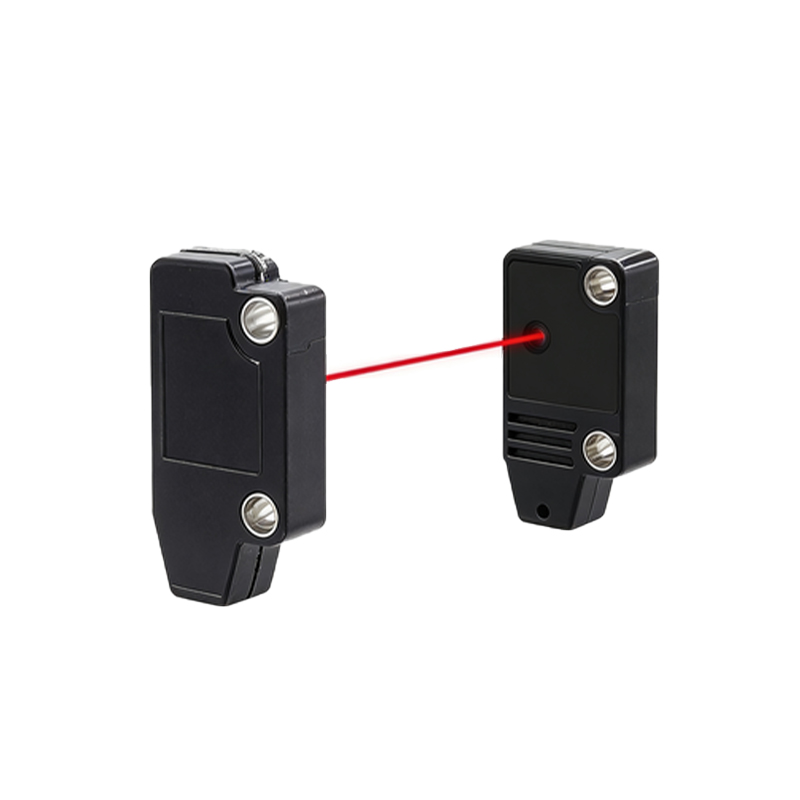
The core of a laser grid sensor involves an emitter and a receiver. The emitter projects a series of parallel laser beams across a defined area, forming a grid pattern. When an object interrupts these beams, the receiver detects the gaps and calculates the object’s size, shape, or position. Key components include laser diodes, photodetectors, and microcontroller units for real-time signal processing. This design ensures fast response times—often in microseconds—and tolerance to ambient light interference.
Advantages Over Traditional Sensors
Compared to standard photoelectric or inductive sensors, laser grid sensors offer superior resolution and range. They can detect objects as small as 0.1 mm and operate over distances up to 10 meters. Additionally, the grid configuration eliminates blind spots, providing full coverage of the detection area. This reduces false triggers and enhances system reliability. In my experience, these sensors also require less calibration, saving time during installation and maintenance.
Applications in Manufacturing and Safety
In assembly lines, laser grid sensors are used for part presence detection, sorting, and dimensional inspection. For example, in automotive plants, they verify the correct placement of components like bolts or brackets. In safety systems, they create protective zones around machinery, instantly halting operations if an operator enters a hazardous area. This dual functionality—process control and safety—makes them a cost-effective solution for industries like electronics, packaging, and logistics.
Integration with Industry 4.0
Modern laser grid sensors are compatible with IoT platforms, enabling data logging and remote monitoring. Through protocols like IO-Link, they transmit real-time metrics such as beam interruption counts and error logs. This data can be fed into predictive maintenance algorithms, reducing downtime. I have integrated these sensors into smart factory setups, where they communicate with PLCs and SCADA systems for seamless automation.
Installation and Calibration Best Practices
To maximize performance, install the emitter and receiver on stable mounts, ensuring they are parallel and aligned within 1 degree. Clean the lens surfaces regularly to prevent dust accumulation. For calibration, use a known reference object to verify beam accuracy. In one project, I adjusted the sensitivity threshold to ignore small debris, reducing noise without compromising detection capabilities. Always refer to the manufacturer’s guidelines for specific voltage and wiring requirements.
Future Trends and Challenges
Emerging developments include multi-wavelength lasers for improved contrast detection and machine learning algorithms for adaptive sensing. However, challenges like cost and complex integration persist. As electrical engineers, we must balance performance with budget constraints. I foresee these sensors becoming more compact and affordable, driving their adoption in smaller-scale industries.
Introduction to Laser Grid Photoelectric Sensors
Laser grid photoelectric sensors represent a cutting-edge technology in the field of industrial automation. Unlike traditional single-beam sensors, these devices emit a grid of laser beams to detect objects, positions, and dimensions with extreme precision. As an electrical engineer, I have observed their growing adoption in applications like quality control, safety monitoring, and robotics. Their ability to operate in harsh environments while maintaining high accuracy makes them indispensable in modern manufacturing.
Working Principle and Key Components
The core of a laser grid sensor involves an emitter and a receiver. The emitter projects a series of parallel laser beams across a defined area, forming a grid pattern. When an object interrupts these beams, the receiver detects the gaps and calculates the object’s size, shape, or position. Key components include laser diodes, photodetectors, and microcontroller units for real-time signal processing. This design ensures fast response times—often in microseconds—and tolerance to ambient light interference.
Advantages Over Traditional Sensors
Compared to standard photoelectric or inductive sensors, laser grid sensors offer superior resolution and range. They can detect objects as small as 0.1 mm and operate over distances up to 10 meters. Additionally, the grid configuration eliminates blind spots, providing full coverage of the detection area. This reduces false triggers and enhances system reliability. In my experience, these sensors also require less calibration, saving time during installation and maintenance.
Applications in Manufacturing and Safety
In assembly lines, laser grid sensors are used for part presence detection, sorting, and dimensional inspection. For example, in automotive plants, they verify the correct placement of components like bolts or brackets. In safety systems, they create protective zones around machinery, instantly halting operations if an operator enters a hazardous area. This dual functionality—process control and safety—makes them a cost-effective solution for industries like electronics, packaging, and logistics.
Integration with Industry 4.0
Modern laser grid sensors are compatible with IoT platforms, enabling data logging and remote monitoring. Through protocols like IO-Link, they transmit real-time metrics such as beam interruption counts and error logs. This data can be fed into predictive maintenance algorithms, reducing downtime. I have integrated these sensors into smart factory setups, where they communicate with PLCs and SCADA systems for seamless automation.
Installation and Calibration Best Practices
To maximize performance, install the emitter and receiver on stable mounts, ensuring they are parallel and aligned within 1 degree. Clean the lens surfaces regularly to prevent dust accumulation. For calibration, use a known reference object to verify beam accuracy. In one project, I adjusted the sensitivity threshold to ignore small debris, reducing noise without compromising detection capabilities. Always refer to the manufacturer’s guidelines for specific voltage and wiring requirements.
Future Trends and Challenges
Emerging developments include multi-wavelength lasers for improved contrast detection and machine learning algorithms for adaptive sensing. However, challenges like cost and complex integration persist. As electrical engineers, we must balance performance with budget constraints. I foresee these sensors becoming more compact and affordable, driving their adoption in smaller-scale industries.