Introduction to Micro Photoelectric Sensors
Micro photoelectric sensors are compact, high-precision devices used to detect the presence, absence, or position of objects without physical contact. In modern industrial automation, these sensors play a critical role in improving efficiency, reliability, and safety. Their small footprint allows integration into tight spaces, making them ideal for applications in robotics, packaging, and conveyor systems.
Key Working Principles
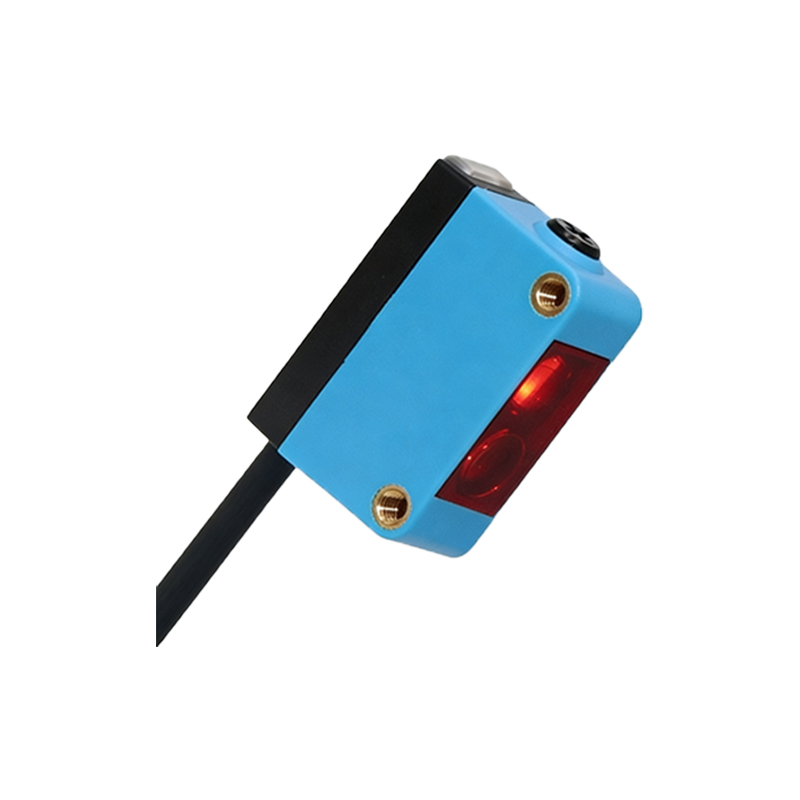
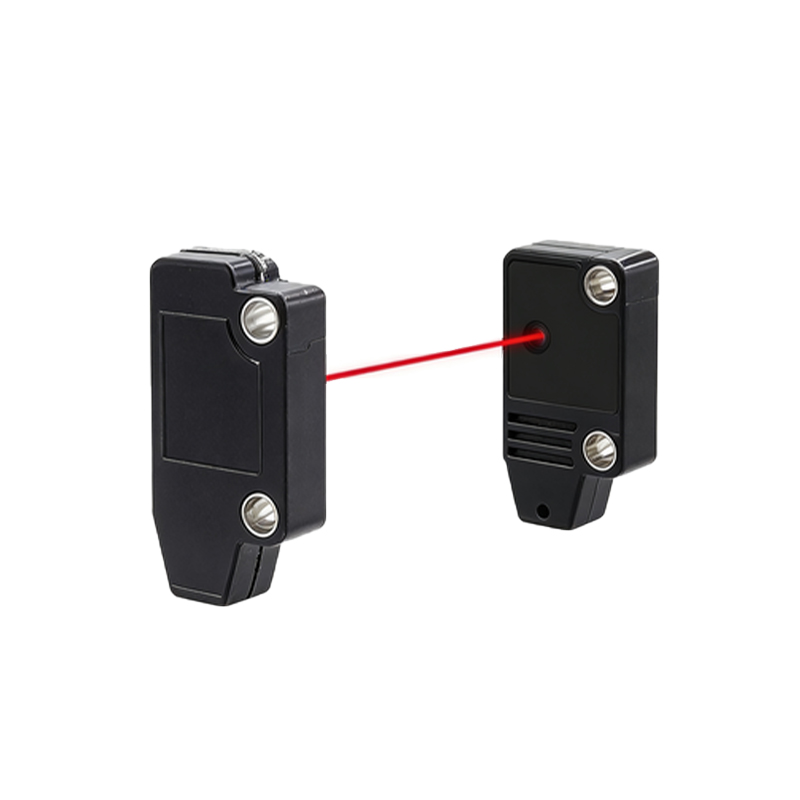
Micro photoelectric sensors operate by emitting a light beam—typically infrared, visible red, or laser—from a transmitter to a receiver. When an object interrupts or reflects the light beam, the sensor triggers an electrical signal. Three common modes exist: through-beam (separate transmitter and receiver), retro-reflective (light reflected back from a reflector), and diffuse (light reflected directly off the target). Each mode offers distinct advantages for specific industrial environments.
Advantages in Industrial Automation
These sensors provide several benefits over traditional mechanical switches. They offer contactless detection, reducing wear and tear and extending service life. With fast response times (often under 1 millisecond), they enable high-speed sorting and counting. Additionally, they are immune to vibration and dust in many cases, ensuring consistent performance in harsh conditions. Their miniature size also lowers installation costs by requiring less mounting hardware.
Common Applications
In assembly lines, micro photoelectric sensors detect component presence for pick-and-place robots. In packaging, they monitor film tension or label positioning. For conveyor systems, they count products or verify alignment. Another critical use is in safety systems, such as light curtains for machine guarding, preventing accidents by detecting human intrusion.
Selection Criteria for Engineers
When choosing a micro photoelectric sensor, consider the sensing distance, target material, and ambient light conditions. For transparent objects, retro-reflective or through-beam modes are preferred. For reflective surfaces, diffuse sensors with background suppression work best. Also, evaluate the output type (PNP or NPN) and connectivity (cable or M8 connector) to match the PLC or controller. Environmental factors like temperature range and IP rating (e.g., IP67) are essential for wet or dusty areas.
Installation and Maintenance Tips
Proper alignment is crucial: ensure the light beam is unobstructed and the sensor is securely mounted. Use alignment tools or LED indicators for calibration. Regular cleaning of the lens with a soft cloth prevents false triggers. For retro-reflective models, keep the reflector clean and free of scratches. Test the sensor periodically with a known object to verify sensitivity.
Future Trends
The industry is moving toward IO-Link communication, enabling smart sensors to transmit diagnostic data and adjust settings remotely. Miniaturization continues, with some sensors now under 5 mm in diameter. Integration with IoT platforms allows predictive maintenance, reducing downtime. As automation demands grow, micro photoelectric sensors will become even more intelligent and versatile.