Introduction to Triode Photoelectric Sensors
Triode photoelectric sensors, also known as phototransistors, are semiconductor devices that convert light signals into electrical signals. They are widely used in industrial automation, robotics, and safety systems due to their high sensitivity and fast response time. Unlike standard photodiodes, these sensors amplify the signal internally, offering greater gain without the need for external amplifiers. This makes them ideal for applications requiring precise detection in challenging environments.
Working Principle of Triode Photoelectric Sensors
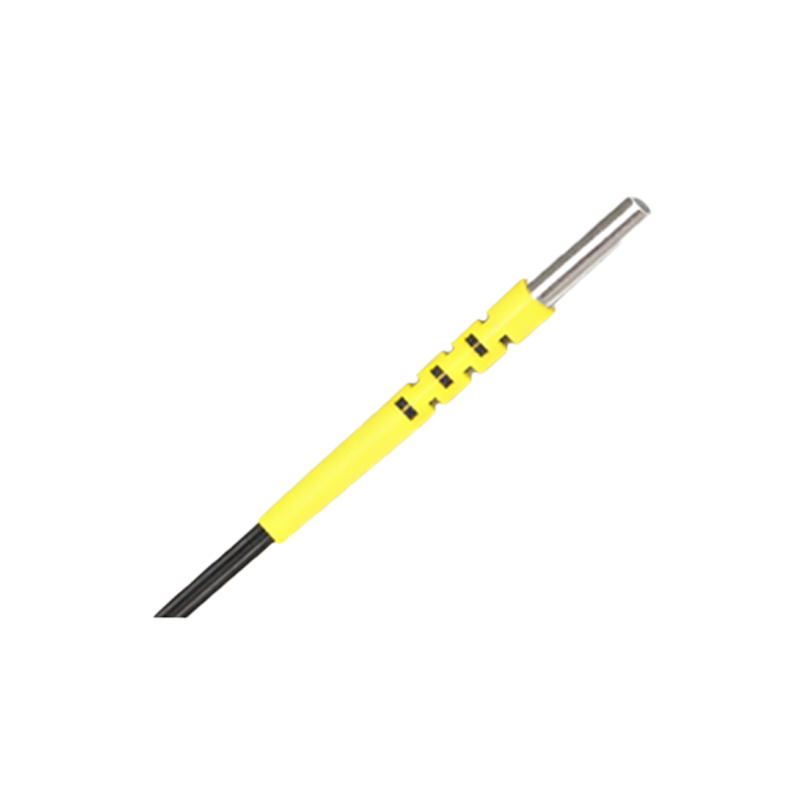
The core of a triode photoelectric sensor is a bipolar junction transistor that is sensitive to light. When photons strike the base region, they generate electron-hole pairs, which effectively inject a base current. This current is then amplified by the transistor’s gain factor (beta), resulting in a significantly larger collector current. The sensor operates in either active or switching mode, depending on the circuit design. In active mode, it provides a linear output proportional to light intensity, while in switching mode, it triggers a digital signal when light exceeds a threshold.
Key Characteristics and Specifications
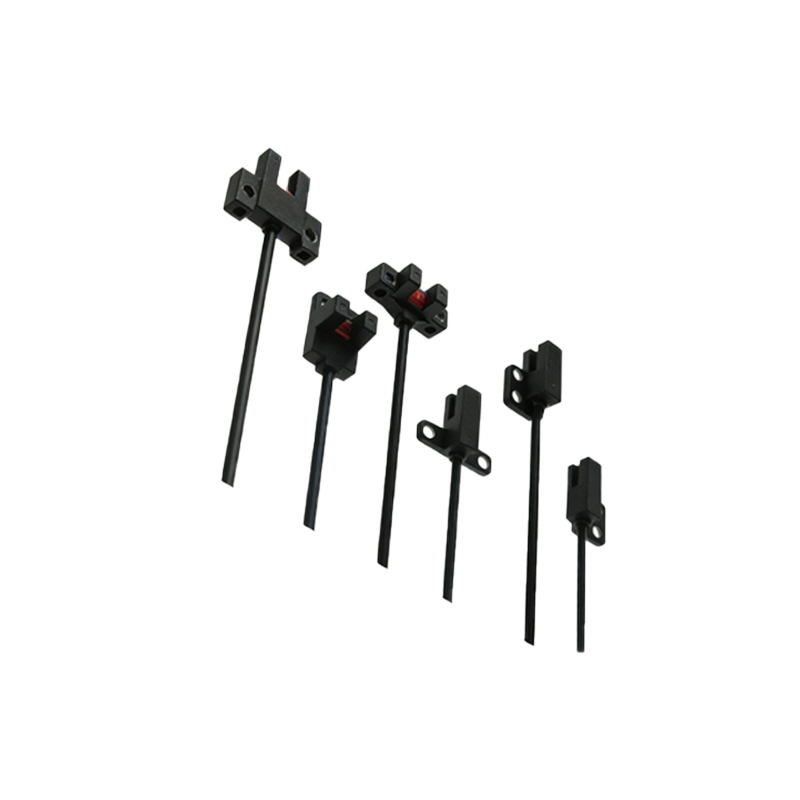
Industrial engineers must consider several parameters when selecting triode photoelectric sensors. The spectral response typically ranges from visible to near-infrared wavelengths (400 nm to 1100 nm), with peak sensitivity around 850 nm. Dark current, which flows in the absence of light, is a critical factor affecting sensitivity; lower dark current ensures better performance in low-light conditions. Response time is usually in the microsecond range, making these sensors suitable for high-speed applications. Additionally, the collector-emitter breakdown voltage often exceeds 30 V, allowing integration into standard 24 V industrial systems.
Common Configurations and Wiring
Triode photoelectric sensors are available in through-beam, retro-reflective, and diffuse sensing configurations. In through-beam setups, the emitter and receiver are separate, providing long detection ranges up to several meters. Retro-reflective sensors use a reflector, while diffuse sensors rely on the target’s reflectivity. Wiring typically involves three terminals: collector, emitter, and base (or an integrated base resistor). Engineers often use a pull-up resistor on the collector output to interface with PLCs or microcontrollers, ensuring a clean digital signal.
Advantages Over Other Sensor Types
Compared to photodiodes or photoresistors, triode photoelectric sensors offer higher gain and faster switching speeds. They are less affected by ambient light variations when properly shielded, and their compact size allows integration into tight spaces. Furthermore, they consume minimal power, making them suitable for battery-powered or energy-efficient systems. In dusty or oily environments, sealed packages can maintain reliability, reducing maintenance costs in factories.
Application Examples in Industry
Common uses include object detection on conveyor belts, edge sensing in printing machines, and liquid level monitoring in chemical plants. For instance, in a packaging line, a triode photoelectric sensor can detect the presence of a bottle and trigger a filler mechanism within microseconds. In robotics, they enable precise end-effector positioning by sensing reflective markers. Safety light curtains also employ arrays of these sensors to create invisible barriers that stop machinery when breached.
Design Considerations and Troubleshooting
When designing with triode photoelectric sensors, engineers should account for temperature drift, as gain and dark current vary with temperature. Shielding the sensor from direct sunlight or high-intensity artificial light prevents false triggers. Common issues include misalignment in through-beam systems or surface contamination on the lens. Cleaning with isopropyl alcohol and ensuring proper angular alignment typically resolves these problems. For optimal performance, use a regulated power supply to avoid voltage spikes that could damage the transistor.
Future Trends in Triode Sensor Technology
Emerging developments focus on integrating triode sensors with IoT capabilities, enabling real-time monitoring via wireless networks. Advances in semiconductor materials, such as silicon carbide, are extending the operating temperature range beyond 200°C. Additionally, miniaturization is allowing embedding into flexible circuits for wearable industrial tools. As automation demands grow, these sensors will continue to evolve, offering higher resolution and lower cost per unit.